

Who Gets Screened for Lung Cancer? Northwestern Medicine Researchers Say it’s Time to Rethink the Answer
Researchers at Northwestern Medicine work to create a universal age-based screening for lung cancer — similar to breast and colon cancer
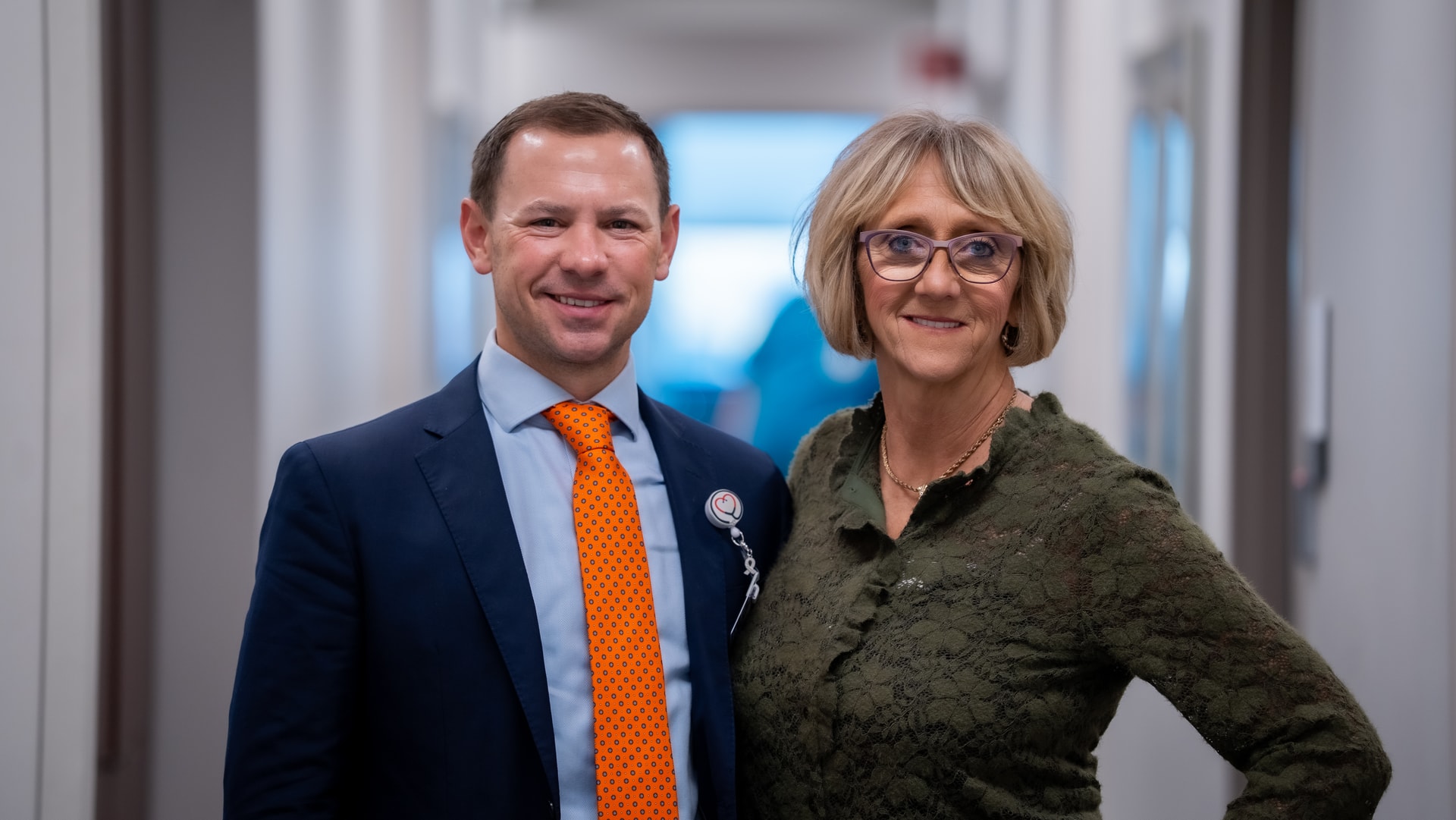
CHICAGO, Illinois – November 23, 2026 – Lung cancer is America’s deadliest cancer, but symptoms often do not appear until the disease has reached an advanced stage. Researchers at Northwestern Medicine are working to change that by studying the benefits of universal, age-based lung cancer screening similar to screening programs for breast and colorectal cancer.
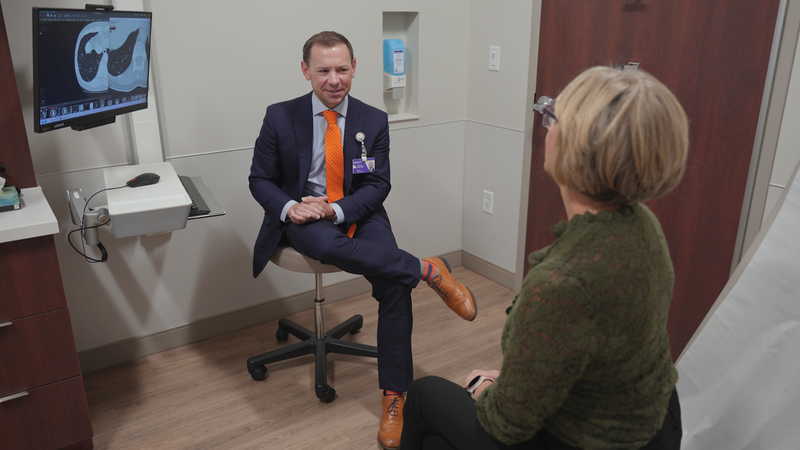
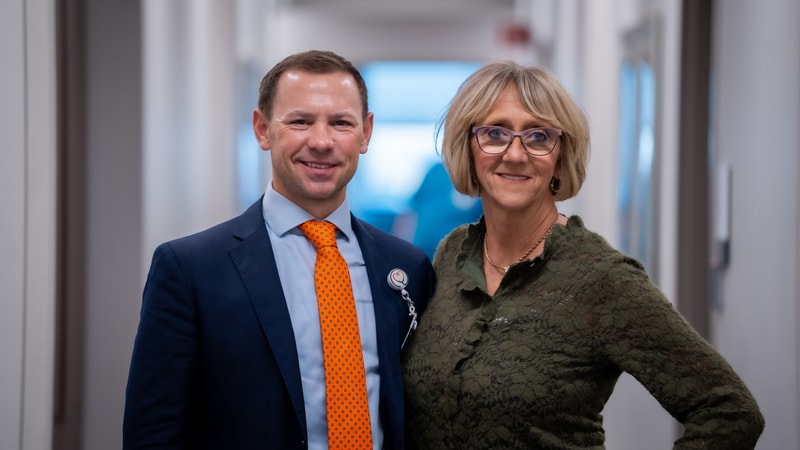
Cathy Hartmann, a 62-year-old farmer and never-smoker from Maple Park, Illinois, is one of the patients whose cancer was found through proactive screening offered by the Lung Health Center at the Northwestern Medicine Canning Thoracic Institute.
Hartmann learned about the research effort through a family connection to a neighbor, and fellow non-smoker, whose lung cancer was unexpectedly detected during a proactive heart calcium scan. Hartmann signed up to help researchers reach their enrollment goal, never expecting it would lead to a diagnosis of stage 1 lung cancer.
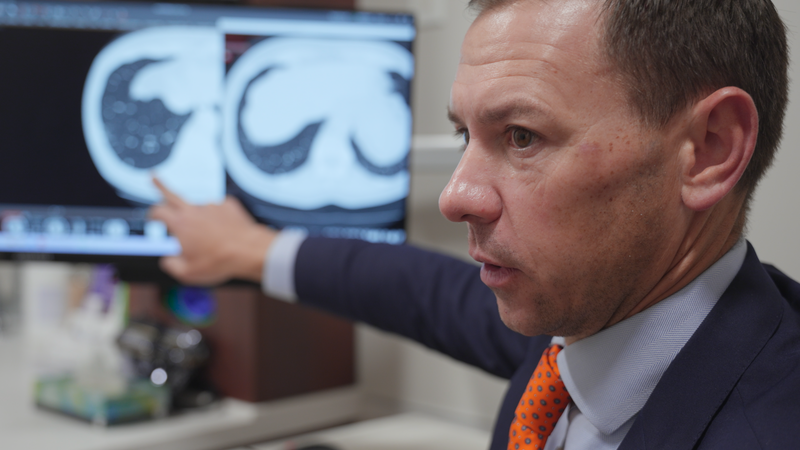
“Lung cancer is the deadliest cancer in America for smokers and non-smokers alike,” said Ankit Bharat, MD, chief of thoracic surgery and executive director of the Northwestern Medicine Canning Thoracic Institute. “Early detection is critical and a simple low-dose CT scan has the potential to save thousands of lives every year.”
One Year of Lung Health Center Screening Results
A Northwestern Medicine study published in JAMA in November 2025 found that only 35% of patients treated for lung cancer would have qualified for screening under current U.S. Preventive Services Task Force criteria. Two-thirds of those who would not have qualified were women and never-smokers.
In response, Northwestern Medicine launched the Lung Health Center at the Canning Thoracic Institute and began a research project with the goal of screening 10,000 people for lung cancer over five years, regardless of whether they qualify for a traditional screening CT scan.
In the first year, the Lung Health Center screened nearly 1,000 participants and found:
· The average participant age was 56 years old
· Forty percent (40%) had smoking history but were not eligible for screening under current U.S. Preventive Services Task Force (USPSTF) criteria
· More than half (54%) of patients had lung nodule and other findings that put them at an elevated risk for lung cancer, warranting ongoing surveillance
· Six patients were diagnosed with early-stage cancers and successfully treated, including two patients with stage 1 lung cancer with no smoking history
The detection rate is comparable to established screening programs. According to the Breast Cancer Surveillance Consortium (BCSC), for every 800 routine mammograms, on average, 5.4 cancers are detected.

Cathy Hartmann’s Unexpected Diagnosis
Cathy Hartmann and her husband, Doug, farm corn, soybeans and wheat and raise hogs with their children and other family members in DeKalb County. A non-smoker and physically active, Hartmann described herself “as healthy as can be.”
When she heard about the Lung Health Center research, Hartmann signed up that same day. “I just wanted to help fill the quota needed for the study,” Hartmann said. “I never expected them to find anything.”
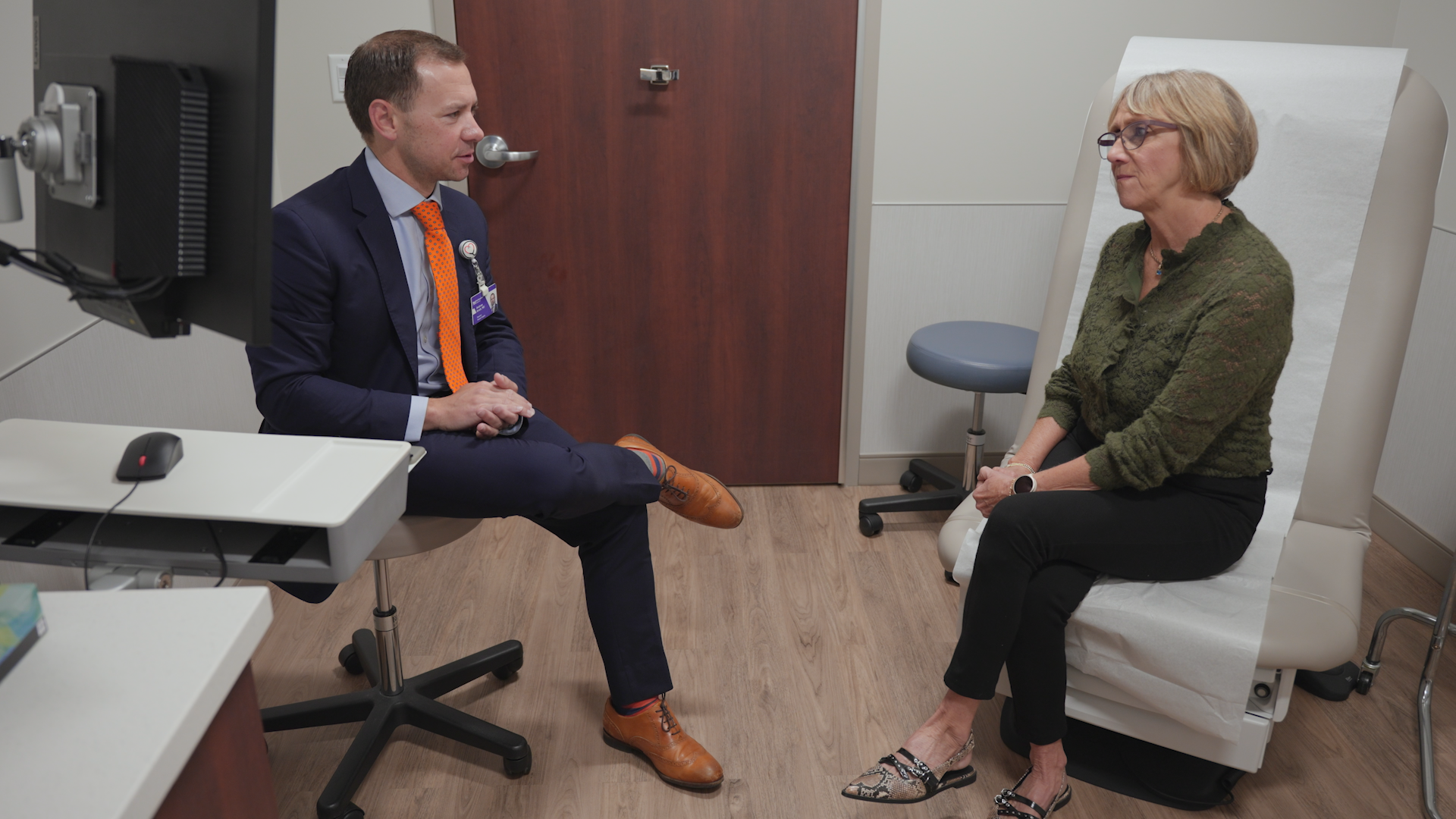
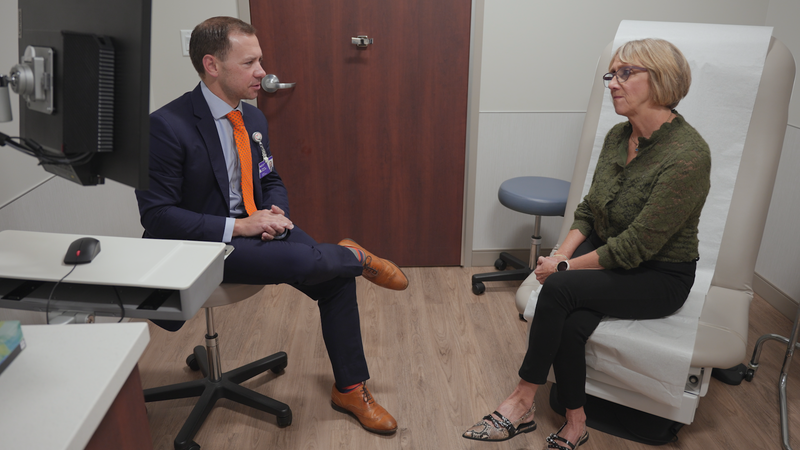
The day after her CT scan at Northwestern Medicine Kishwaukee Hospital, Hartmann received a call telling her a lung nodule was found and a biopsy was needed. Within days, Hartmann met with Benjamin Seides, MD, a pulmonologist with the Canning Thoracic Institute at Northwestern Medicine Central DuPage Hospital. He performed a robotic bronchoscopy and biopsy, and testing determined the lung nodule was cancerous.
Dr. Seides referred Hartmann to Andrew Arndt, MD, director of thoracic surgery with the Canning Thoracic Institute at Northwestern Medicine Central DuPage Hospital. Hartmann underwent robotic surgery in July and returned home two days later.
“I feel like she is an absolute embodiment of the success of the program, exemplifying why we've gone toward this broadening of screening to find people like Cathy who otherwise would not have gotten a CT scan until symptoms appeared,” said Dr. Arndt. “As we improve our understanding of the CT scan appearance of lung nodules and the types of lung cancers that we see, we’re able to analyze suspicious findings, diagnose cancer, treat it surgically and potentially even discharge a patient the same day.”
Post-surgery, Hartmann was considered cancer-free and required no further treatment. Hartmann is now encouraging everyone she meets to participate in the Northwestern Medicine Lung Health Center screening study.
“I think with Northwestern Medicine doing this study, it gave me a chance to survive,” Hartmann said. “I think they're going to get the right information and, hopefully, it'll lead to change nationwide.”
About the Northwestern Medicine Lung Health Center
Current U.S. Preventive Services Task Force guidelines recommend annual lung cancer screening for adults ages 50 to 80 who have at least a 20 pack-year smoking history and currently smoke or quit within the past 15 years.
Northwestern Medicine researchers recommend expanding screening to create a universal, age-based program for adults ages 40 to 85. Researchers estimate this approach could detect 94% of lung cancers and prevent more than 26,000 additional deaths annually.
Patients can access the Lung Health Center through a process that begins with a phone consultation. Anyone age 21 or older is eligible to receive a free consultation, with particular emphasis on people over 40 and those with risk factors.
To schedule a screening consultation, call 312-695-1800 and mention the “Lung Health Center” or email lunghealthcenter@nm.org.






Contact

|
Lauren Petty Manager, Media Relations Northwestern Medicine Health Network Central DuPage Hospital, Lake Forest Hospital, Palos Hospital, Delnor Hospital, Kishwaukee Hospital, Valley West Hospital, Marianjoy Rehabilitation Hospital, McHenry Hospital, Huntley Hospital, Woodstock Hospital, Proton Center |