

Iowa Mother Chooses Northwestern Medicine for Specialized Nerve-Grafting Technique Aimed at Restoring Sensation for Breast Cancer Patients Undergoing Surgery
Melissa Brown feared losing the feeling of her daughters’ hugs and opted for a procedure that provides nerve-restoring benefits and requires no additional recovery time
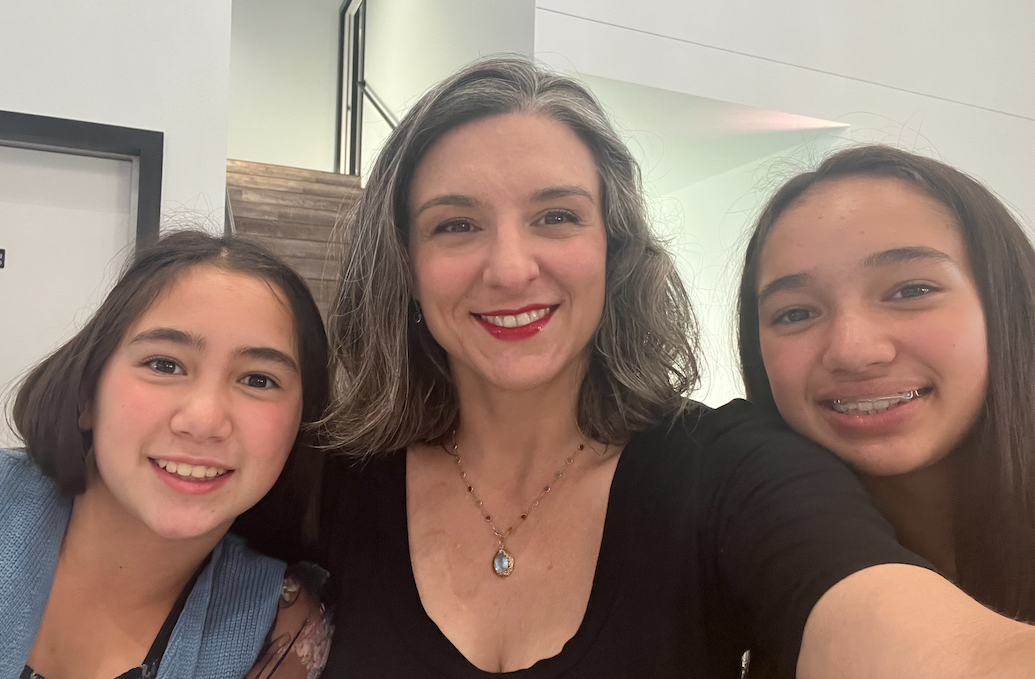
LAKE FOREST, Ill. – October 27, 2026 – When 45-year-old nurse and mother of two Melissa Brown was diagnosed with breast cancer, she knew a mastectomy could save her life. She also worried it could take away something deeply personal: the ability to feel her daughters’ hugs.
Brown, who lives in Clive, Iowa, had seen her older sister experience lasting numbness after a double mastectomy. “One of the things that bothered her the most was the lack of sensation that she had,” Brown said. “That was something she really grieved.”
Determined to preserve sensation if possible, Brown researched her options and traveled more than five hours from the Des Moines area to Northwestern Medicine Catherine Gratz Griffin Lake Forest Hospital in Chicago’s north suburbs. There, she underwent a double mastectomy with reconstruction and nerve grafting, a specialized procedure that requires additional surgeon training and expertise. Brown’s experience highlights a breast surgery and reconstruction option many patients may not know exists.
“A lot of patients aren’t aware of the loss of sensation and what that’s really like before they undergo a mastectomy,” said Heidi Memmel, MD, a breast surgeon at Catherine Gratz Griffin Lake Forest Hospital. “Oftentimes they’re shocked after surgery when they can’t feel anything. This is an opportunity to restore a little bit of that sensation.”
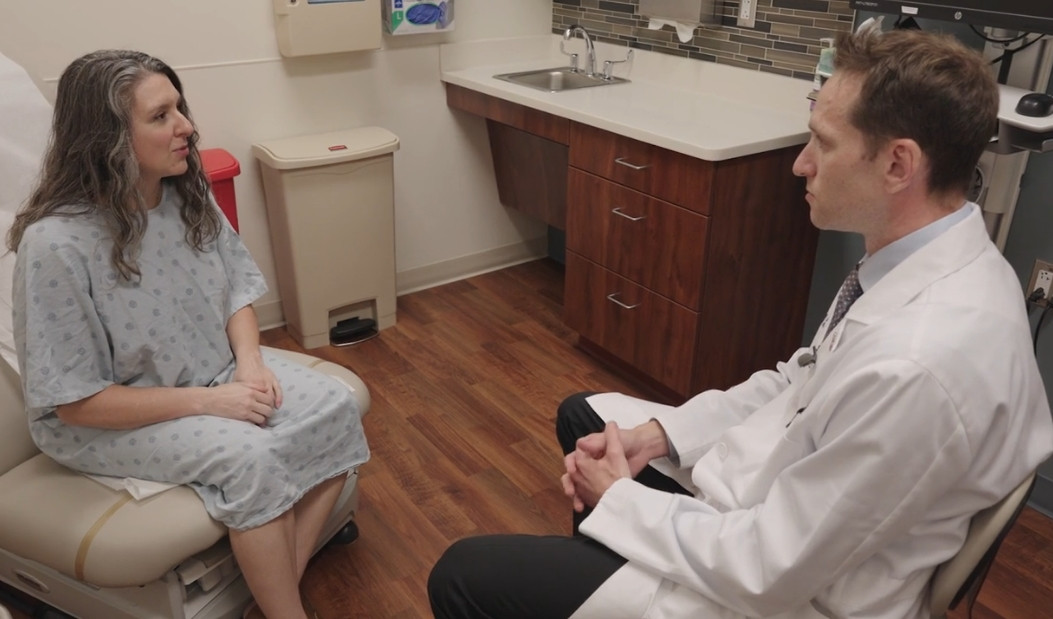
What is a nerve-grafting mastectomy?
During a traditional mastectomy, sensory nerves are cut when the breast tissue is removed, which can leave patients unable to feel pressure, light touch, pain or a hug against the breast.
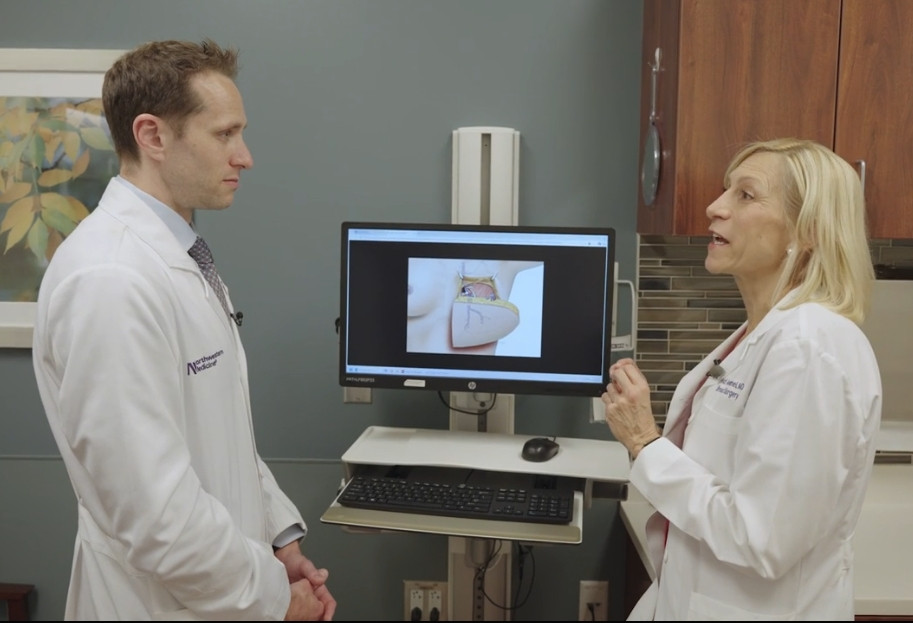
With nerve-preserving and nerve-grafting techniques, breast and reconstructive surgeons work together to preserve and reconnect nerves. The breast surgeon identifies and protects eligible nerves from the chest wall. The reconstructive surgeon then uses a cadaver nerve graft, or sometimes the patient’s own nerve, to reconnect them to nerves beneath the nipple and surrounding skin. The nerve re-sensation techniques are performed as part of the mastectomy and reconstruction process and generally do not require a separate recovery period.
“The breast surgeon has to be prepared to be able to find those nerves, know where to look for them and save them so those nerve endings are intact,” Dr. Memmel said. “And then the plastic surgeon grafts that nerve back to the tiny little nerves in the skin. It’s really a team effort.”
Sensation typically returns gradually as the nerves grow through the graft. Although surgeons cannot guarantee the complete return of sensation, the procedure may help patients regain feeling over time.
“What I’m philosophically really trying to do is help patients feel like themselves again,” said Chad Teven, MD, a plastic and reconstructive surgeon at Catherine Gratz Griffin Lake Forest Hospital. “One of the ways to do that is to help restore sensation so that they have as normal a feeling as they can after a big operation.”
Brown’s sensation began to return within three weeks of surgery, when Brown reported she had 50% sensation back, with feeling at the tops and sides of her breasts.
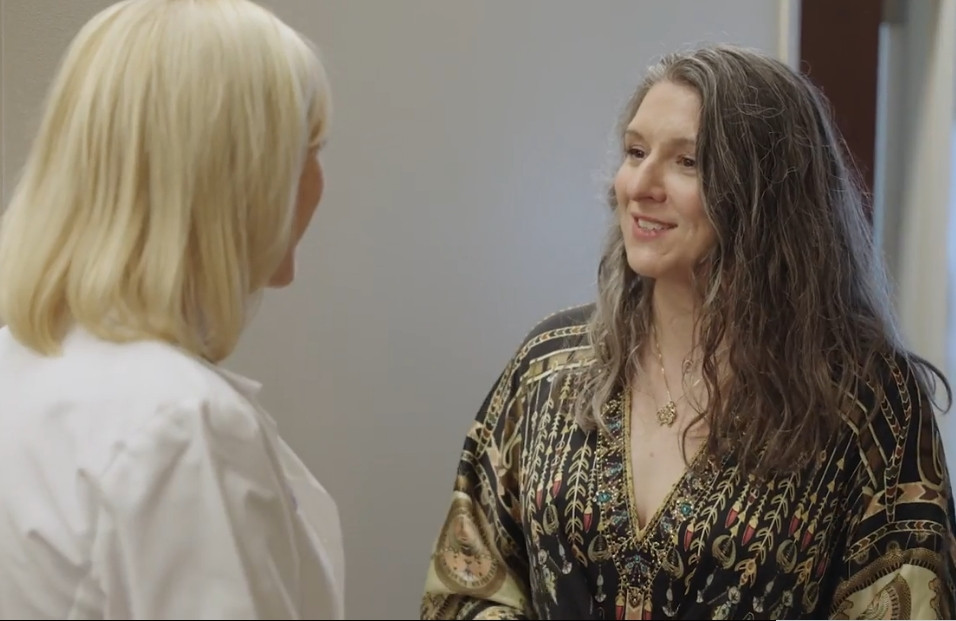
“I wanted to be able to feel my children’s hugs”
Considered high risk for breast cancer, Brown’s cancer was detected after her annual MRI identified areas of concern. She underwent a lumpectomy and was diagnosed with invasive ductal carcinoma. When her doctors in Iowa had concerns that there could be additional cancer that could not be seen on imaging, Brown and her physicians ultimately decided a double mastectomy was her best option.
Preserving sensation was especially important to Brown, who has two daughters. “I wanted to be able to feel my children’s hugs when they come up and give me a big hug,” Brown said.
Brown traveled to Lake Forest to undergo a nerve-grafting mastectomy with Dr. Memmel and Dr. Teven in September. For Brown, regaining sensation is about more than physical feeling. “I think being able to have even some sensation back helps mentally and being able to feel that, yes, this is my body,” Brown said.
Exploring your surgical options
Nerve grafting may not be appropriate or available for every patient, but Brown’s experience underscores the importance of discussing the potential loss of sensation before surgery. “Sometimes these things like sensation get brushed aside as not meaningful because we want to get rid of the cancer,” Brown said. “That’s the primary concern.”
Memmel encourages patients considering a mastectomy to ask how surgery may affect sensation and whether nerve preservation or reconstruction could be included in their surgical plan. For Brown, finding a surgical team willing to explore those questions changed how she viewed her cancer experience. “There’s so much that a person loses through cancer,” Brown said. “Being able to have such wonderful doctors to work with has helped me see this as something that I can grow through and not see it as loss.”
Northwestern Medicine provides comprehensive breast surgery and multidisciplinary breast care through the Northwestern Medicine Breast Health Program. Board-certified surgeons and clinical care teams offer a full range of breast surgery and breast reconstruction options at hospitals throughout the Chicago area including downtown, the northern, western and south suburban locations.
For more information to better understand the surgical options available to you, visit nm.org.
Contact

|
Lauren Petty Manager, Media Relations Northwestern Medicine Health Network Central DuPage Hospital, Lake Forest Hospital, Palos Hospital, Delnor Hospital, Kishwaukee Hospital, Valley West Hospital, Marianjoy Rehabilitation Hospital, McHenry Hospital, Huntley Hospital, Woodstock Hospital, Proton Center |