

University of Illinois Basketball Player Makes Full Recovery After Thoracic Outlet Syndrome Surgery at Northwestern Medicine
Arm pain and swelling were signs the college basketball forward had a condition, surgically treated by removing the first rib
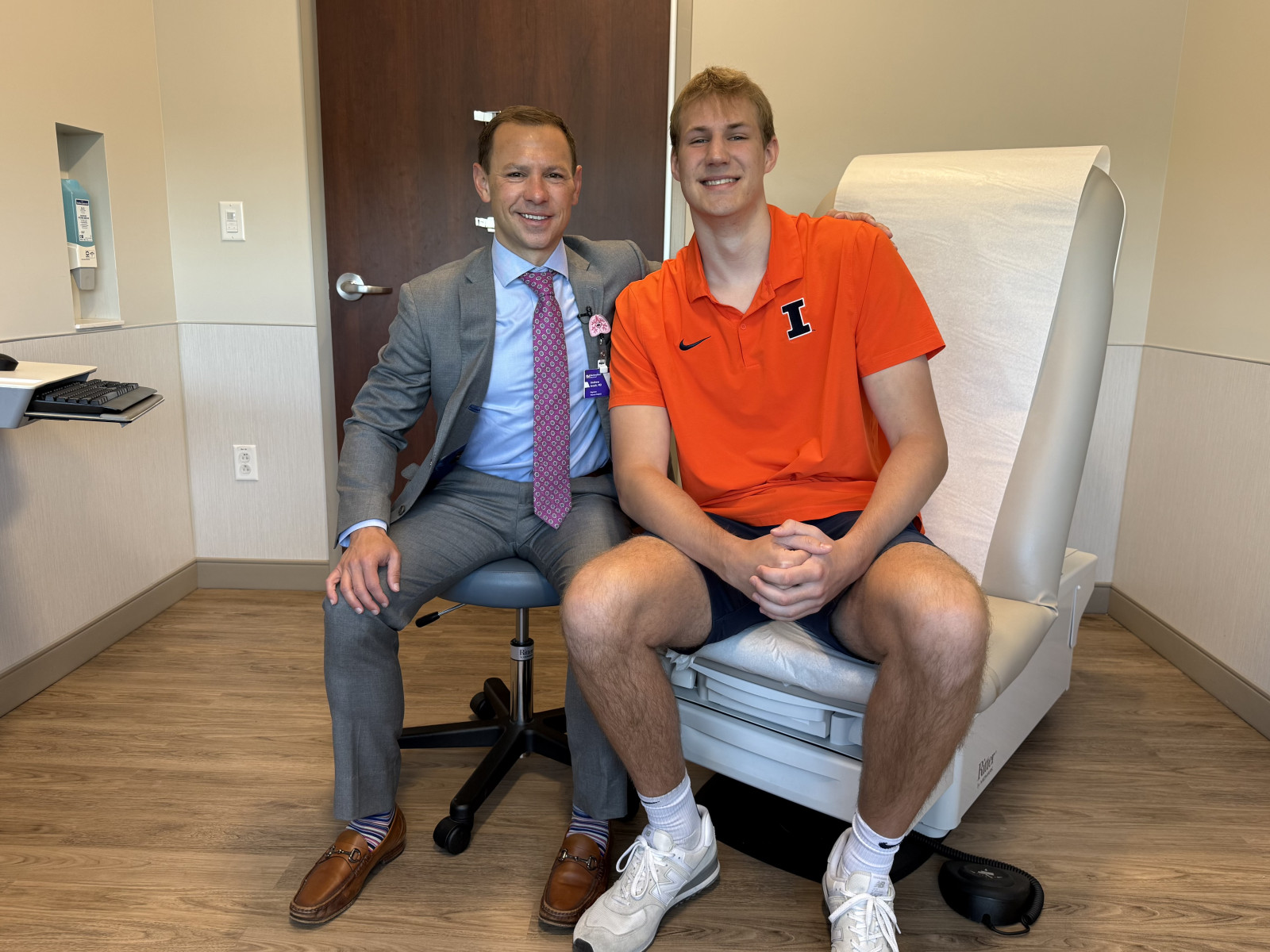
Winfield, Illinois, June 15, 2026 — University of Illinois men’s basketball player Jason Jakstys is set to return to the court this summer, months after a season-ending diagnosis of venous thoracic outlet syndrome (TOS). The condition occurs when a blood vessel is compressed near the shoulder risking limited blood flow to the arm. Without treatment, the condition can make actions like shooting and rebounding difficult and potentially dangerous. Timely diagnosis and specialized care was critical to preserving Jakstys’ playing career.
"I was definitely devastated because I knew I had to sit out the rest of the season," Jakstys said. "I really wanted to be a part of the team and able to play March Madness."
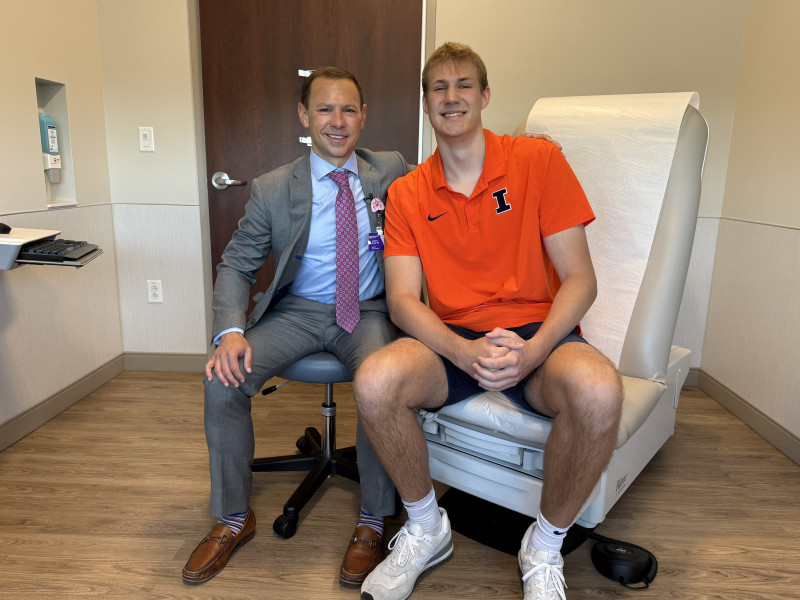
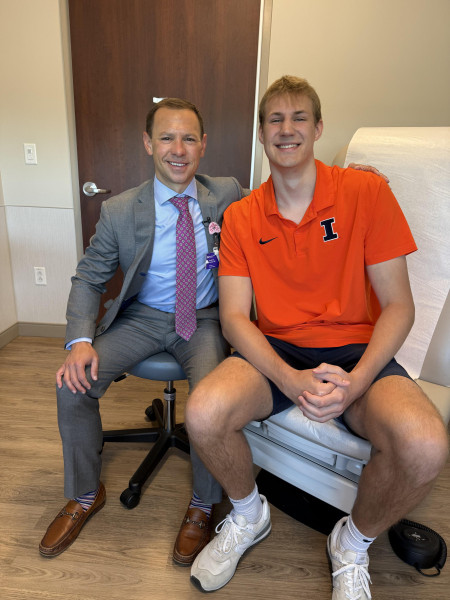
Ahead of the team’s history-making run in the NCAA tournament, Jakstys underwent surgery performed by Andrew Arndt, MD, director of thoracic surgery with the Canning Thoracic Institute at Northwestern Medicine Central DuPage Hospital.
“Repetitive use is a very common contributor to venous TOS,” said Dr. Arndt. “It was probably building up over time and Jason didn't know about it. The problem itself tends to show up fairly acutely, but as long as it's promptly recognized and treated, it tends to be treated successfully.”
First Signs Something Wasn’t Right
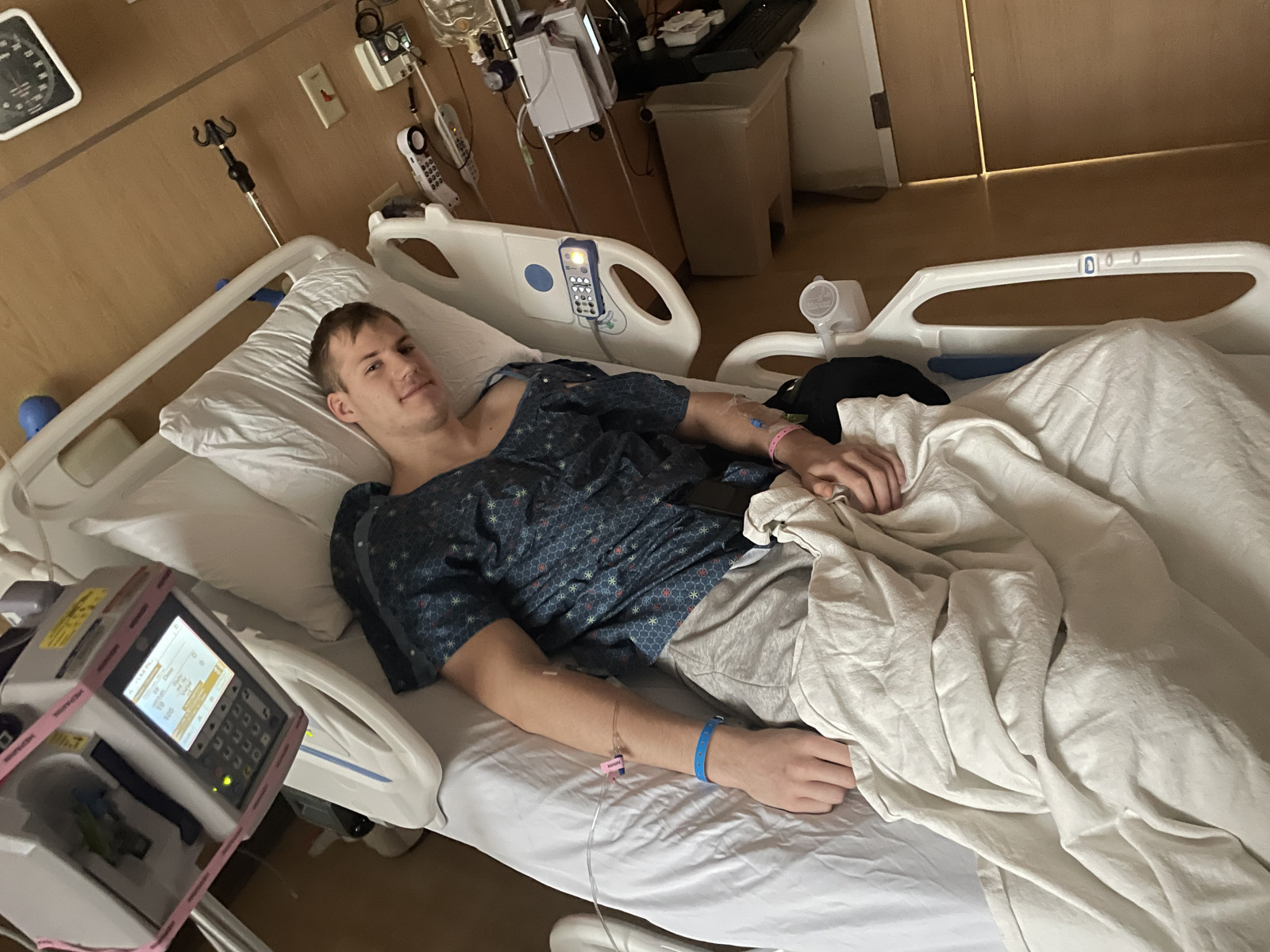
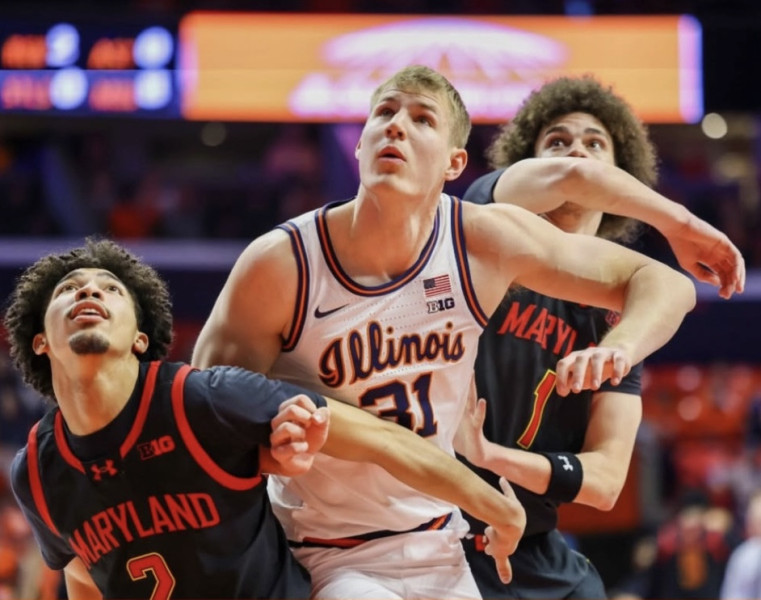
Jakstys first realized something was wrong the day before the University of Illinois men’s basketball game against the University of Maryland on Jan. 21, 2026.
While sitting in class, Jakstys experienced discomfort in his left arm that stood out from typical soreness associated with basketball. Despite those symptoms, he played in the game the next day.
“I noticed my shoulder was kind of bugging me, but, being a basketball player, you play through it,” Jakstys said.
The day after the game, the pain had intensified, signaling that the issue was more serious than a routine injury. While weightlifting after a light practice, Jakstys’ left arm was discolored.
“My arm just starts bulging up, becomes red, veins were bulging,” Jakstys said. “Guys are looking at it, like that's kind of weird. I knew something was wrong, but I still finished practice and then coach said, ‘Yeah, we need to get this looked at.’”
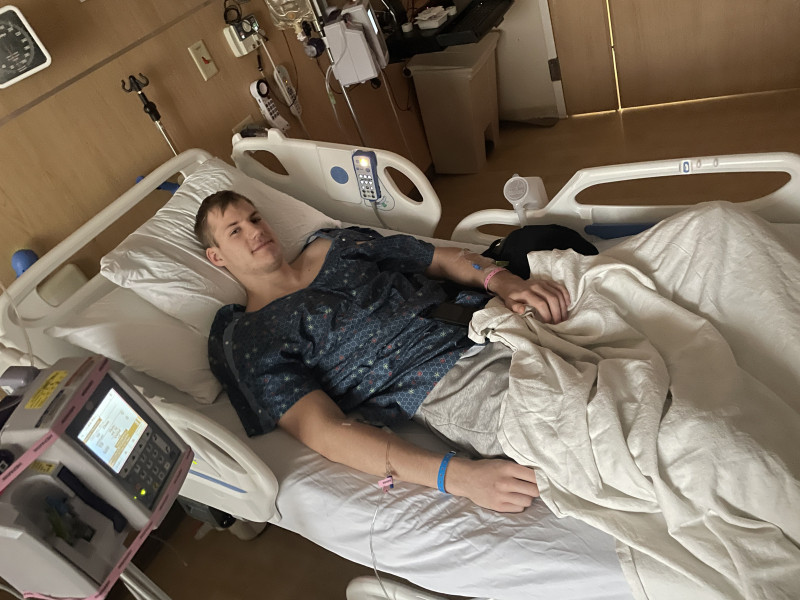
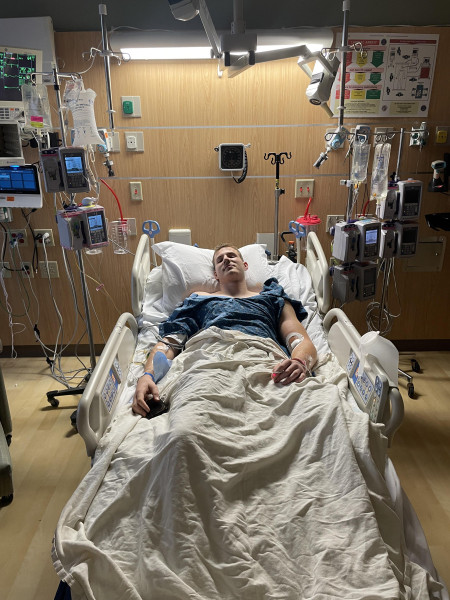
An ultrasound determined it was a blood clot and Jakstys was immediately put on blood thinners. Further evaluation led to the diagnosis of venous thoracic outlet syndrome.
About Thoracic Outlet Syndrome
Thoracic outlet syndrome occurs when blood vessels or nerves are compressed in the space between the collarbone and first rib.
In Jakstys’ case, the condition involved compression of the subclavian vein, known as venous thoracic outlet syndrome. This can lead to blood clots, swelling and discomfort in the arm and shoulder. “Jason being an athlete, with repetitive overhead and upper body activity, contributed to this development,” Dr. Arndt said.
Venous thoracic outlet syndrome is rare, but it occurs more often in high-level athletes whose repetitive overhead movements can compress blood vessels and threaten their ability to compete.
“I was definitely surprised and devastated. I put in two years of hard work and then, in a matter of seconds, my season was over,” Jakstys said.
A Surgical Fix
While blood thinners targeted the existing clot, Dr. Arndt recommended thoracic outlet surgery to prevent future issues.
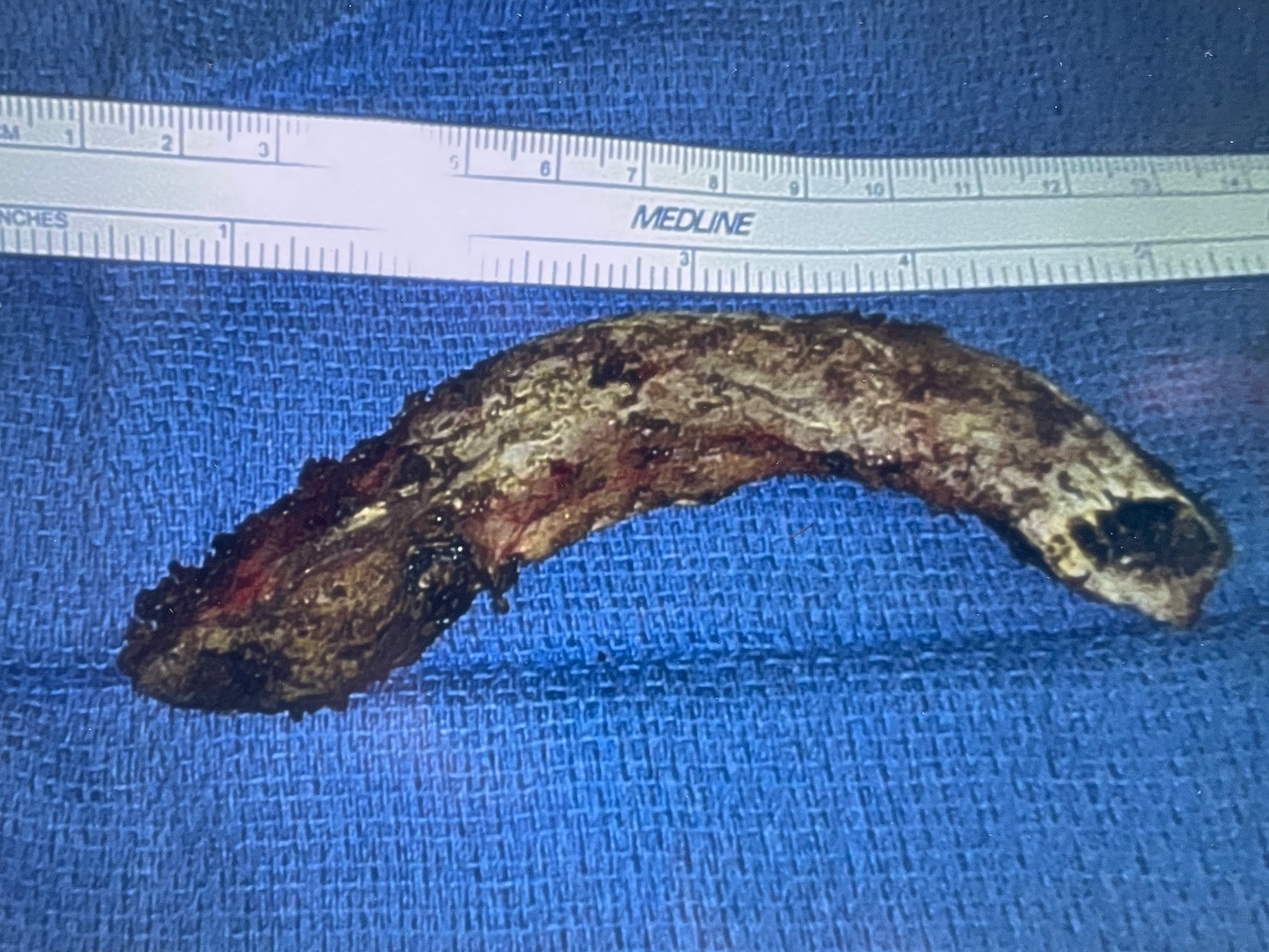
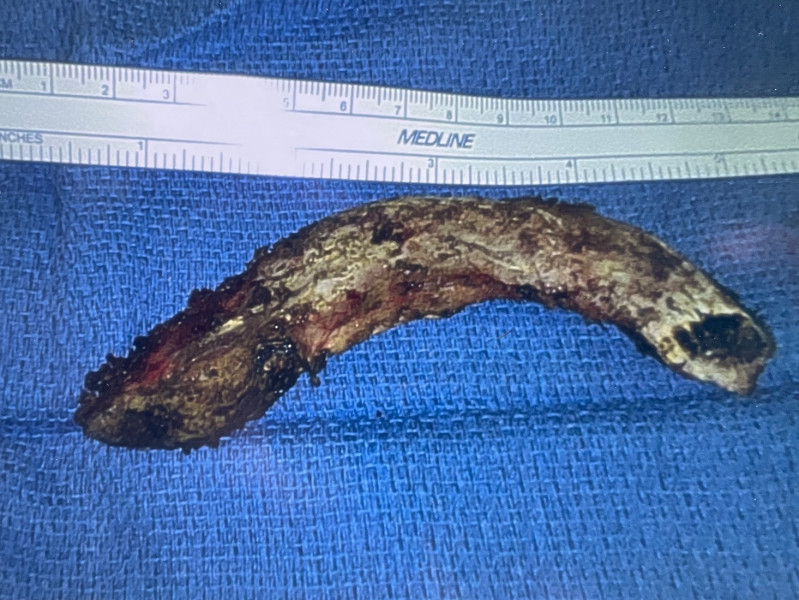
“The definitive management to prevent clot recurrence is a first rib resection, which means removing the uppermost rib, closest to the collarbone," Dr. Arndt said.
The first rib is not medically necessary for breathing or normal movement. During the surgery, the muscles that surround the rib are repositioned, without impacting arm or shoulder range of motion or mobility.
Jakstys didn’t even know that type of surgery existed. “Honestly, I was speechless. I was like, ‘How is this going to help me at all?’” Jakstys said. “Then Dr. Arndt explained it to me and I was like, ‘OK, that makes sense. And my next thought was can I keep the rib? That's a cool thing to keep, but unfortunately, I couldn't.”
One aspect of Jakstys’ surgery that Dr. Arndt had to take into consideration is Jakstys’ height. The basketball player stands 6’10”, but his stature did not impact the plan for Dr. Arndt to operate robotically.
"The main concern with his size is surgical access," Dr. Arndt said. "The robot fortunately gives excellent reach, and the approach largely mitigates the concern of working in a deep cavity."
Remarkable Recovery and Return to Activity
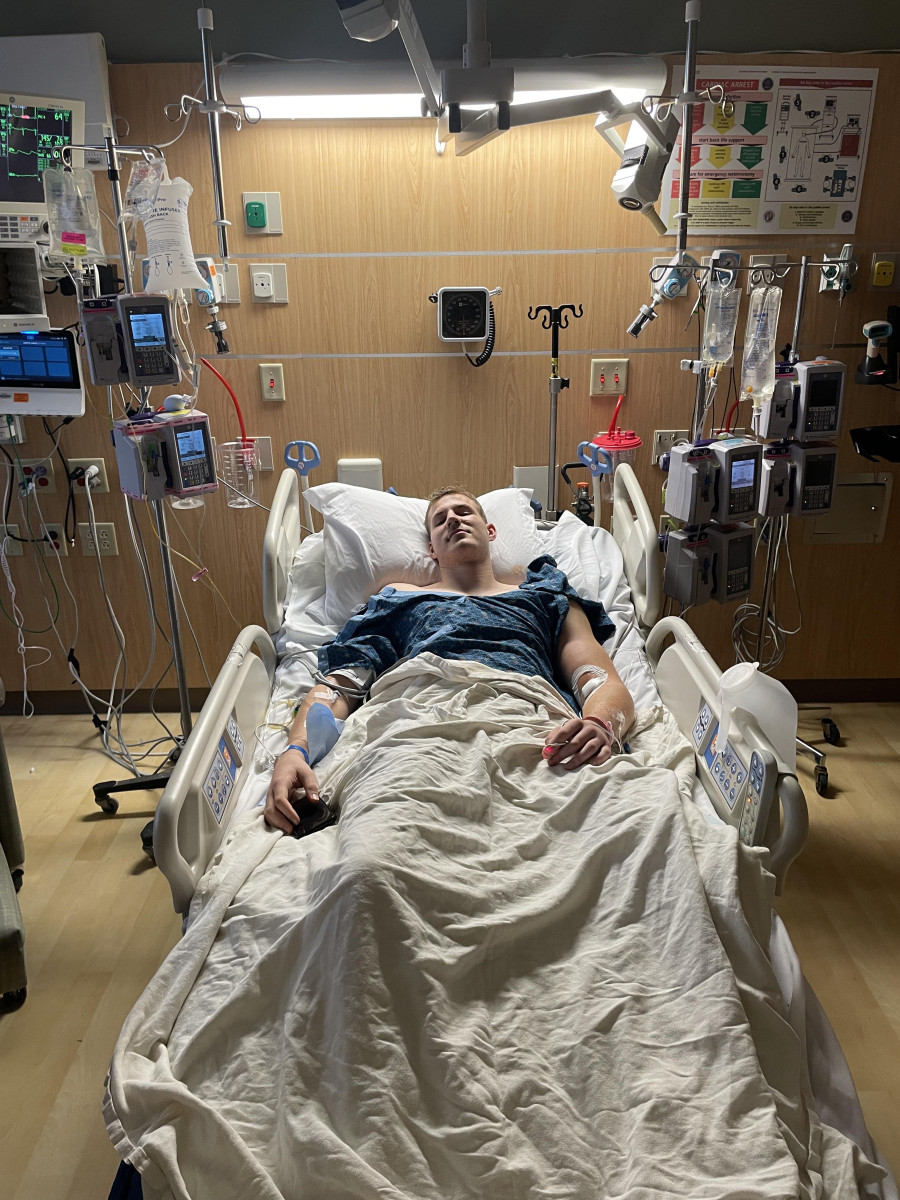
Jakstys's recovery exceeded expectations. Immediately after surgery, he experienced far less discomfort than anticipated.
“After a little over a week, I was kind of getting the itch to start moving again,” said Jakstys. “Within a month I was shooting, doing everything I could besides weightlifting and playing.”
“He recovered phenomenally well, which is great. I think that's a testament to his own motivation,” said Dr. Arndt. “He wasn't about to let this hold him back or beat him down.”
Bittersweet March Madness Experience
As Jakstys recovered from surgery, the University of Illinois Fighting Illini basketball team made an exciting run in the NCAA tournament. “One of my questions was how early can we get the surgery done because I wanted to go to all the March Madness games,” Jakstys said.
Jakstys was medically cleared to travel with the team to Houston for the Sweet Sixteen and then Indianapolis for the Final Four, creating a bittersweet experience for the sidelined player.
“Obviously you want to put on the jersey. You want to get in the game,” Jakstys said.
“But it was so great being a part of team. All the guys were super supportive. It was great to be there.”
Watching the games, Dr. Arndt says he was rooting for both the Illini and for his patient.
“I felt great and horrible for him at the same time. He was there. The team was there, but he wasn't a part of it, on the court at least,” Dr. Arndt said. “I loved following their run. I hope they have more to come and I hope he’s part of it.”
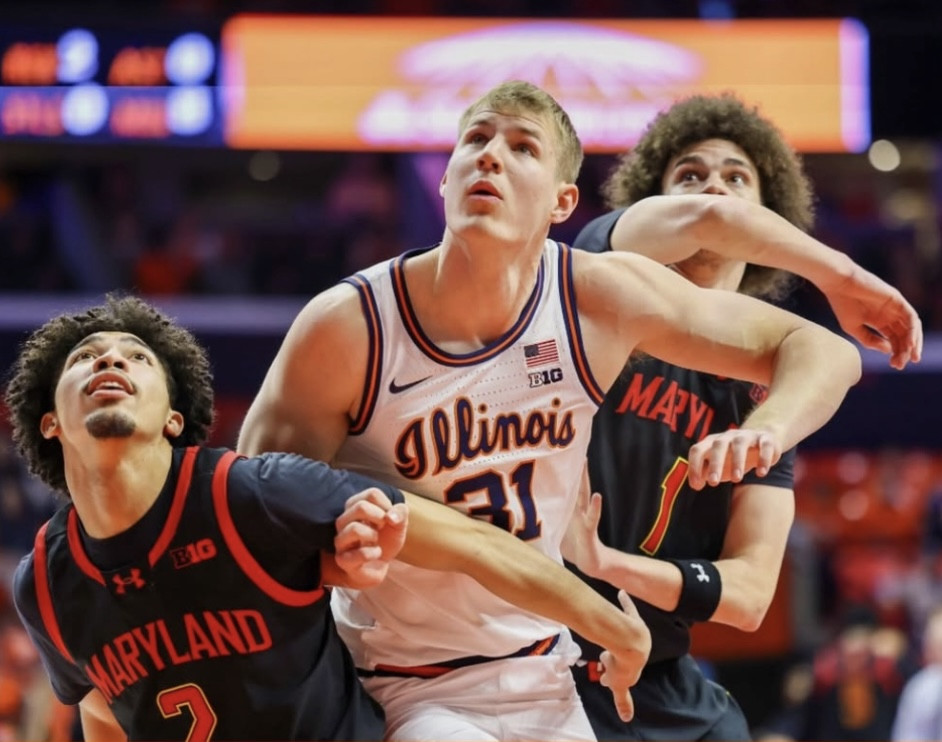
Looking forward to the 2026-2027 season
With full medical clearance and several weeks of conditioning under his belt, Jakstys is looking forward to the start of official summer workouts and the upcoming 2026-2027 basketball season.
“We got a lot of guys coming back, some new guys, some freshmen. I’m just looking forward to meeting everybody, getting back with the coaches and starting back up,” Jakstys said.
After experiencing March Madness from the sidelines, Jakstys is more motivated than ever to be on the court contributing to the team’s success, with his surgeon cheering him on. “Jason’s prognosis is excellent,” Dr. Arndt said.
For Dr. Arndt, Jakstys's story represents the best possible outcome for thoracic outlet surgery — a young athlete who received prompt diagnosis and treatment, recovered extremely well, and will return to doing what he loves at the highest level of college basketball.
For more information about thoracic outlet syndrome, visit https://www.nm.org/conditions-and-care-areas/pulmonary/thoracic-outlet-syndrome.
Contact

|
Lauren Petty Manager, Media Relations Northwestern Medicine Health Network Central DuPage Hospital, Lake Forest Hospital, Palos Hospital, Delnor Hospital, Kishwaukee Hospital, Valley West Hospital, Marianjoy Rehabilitation Hospital, McHenry Hospital, Huntley Hospital, Woodstock Hospital, Proton Center |