

Suburban Woman Reclaims Her Voice with Help from the Northwestern Medicine Aphasia Center at Marianjoy Rehabilitation Hospital
Community-based services are available to anyone suffering from aphasia due to a stroke or traumatic brain injury
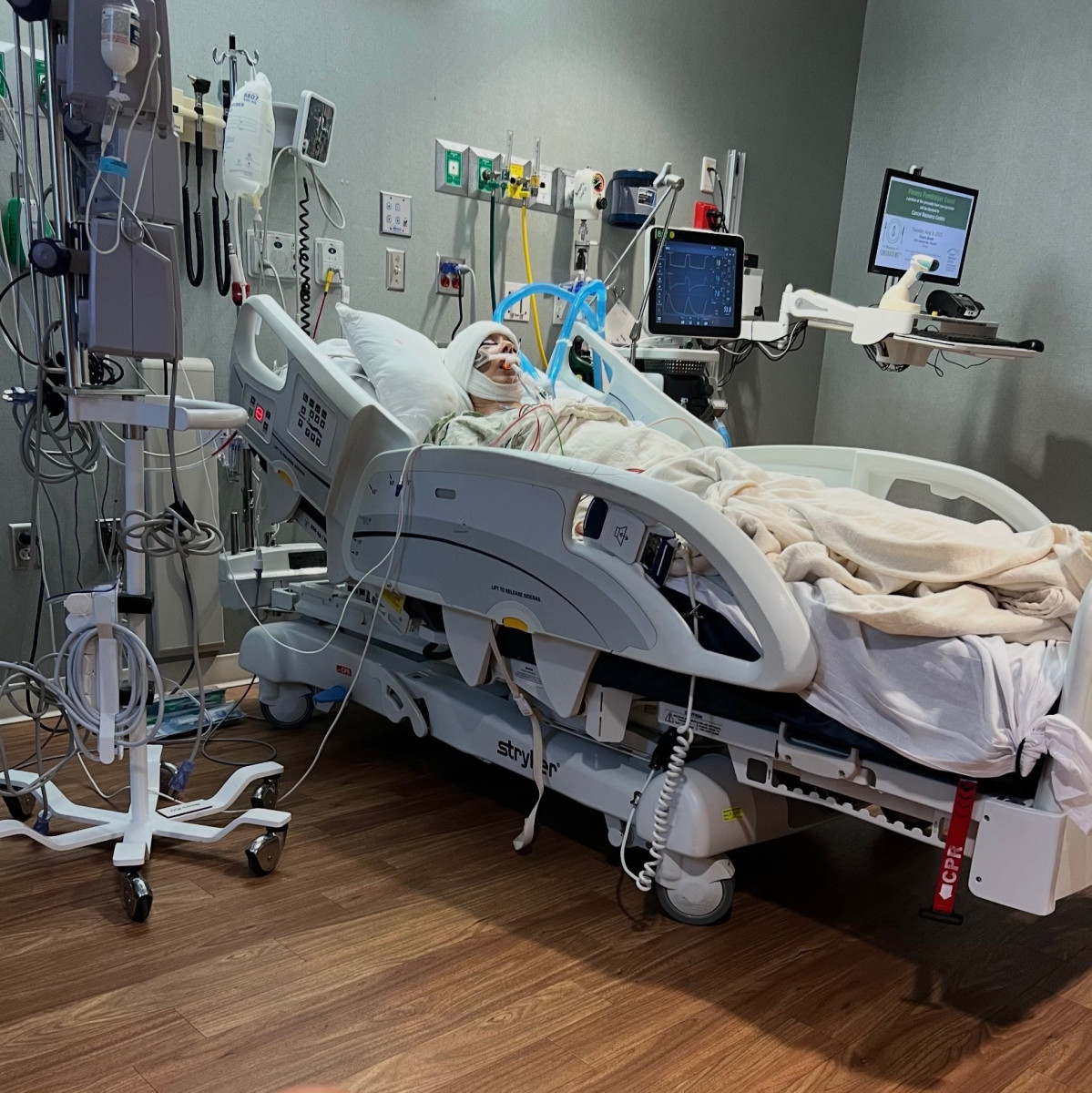
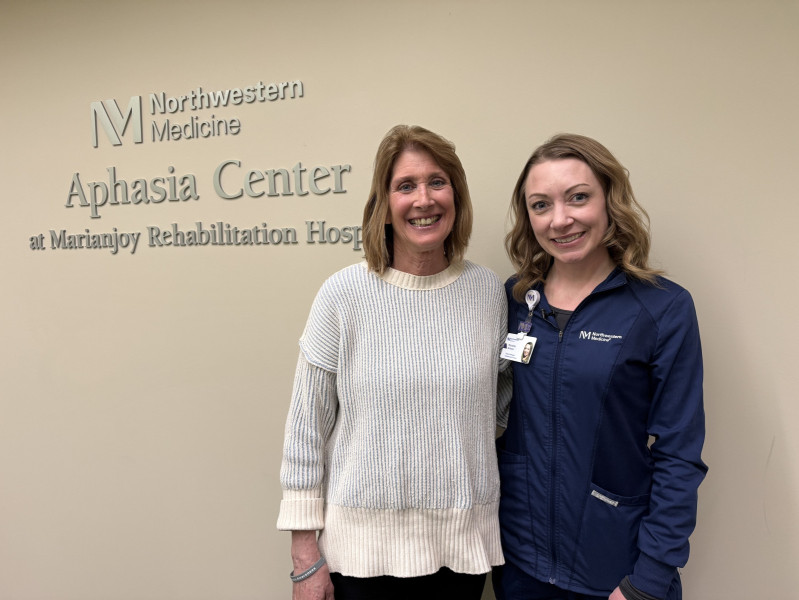
Wheaton, Illinois – June 18, 2026 – After surviving a life-changing bicycling accident that left her with a traumatic brain injury and aphasia, Lemont resident Linda Budziak is back to running her in home daycare, a feat made possible with significant help from the Northwestern Medicine Aphasia Center at Marianjoy Rehabilitation Hospital.
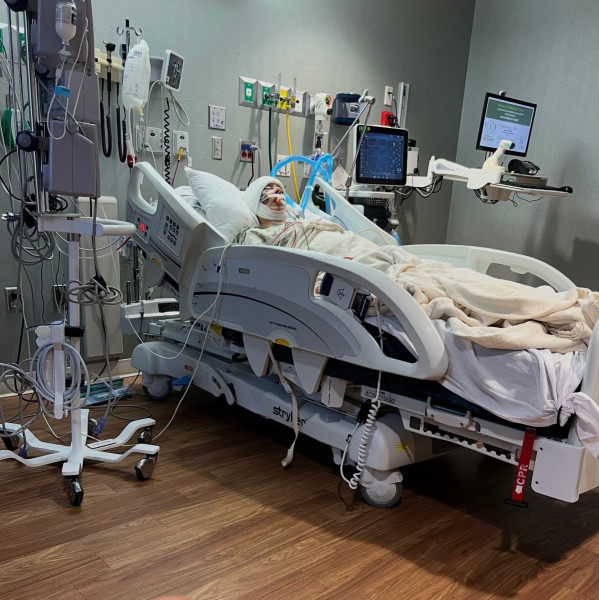
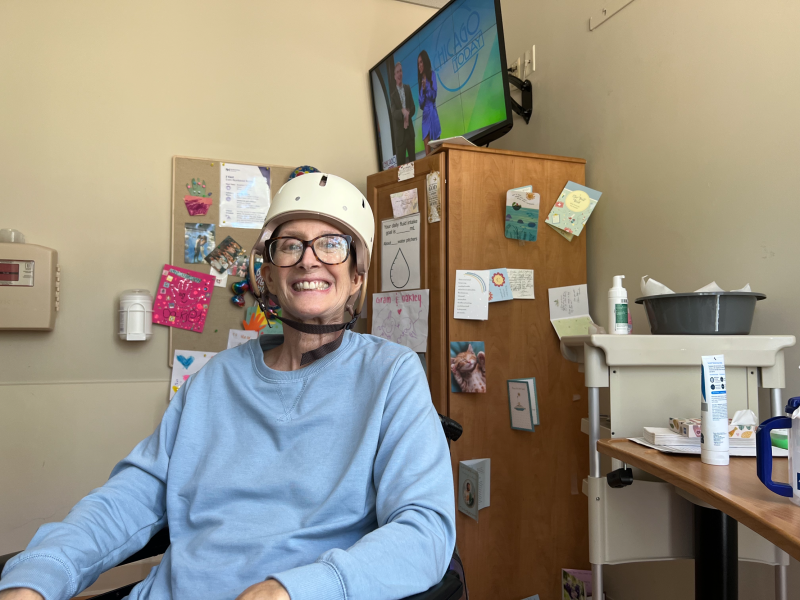
When Budziak went out for a bike ride while visiting friends in Indiana in August 2023, she never expected it would change her life. Just minutes from finishing the ride, rain began to fall, and Linda lost control of her bicycle.
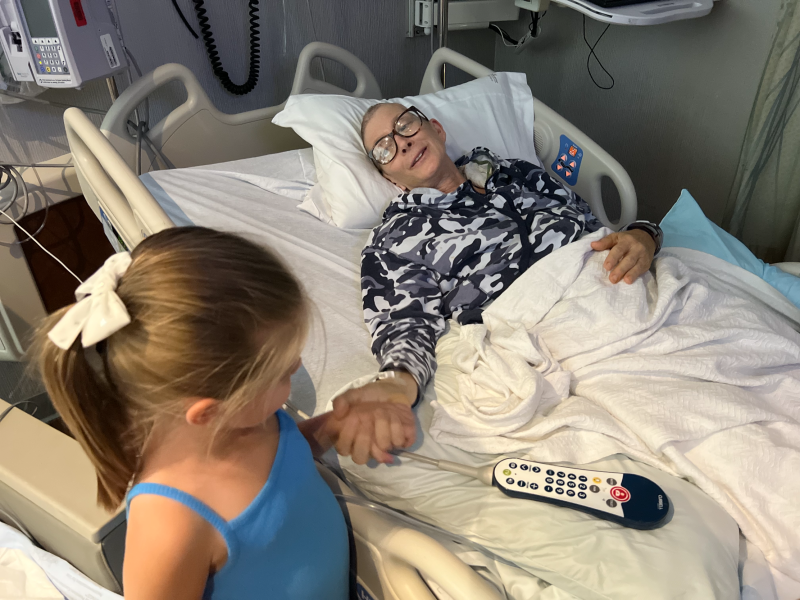
The crash left her with a traumatic brain injury, a brain bleed, and a broken hip and femur. She required emergency brain surgery and spent weeks hospitalized before starting rehabilitation.
When she woke from a coma more than a week later, Budziak realized the injury had affected her ability to communicate. “I could understand that my speech wasn’t right,” she said. “I’m a talking person, so that was hard for me.”
The Northwestern Medicine Aphasia Center at Northwestern Medicine Marianjoy Rehabilitation Hospital would play a critical role in helping Budziak regain her confidence, reconnect with others, and return to the life she loved.
What Is Aphasia?
Aphasia is a language disorder that affects a person’s ability to communicate. It can impact speaking, understanding, reading, and writing, even though the person knows what they want to say.
“At the core of it, a person with aphasia knows what they want to say, but they just have difficulty putting it into words,” said Michelle Armour, MS, CCC-SLP, founder and program manager of the Aphasia Center.
Aphasia is most commonly caused by stroke, but it can also result from a traumatic brain injury or other changes to the brain. The severity and presentation vary from person to person, often affecting daily life, relationships, and independence.
Why the Aphasia Center Is About Community
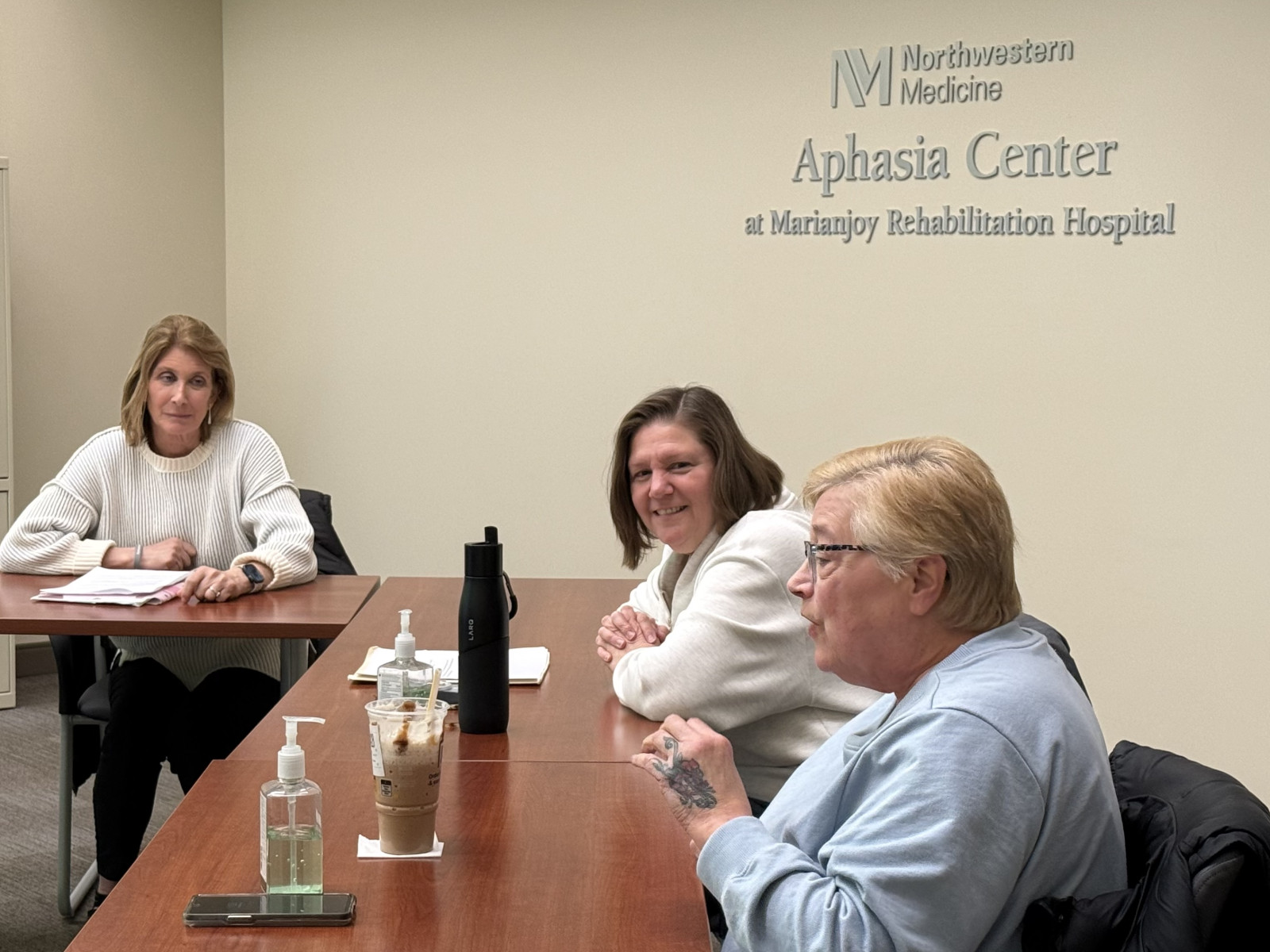
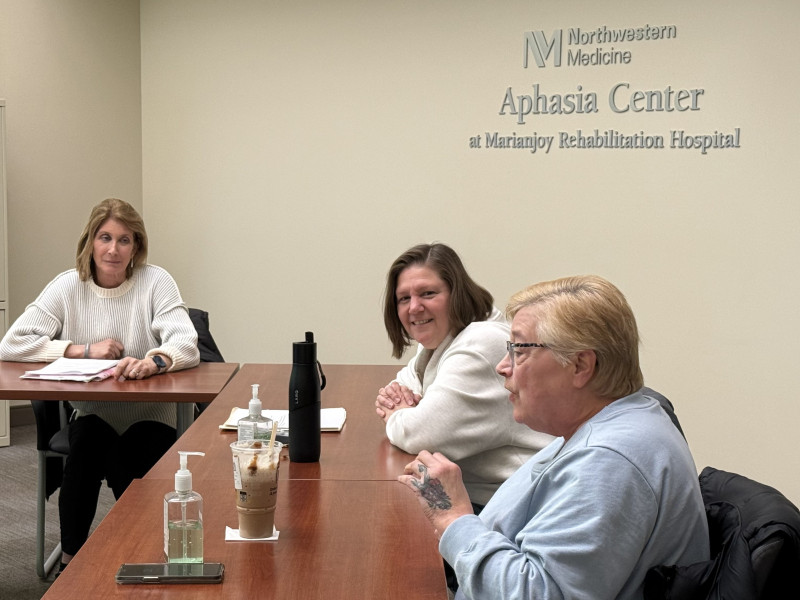
The Northwestern Medicine Aphasia Center at Marianjoy Rehabilitation Hospital is designed as a community-based program, a unique offering that is accessible to anyone in the community living with aphasia.
“Our main goal is to help individuals not only continue to improve their communication, no matter how long it’s been since their injury, but help them connect with other people who have similar experiences,” Armour said.
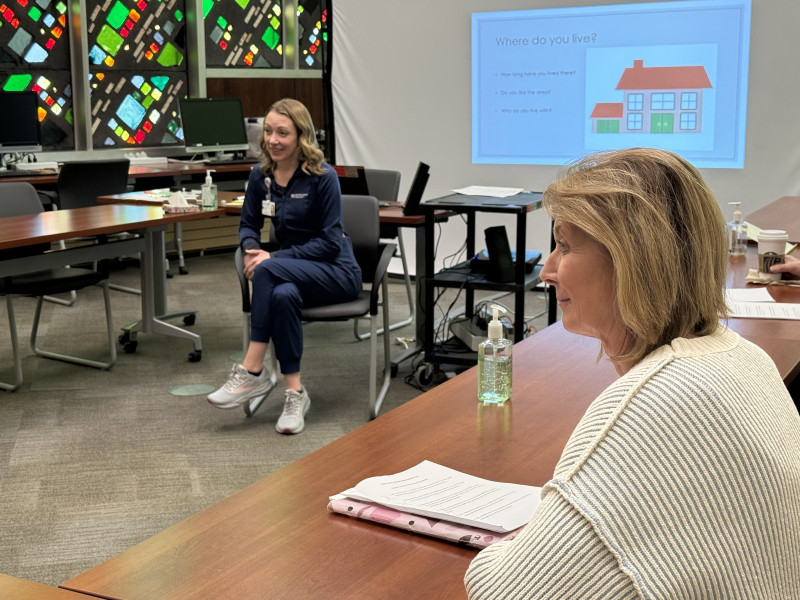
Group sessions bring together people living with aphasia to practice communication, socialize, and support one another.
According to Armour, this sense of connection is essential to long term recovery.
“When communication changes unexpectedly from a stroke or brain injury, social circles can shrink and people can feel isolated,” she said. “By providing this safe space where everyone understands what it’s like to have trouble communicating, it creates a new community and helps people avoid that isolating feeling.”
The program emphasizes what Armour describes as “living well with aphasia” by helping participants engage in meaningful activities and relationships, regardless of the severity of their language challenges.
How the Aphasia Center Helped Linda Budziak Get Her Life Back
When Budziak first joined the Aphasia Center program, she struggled with reading and was hesitant to speak in the group. “I literally sat there and I couldn’t even read a sentence,” Budziak said.
Armour remembers those early days clearly. “When Linda first joined our program, she was very quiet and a little nervous,” Amour said. “Over the course of her involvement, she has just blossomed.”
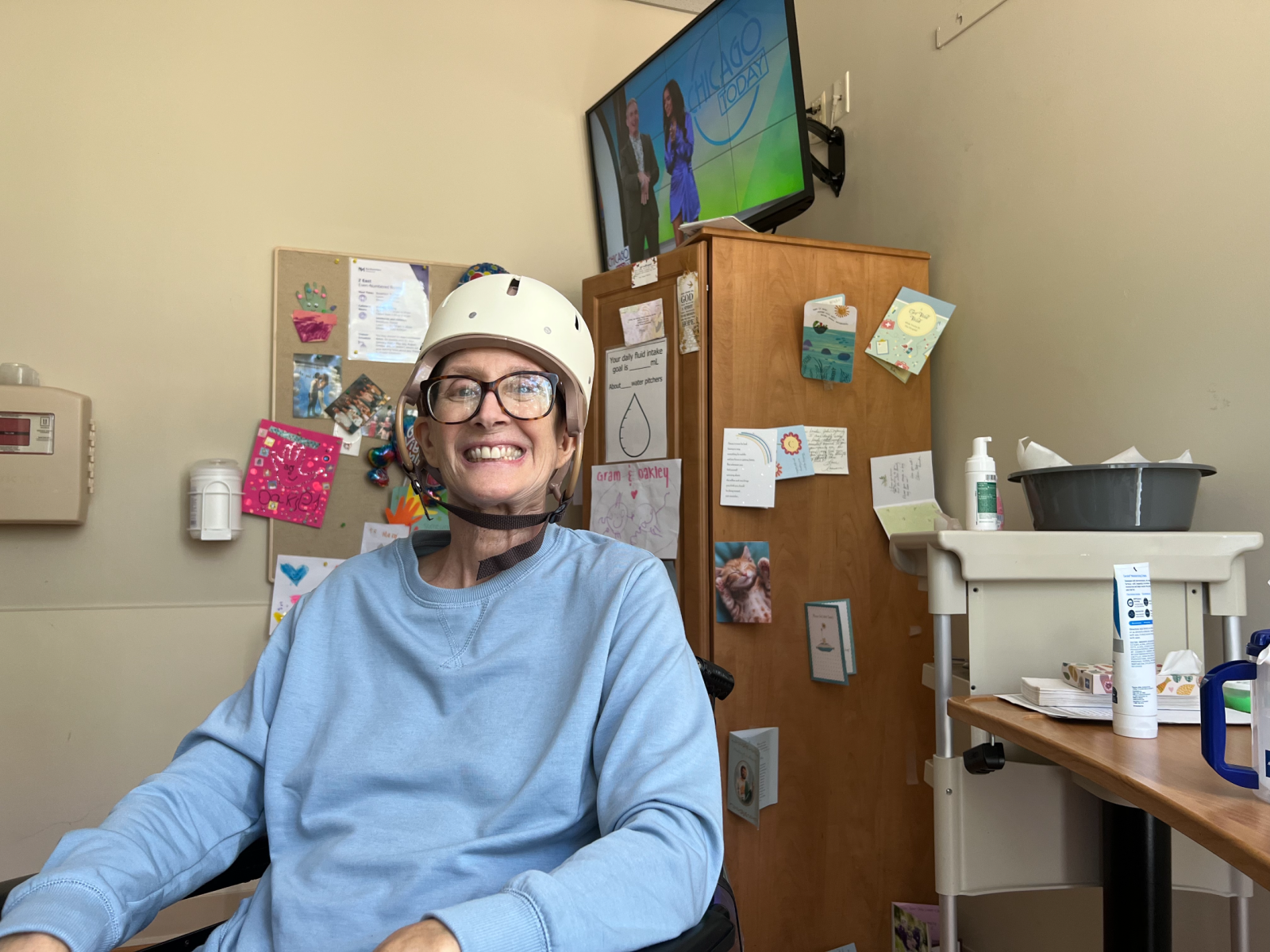
Within weeks, Budziak began to see dramatic improvement. “After three weeks, I was a different person,” Budziak said. “Talking to other people who had injuries or strokes helped me so much. I always told myself, ‘I’m going to get better. I’m not going to give up.’”
The program helped Budziak rebuild confidence in her communication skills, return to running her licensed in-home daycare full time, and discover a new love for reading. “I literally have a love for reading, which I never did,” she said. “It’s also given me a love to help people and to talk to people again.”
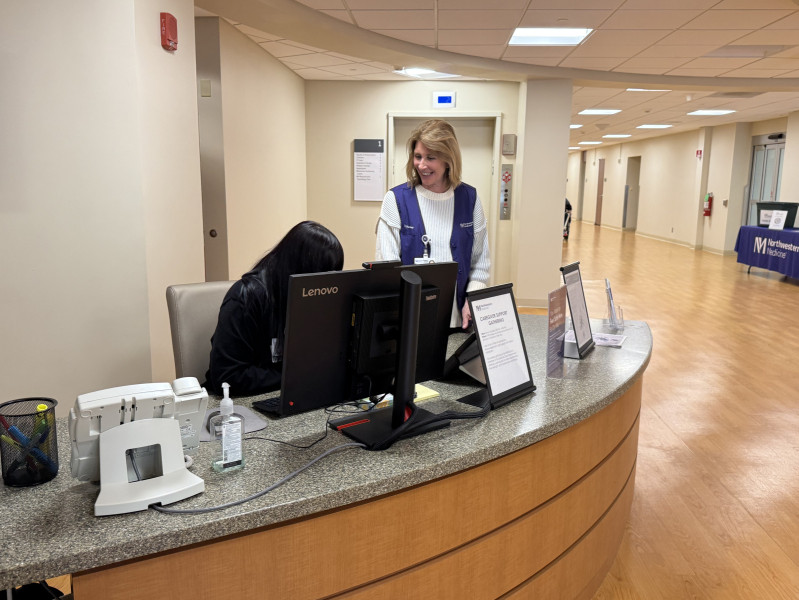
Today, Budziak volunteers weekly at Marianjoy and continues to participate in the Aphasia Center, welcoming new members and offering encouragement through her own experience. “If you’re having a hard time, you come here, you talk to other people, and you go home feeling better,” she said. “Being around other people keeps you motivated.”
About the Northwestern Medicine Aphasia Center at Marianjoy
The Northwestern Medicine Aphasia Center at Marianjoy Rehabilitation Hospital is designed for people experiencing aphasia who would like to improve their communication skills and connect with others also experiencing aphasia. In-person and virtual options are available.
Patients can participate in several different ways:
Intensive Comprehensive Aphasia Program (ICAP) — A four-week program comprised of intensive speech services. Participants work with a specialized speech-language pathologists one-on-one and in group sessions for six hours a day, four days a week.
One-on-One Sessions — Held in person or virtual, one-on-one sessions are available for an additional fee.
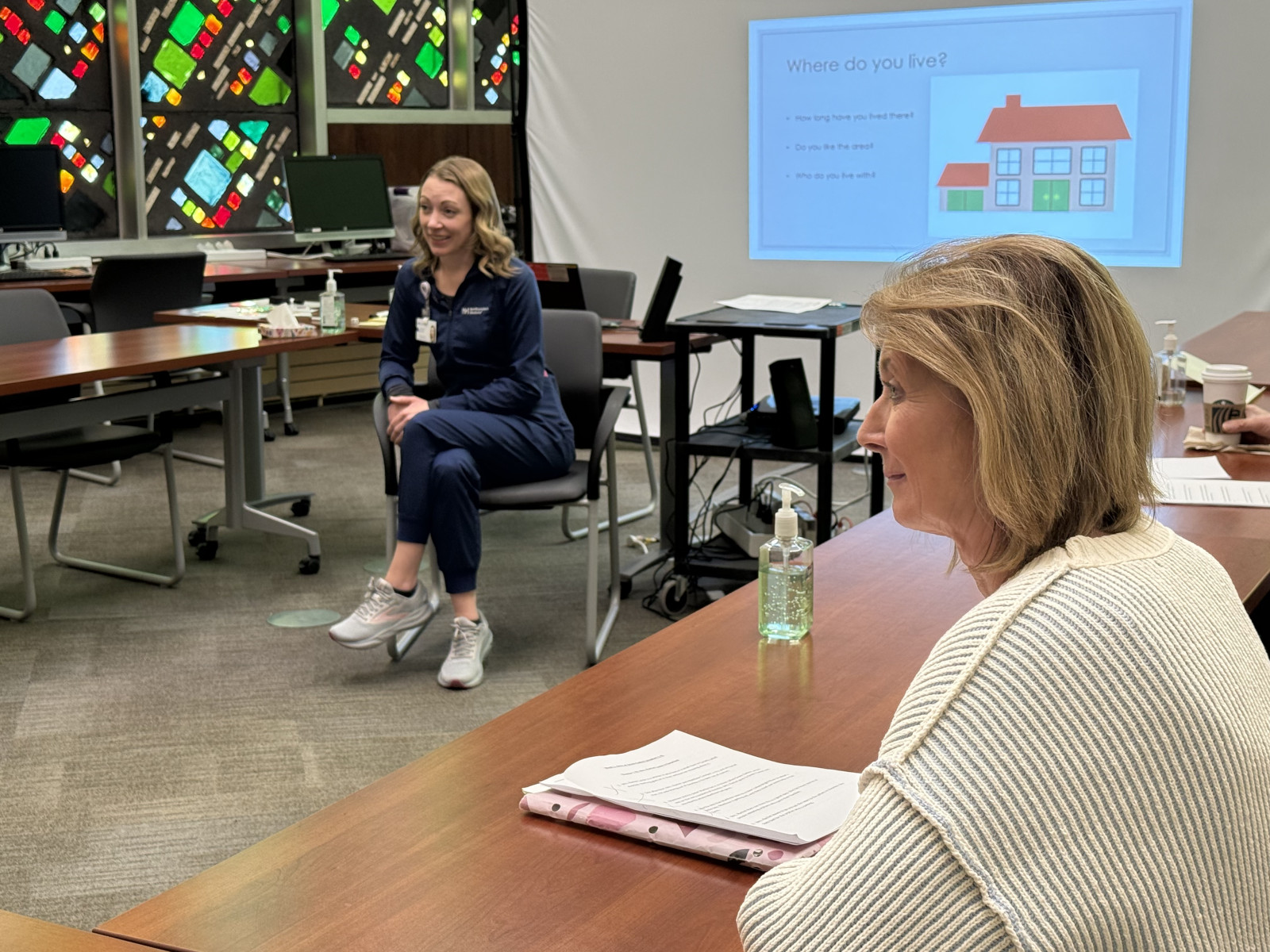
Group Activities — A speech-language pathologist leads small groups sessions where participants can practice their skills through real life activities including games, technology use, writing, books and music. These eight-week programs consist of three-hours sessions once a week. A variety of scheduling options are available.
Northwestern Medicine Marianjoy Rehabilitation Hospital is a nationally recognized specialty hospital dedicated to physical medicine and rehabilitation. The hospital provides comprehensive inpatient and outpatient rehabilitation services for individuals recovering from brain injury, stroke, spinal cord injury, orthopedic trauma, and other complex medical conditions.
Through innovative programs like the Aphasia Center, Marianjoy focuses on helping patients regain function, independence, and quality of life by addressing both physical and cognitive recovery, as well as the social and emotional aspects of healing.
Contact

|
Lauren Petty Manager, Media Relations Northwestern Medicine Health Network Central DuPage Hospital, Lake Forest Hospital, Palos Hospital, Delnor Hospital, Kishwaukee Hospital, Valley West Hospital, Marianjoy Rehabilitation Hospital, McHenry Hospital, Huntley Hospital, Woodstock Hospital, Proton Center |