

South Suburban Pastor Returns to His Ministry One Month After First-of-its-Kind Lung Cancer Surgery at Northwestern Medicine
Cytalux, an imaging agent that illuminates cancer cells, enables more precise tumor removal

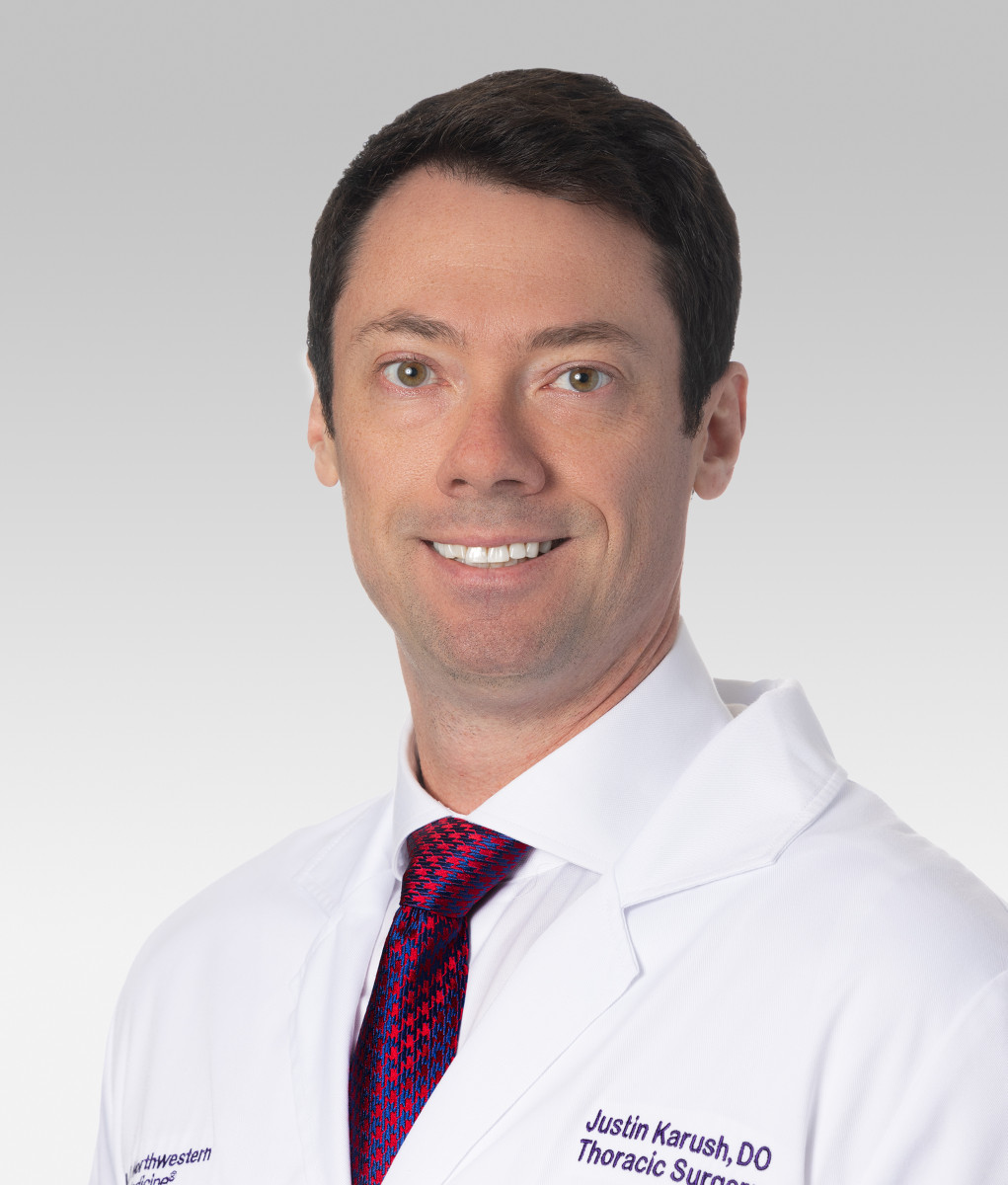
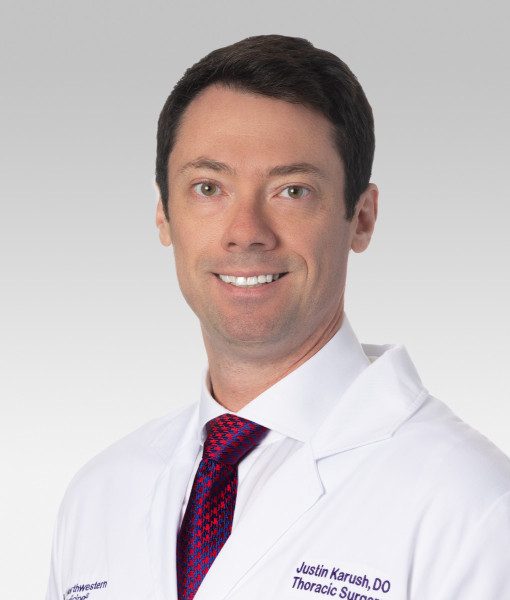
Palos Heights, Ill. - April 8, 2026 — Northwestern Medicine is now using Cytalux, an FDA‑approved imaging agent that causes cancer cells to fluoresce under near‑infrared light, helping surgeons visualize and remove cancerous tissue more precisely during lung surgery. The first procedure with Cytalux was performed by Justin Karush, DO, surgical director of the Canning Thoracic Institute at Northwestern Medicine Palos Hospital, on patient Steven Evans, a longtime pastor whose calling depends heavily on his ability to lead his congregation in prayer and song.
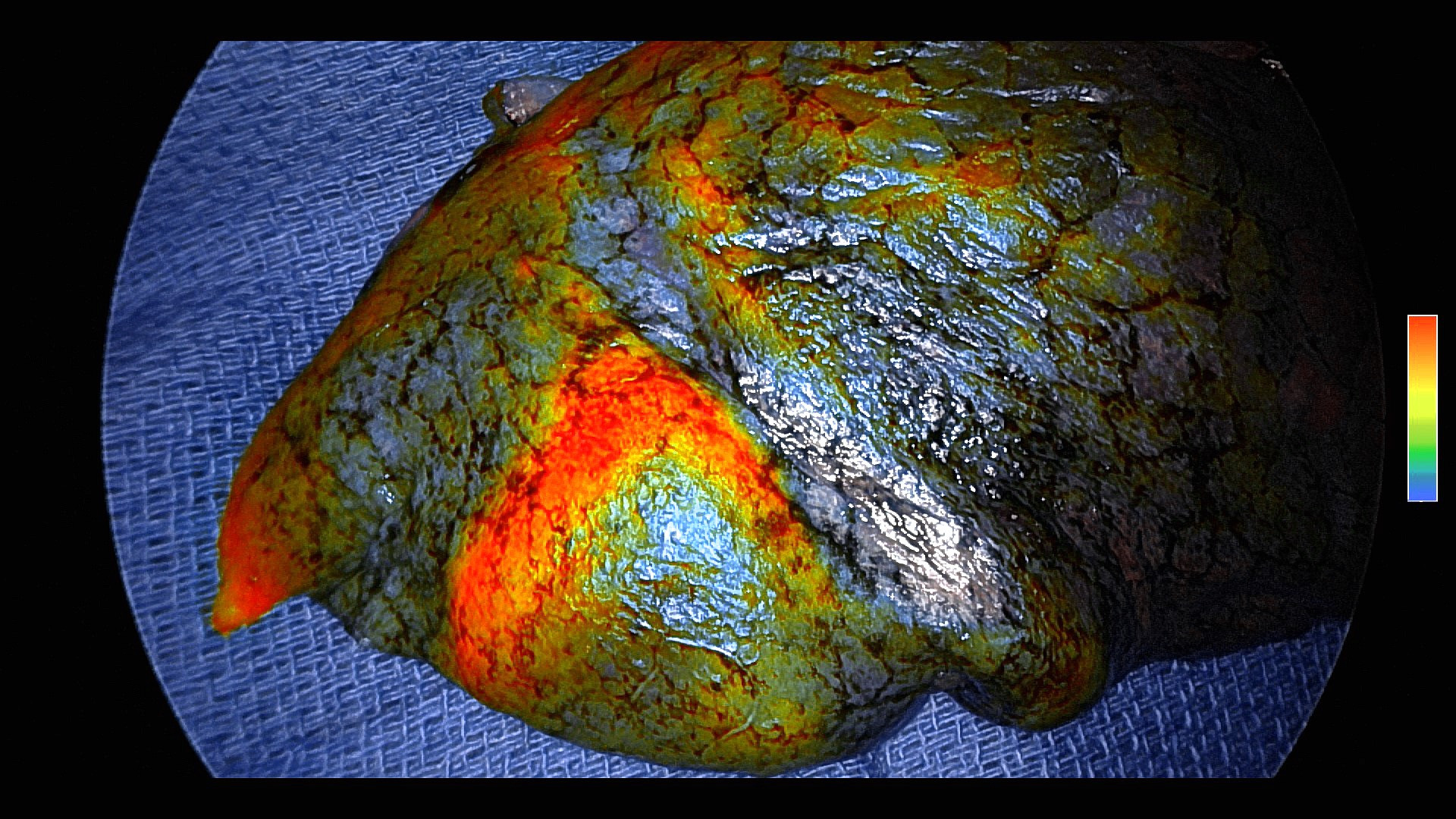
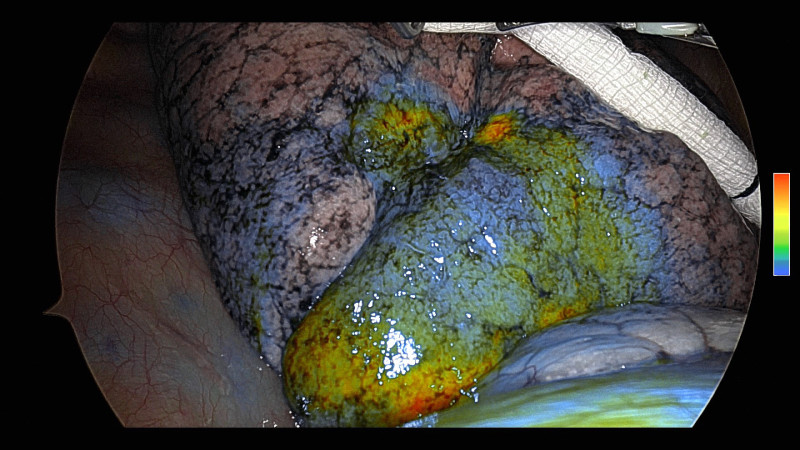
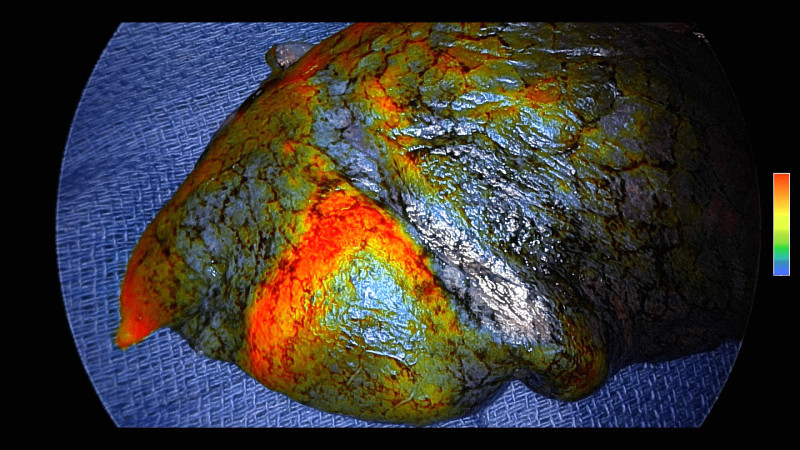
Evans recently became the first patient in the Northwestern Medicine health system to receive Cytalux (pafolacianine) as part of his lung cancer surgery. The drug, administered prior to surgery, binds to folate receptors often found in high concentrations on cancer cells. Under a specialized camera in the operating room, those cells “glow,” allowing surgeons to identify and remove areas of concern that may not be visible to the naked eye.
“This technology gives us another layer of visibility during surgery,” said Dr. Karush. “Cancer cells can hide in plain sight, especially in complex areas of the lung. Cytalux helps us see what we might have otherwise missed, allowing for a more thorough and precise removal. Being able to offer this to our patients is an exciting step forward for our entire system.”

A Pastor’s Journey: From COPD to Lung Cancer
For Steven Evans, the technology didn’t just change his surgery — it changed his life. Evans, 70, had already been feeling the impact of significant Chronic Obstructive Pulmonary Disease (COPD), when he was diagnosed with adenocarcinoma, a type of lung cancer, in his right lung in October 2025.
His case is unique in that he had severe COPD damage in his right upper lobe, but his cancer was unfortunately found in his right lower lobe. That left Evans at increased risk of respiratory dysfunction after surgery, given a procedure to remove the tumor would involve removal of a large portion of his functional right lung.
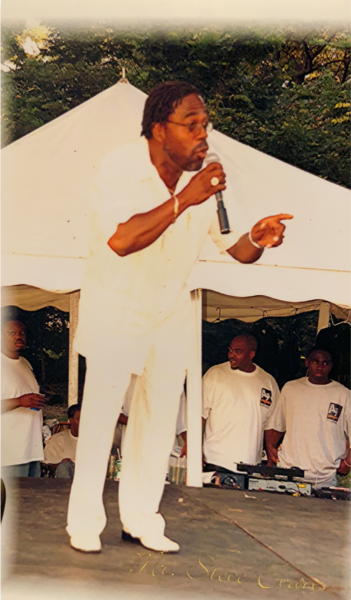
As a pastor, Evans’ responsibilities are community‑focused, from ministering to members to singing with his congregation during services. Evans expressed concern pre-operatively about his ability to sing after he fully recovered but chose to proceed with the surgery.
When Dr. Karush explained to Evans that he would like to use Cytalux for the first time, Evans welcomed its use. “Dr. Karush did an incredible job explaining it to me and I was eager to have him remove as many cancerous cells as possible,” Evans said.
How Cytalux Helped Pastor Evans
Evans underwent a successful robotic assisted right lower lobectomy. The use of Cytalux enabled Dr. Karush to determine the tumor was larger than previously identified by CT scan and he was able to adjust his surgical plan accordingly.
One month after surgery, Evans was able to fully resume all of his pastoral duties at Leap of Faith Ministry in Park Forest, including leading worship and singing alongside his congregation — a milestone that seemed uncertain before his diagnosis and surgery. During a follow-up medical appointment, Evans ended the visit with the beautiful serenade for Dr. Karush and his thoracic surgery office staff, moving some staff members to tears.
“As a pastor, my ministry is built on connection, praying with people, encouraging them, and singing during worship services,” Evans said. “The fact that I was able to return to my full pastoral duties, including singing with my congregation, is truly a blessing. I’m grateful for the care and the technology that made that possible.”
The Future Impact of Cytalux
While Cytalux has been approved for use in ovarian and lung cancer surgeries, marks the first time the drug has been used at Northwestern Medicine. Its introduction represents a significant step toward more advanced, real‑time imaging capabilities in thoracic oncology.
“Bringing new technology like Cytalux into the operating room allows us to elevate the care we’re able to provide,” added Dr. Karush. “Our goal is always to offer our patients the safest, most effective treatment options available.”
About Canning Thoracic Institute at Northwestern Medicine
The Canning Thoracic Institute (CTI) at Northwestern Medicine is a patient-centered destination for the treatment of complex thoracic and pulmonary diseases. Anchored at Northwestern Memorial Hospital, CTI is integrated throughout the health system, including Northwestern Medicine Palos Hospital.
For more information about CTI, please visit https://www.nm.org/conditions-and-care-areas/pulmonary.



Contact

|
Lauren Petty Manager, Media Relations Northwestern Medicine Health Network Central DuPage Hospital, Lake Forest Hospital, Palos Hospital, Delnor Hospital, Kishwaukee Hospital, Valley West Hospital, Marianjoy Rehabilitation Hospital, McHenry Hospital, Huntley Hospital, Woodstock Hospital, Proton Center |