

One young mother’s risk assessment with Northwestern Medicine leads to a life-saving breast cancer diagnosis
Michaela Del Barrios’s story shows the critical role high-risk breast cancer assessments play for women
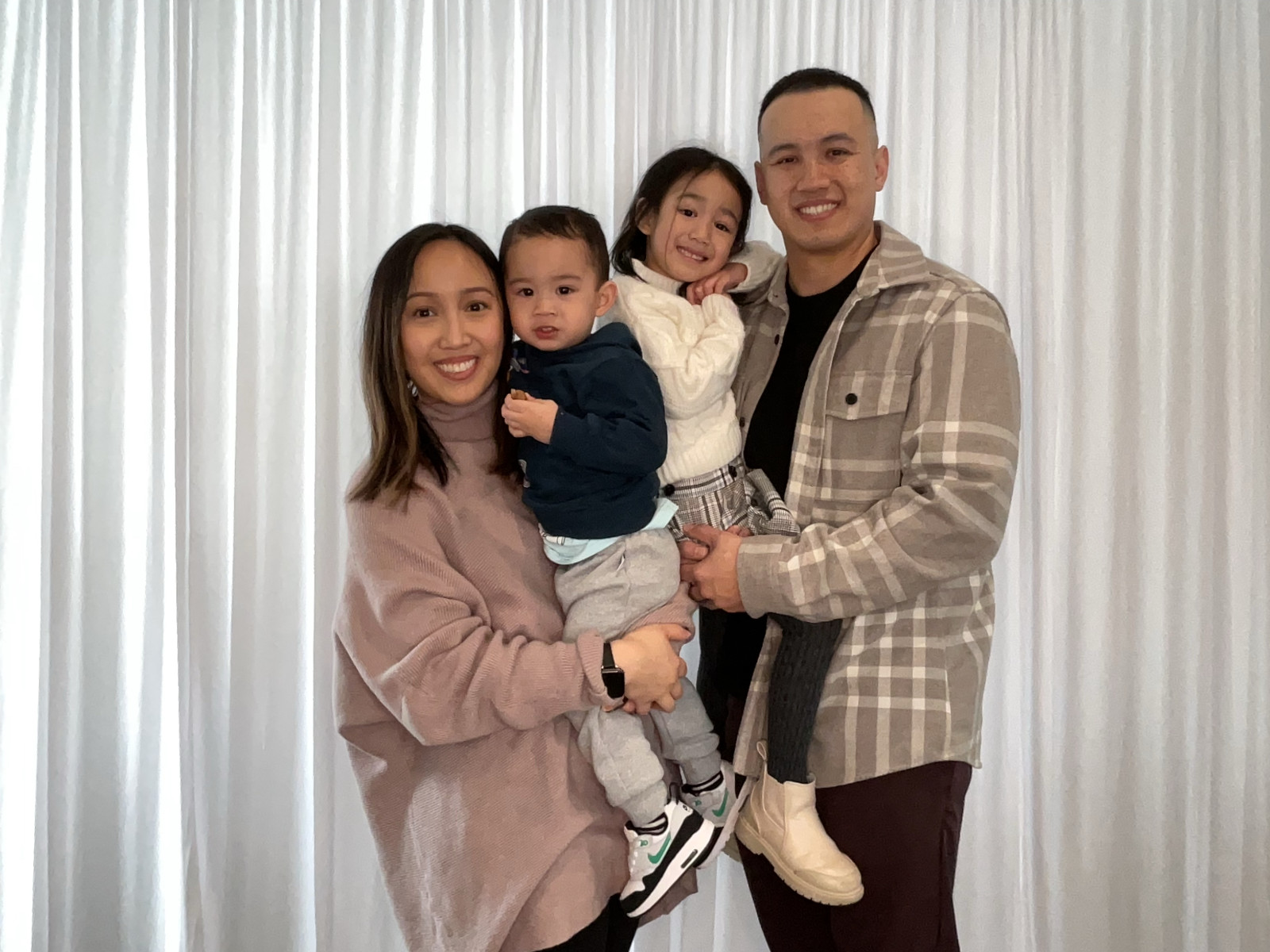
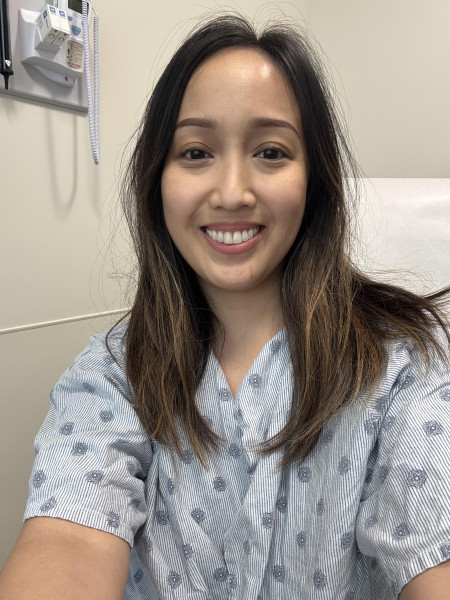
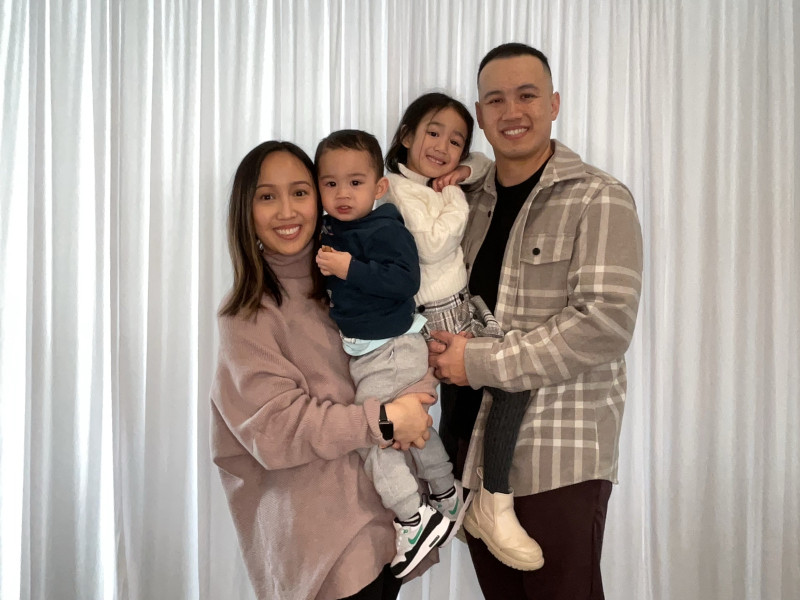
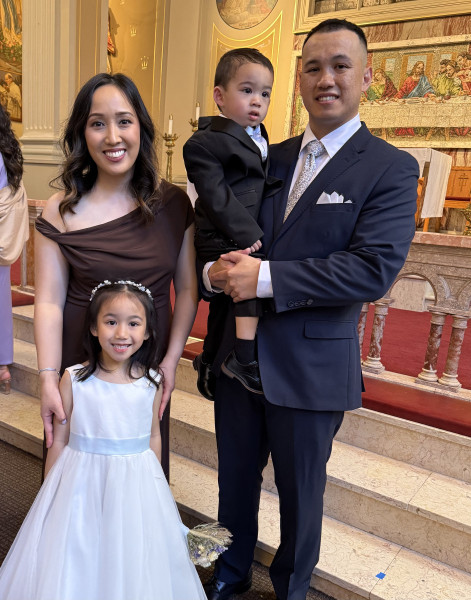
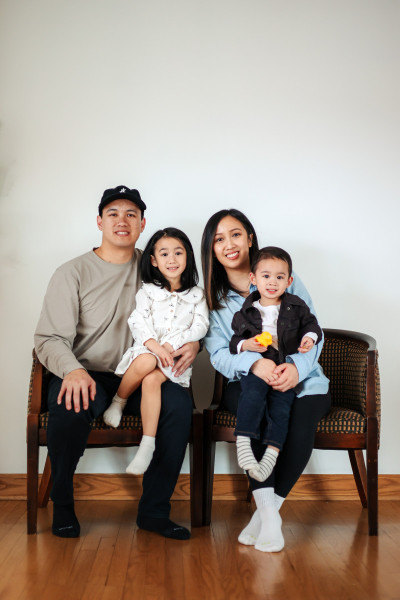
OAK BROOK, Ill. — October 27, 2025 — Breast cancer affects 1 in 8 women in their lifetime, but early detection can make all the difference. For Michaela Del Barrio, a 37-year-old mother of two from Elmhurst, Ill., a high-risk breast cancer assessment led to the diagnosis she feared—but caught early enough to change her outcome.
“I have a family history that I was aware of,” Del Barrio said. “In my 20s, I brought it up to doctors and was usually told I was too young. But I kept asking.”
After she had her second child at the age of 35, Del Barrio brought up her family history again with her OB-GYN and primary care doctor. When she finished breast-feeding her son, they ordered her first mammogram.
That scan came back clear, but they also referred Del Barrio to a high-risk breast clinic at Northwestern Medicine Oak Brook Outpatient Center.
Getting a high-risk breast cancer assessment
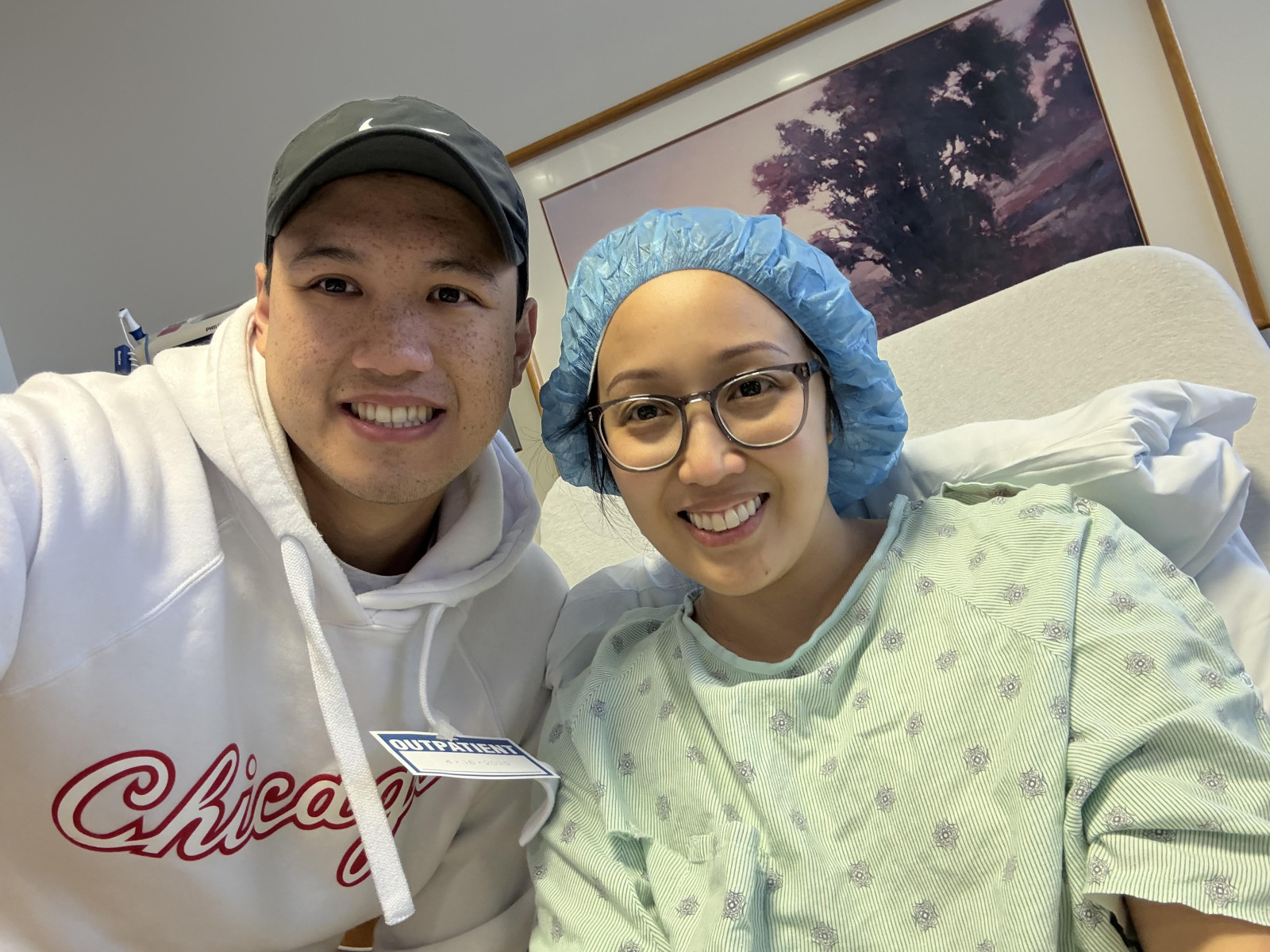
Del Barrio made an appointment to see Spring Piatek, APRN, a clinical nurse specialist, who walked Del Barrio through an assessment and physical exam.
During a patient’s visit to the high-risk breast clinic, a risk assessment will begin with a review of medical and family history, as well as a clinical breast exam. A specially trained breast health specialist will use that information and assessment tools to estimate the risk for developing breast cancer and suggest a personalized screening program. Other services including breast imaging, genetic counseling or surgery can also be advised.
The Tyrer-Cuzick risk assessment tool, used in all of Northwestern Medicine’s high-risk breast clinics, calculates a woman’s lifetime risk based on family history and other factors. A score of 20% or higher qualifies for additional screenings.
Michaela learned her lifetime risk was 22%—qualifying her for enhanced screening, including a breast MRI.
Receiving a cancer diagnosis
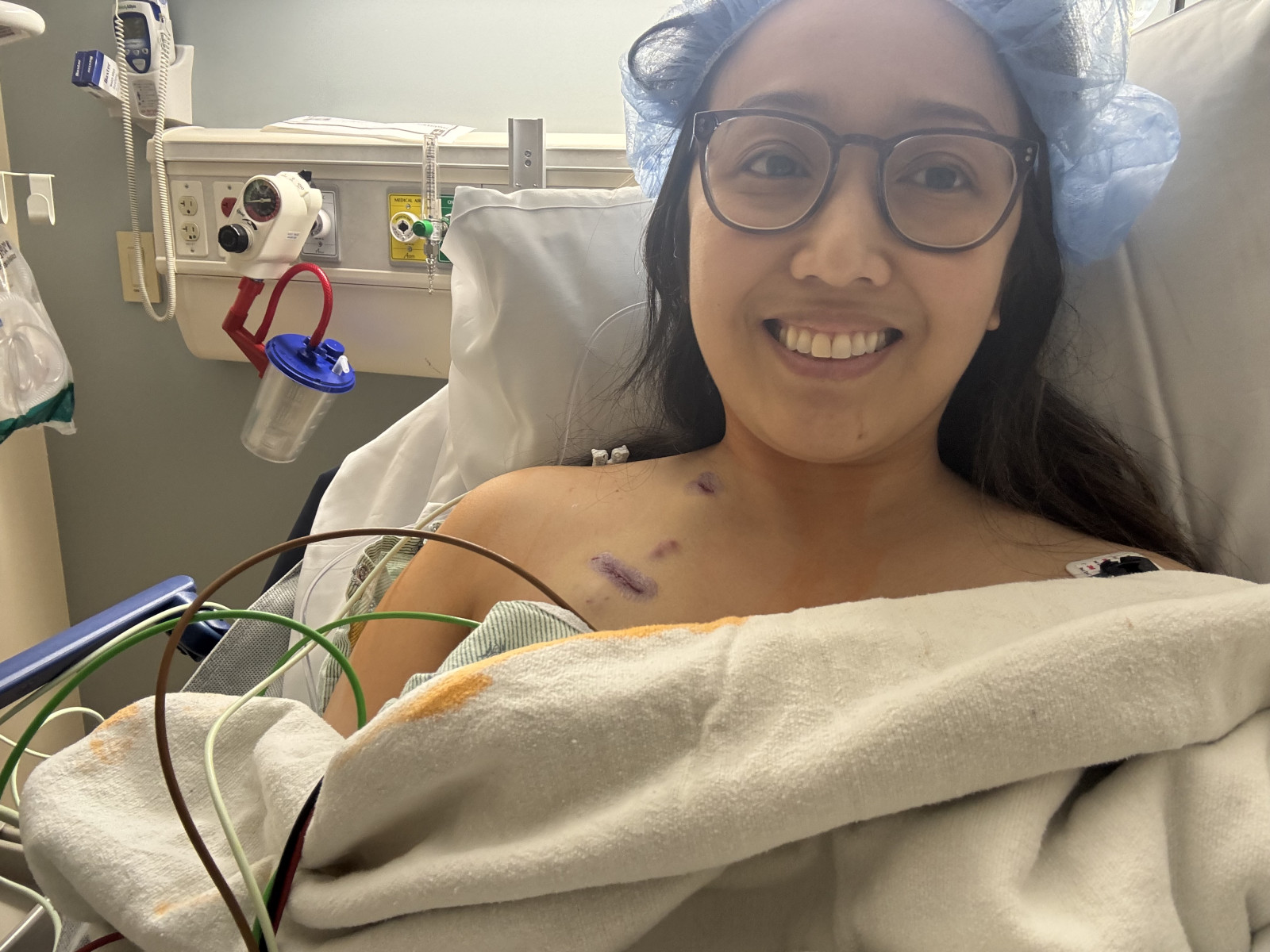
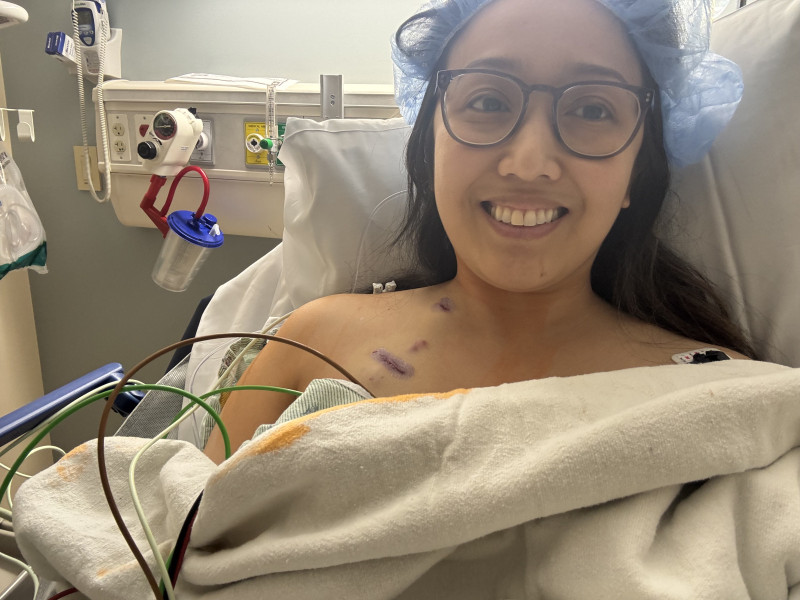
Del Barrio underwent the breast MRI in January 2025, which revealed two suspicious masses that were not detected in her mammogram eight months earlier.
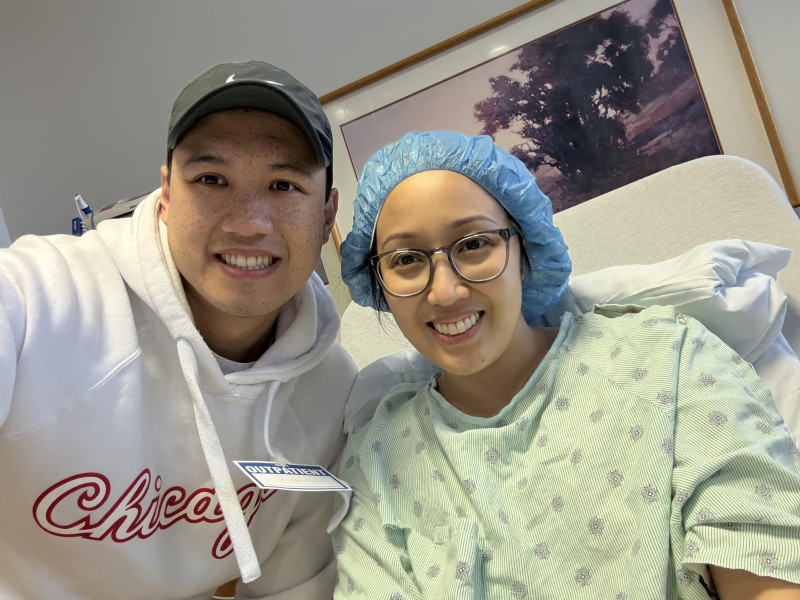
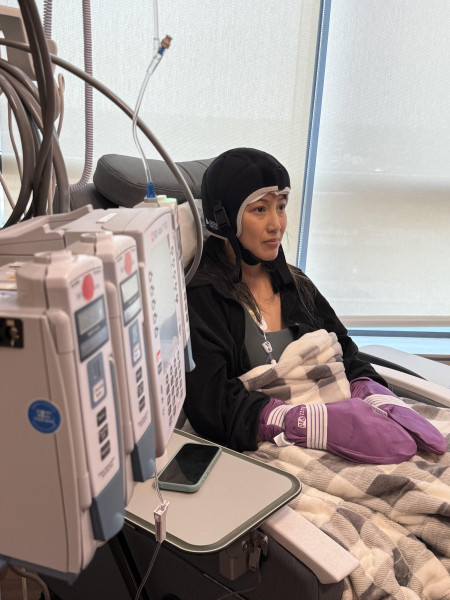
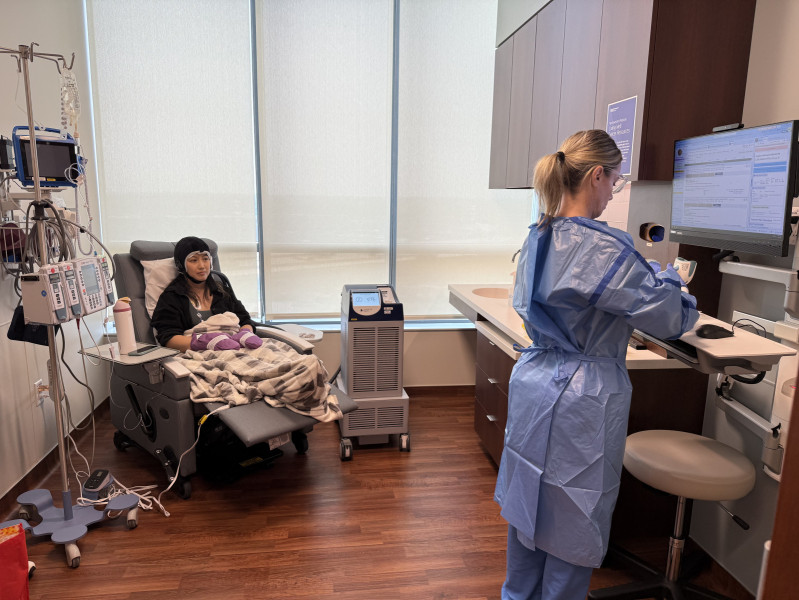
The masses were biopsied, and Del Barrio was diagnosed with early-stage invasive ductal carcinoma.
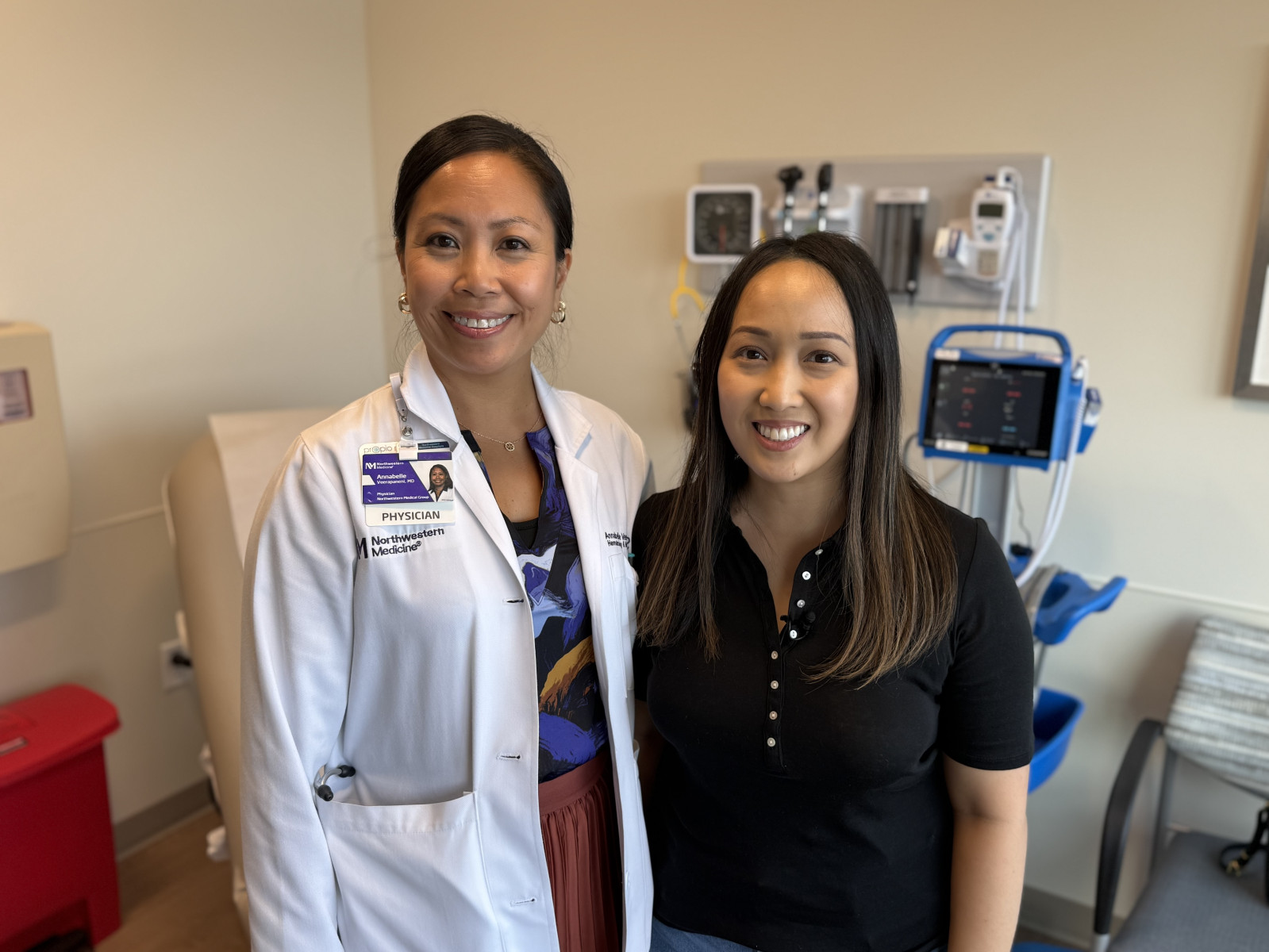
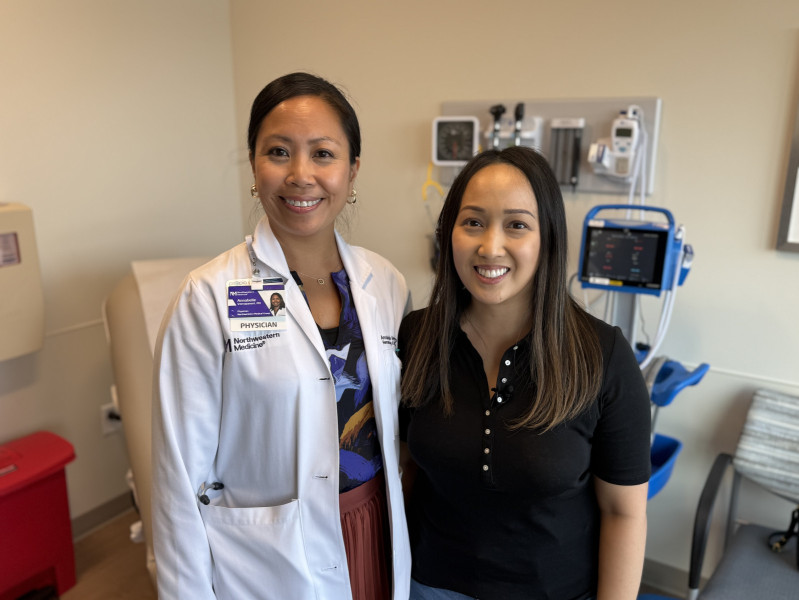
Annabelle Veerapaneni, MD, an oncologist at Northwestern Medicine Cancer Center Oak Brook says enhanced imaging through an MRI can make a difference, particularly for younger women with dense breast tissue.
“Breast imaging with an MRI is going to be much more sensitive and pick up things that a mammogram would not. Given the fact that she's premenopausal, when women are young, dense breast tissue can make it very challenging to identify lesions on a routine mammogram,” Veerapaneni said.
“When women meet the criteria for breast MRI imaging, it’s crucial they proceed with those recommendations,” she said.
Family history can lead to a high-risk assessment
Dr. Veerapaneni said it’s important for women to know their family history of cancer and other diseases.
“I have heard of instances where young women say their concerns were downplayed by other health care providers or even family members and other loved ones because they say, ‘You're too young to get it,” Veerapaneni said.
She stresses that women advocate for themselves and seek medical attention if they have concerns.
“That's the reason why we have these high-risk breast clinics,” Veerapaneni said. “Michaela did the absolute right thing. A lot of people are aware of a family history and want to make sure. Michaela recognized she was at higher risk and advocated for herself.”
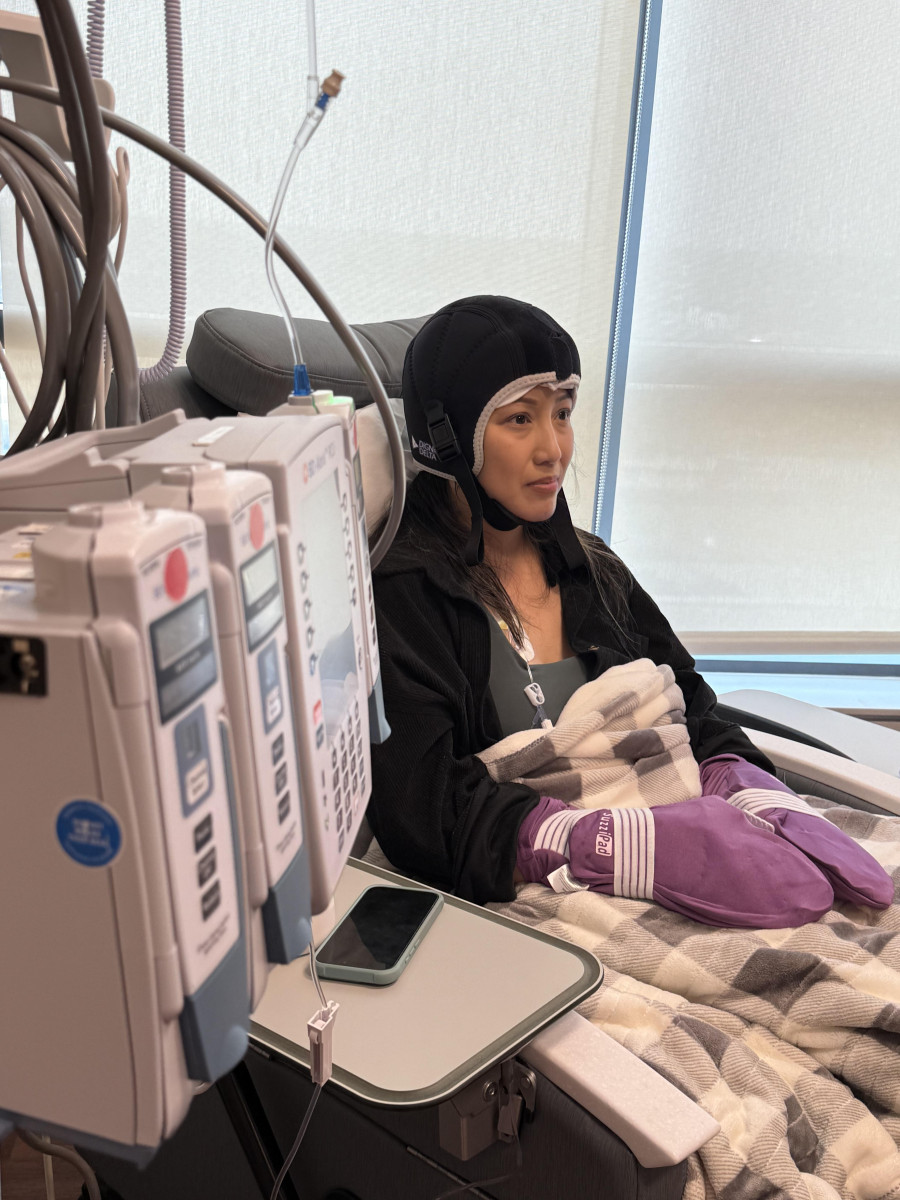
Making mom’s health a priority
Del Barrio hopes her story encourages others to act. “I’m just trying to pay it forward,” she said. “If I had waited until I was 40, I don’t even know what would have happened.”
“For women under 40 with small children, it feels like there isn’t enough time to take care of yourself,” Del Barrio said. “But the most important thing you can do for your family is to prioritize yourself.”
Northwestern Medicine Breast Health Program
To help women determine when they should be screened for breast cancer, Northwestern Medicine offers an online assessment.
By answering a few questions, you can assess your risk for breast cancer and make an appointment with a Northwestern Medicine Breast Health specialist, if necessary. For more information or to find a high risk breast clinic near you, visit the Northwestern Medicine Breast Risk Assessment and Prevention Program website.
To learn more about Northwestern Medicine, please visit nm.org.

Contact

|
Lauren Petty Manager, Media Relations Northwestern Medicine Health Network Central DuPage Hospital, Lake Forest Hospital, Palos Hospital, Delnor Hospital, Kishwaukee Hospital, Valley West Hospital, Marianjoy Rehabilitation Hospital, McHenry Hospital, Huntley Hospital, Woodstock Hospital, Proton Center |