

Oak Forest man faces two aggressive, unrelated cancers at the same time; receives multidisciplinary care at Northwestern Medicine
Research shows about five to 10 percent of people with cancer have another separate cancer occur at the same time.
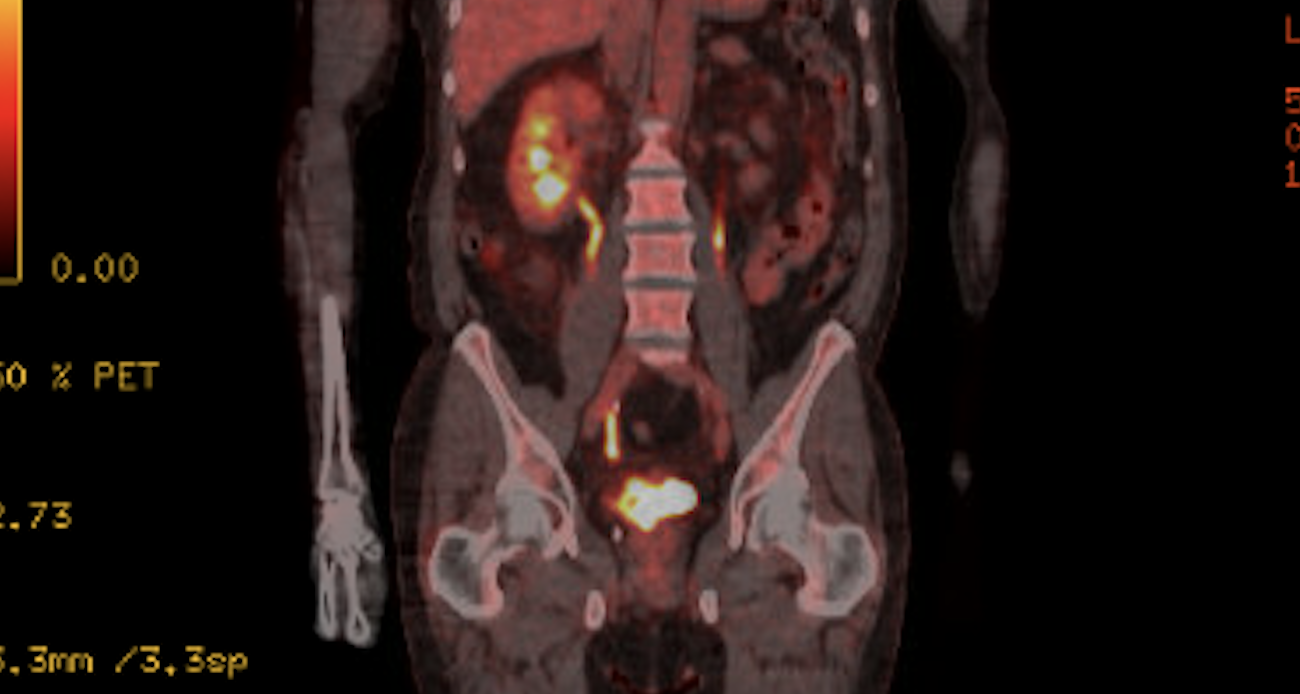
ORLAND PARK, Ill. – March 24, 2025 – William Brtis, 67, says the first sign something wasn’t right was when he noticed blood in his urine in January 2023.
Brtis went to Northwestern Medicine Palos Hospital for tests and a mass was discovered in his bladder.
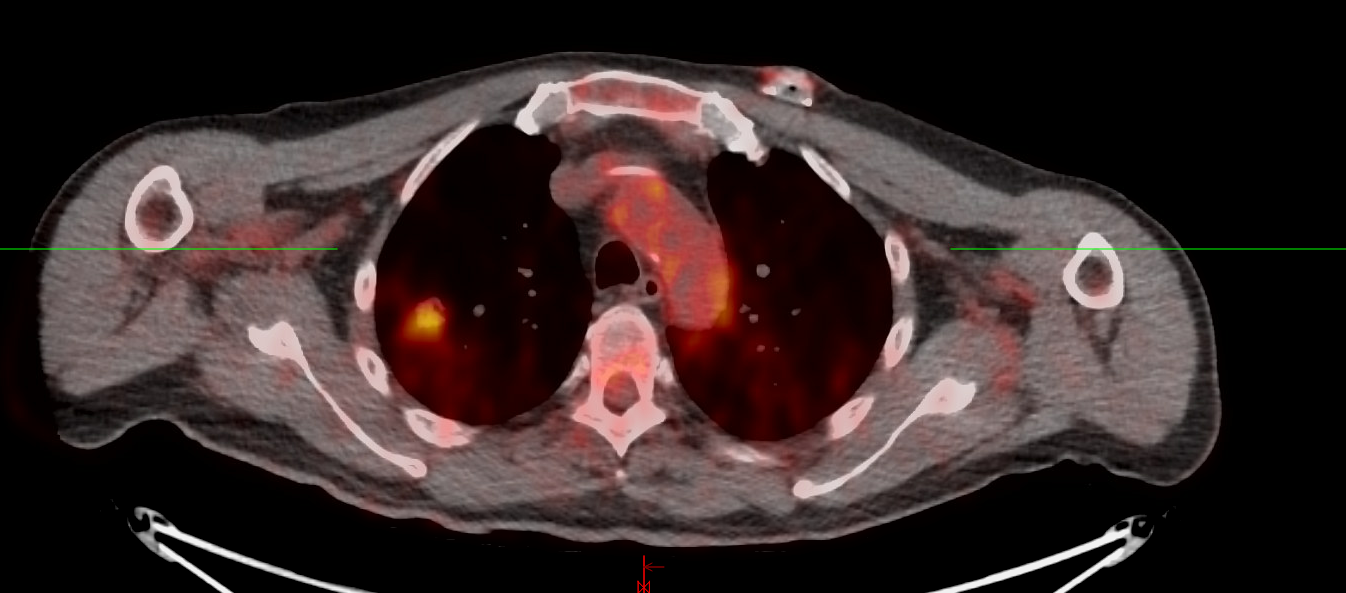
Upon further testing, pathologists diagnosed the Oak Forest man with muscle-invasive high-grade urothelial carcinoma, an aggressive form of bladder cancer. Six days later, Brtis was given another diagnosis – right lung adenocarcinoma, a form of lung cancer.
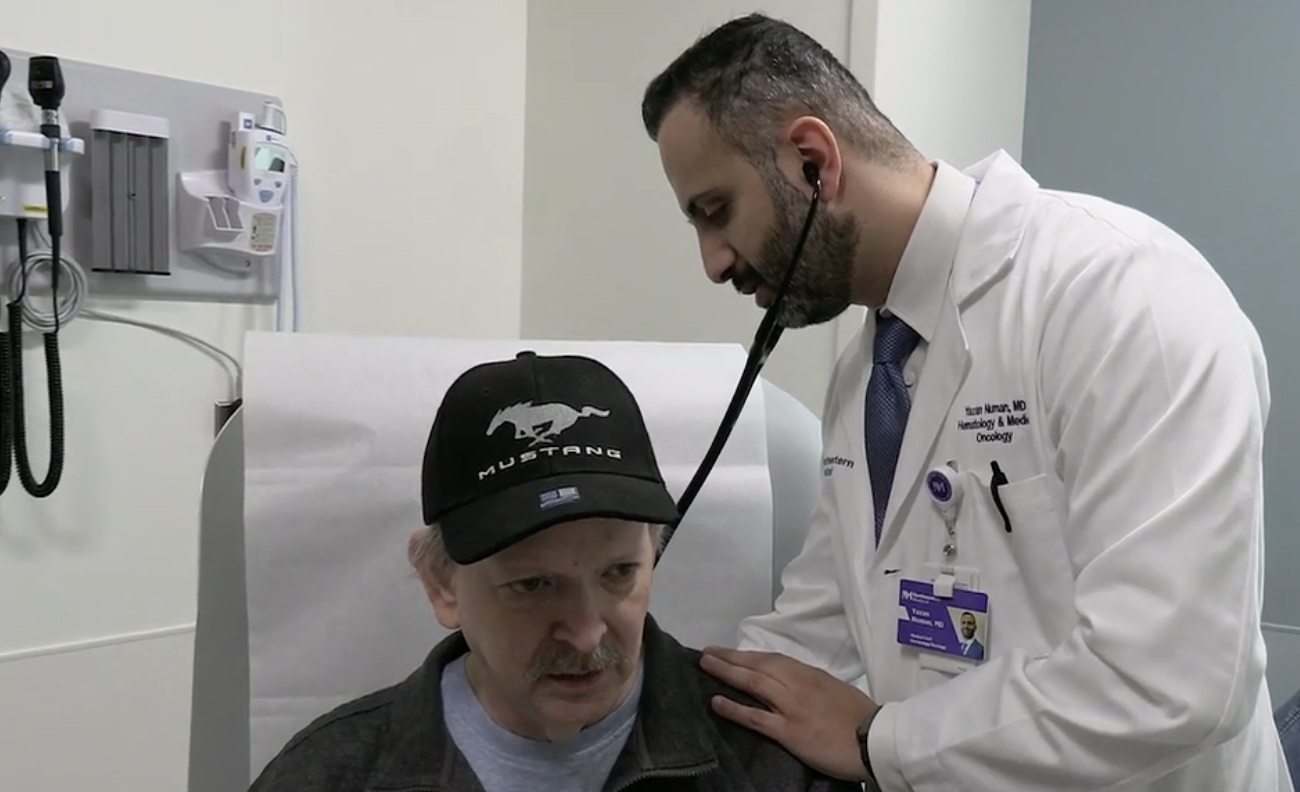
“While undergoing the work-up for the bladder cancer, we were surprised that he, at the same time, had another cancer. It was a lung cancer and that complicated things for him, because it wasn’t a straightforward case,” said Yazan Numan, MD, a medical oncologist at the Northwestern Medicine St. George Cancer Institute in Orland Park.
Two cancers at the same time
While rare, Dr. Numan says patients can have two cancers at the same time.
“Usually, from five to 10% of patients can get diagnosed with two cancers at the same time. Usually, this is due to a genetic or familial predisposition that certain types of cancers can run in the family,” Dr. Numan said.
Brtis, who has 10 siblings, wasn’t aware of any familial predisposition to cancer. A non-smoker, he said the lung cancer diagnosis hit him hard.
“They found some white spots, and it was a cancerous lesion in my lung. And that's about the only thing that scared me. It could be a death sentence, which is how I thought about it,” Brtis said.
Devising a treatment plan to cure two cancers
Brtis’ care team held multidisciplinary meetings to come up with the best course of action.
“We had multiple meetings with different doctors from different specialties. At Northwestern Medicine, we have several tumor boards for different types of cancers, and we discussed his case with many doctors to come up with the best treatment plan for him,” Dr. Numan said.
Brtis first underwent surgery to remove the mass on his bladder and then began several weeks of chemotherapy. When the treatment wasn’t progressing the way the team hoped, the decision was made to conduct surgery to remove Brtis’ bladder.
In May 2023, Joshua Meeks, MD, PhD, urologist at the Robert H. Lurie Comprehensive Cancer Center at Northwestern Memorial Hospital, performed a successful cystoprostatectomy, the removal of the bladder and the prostate.
With the bladder cancer cured, treating the lung cancer was next
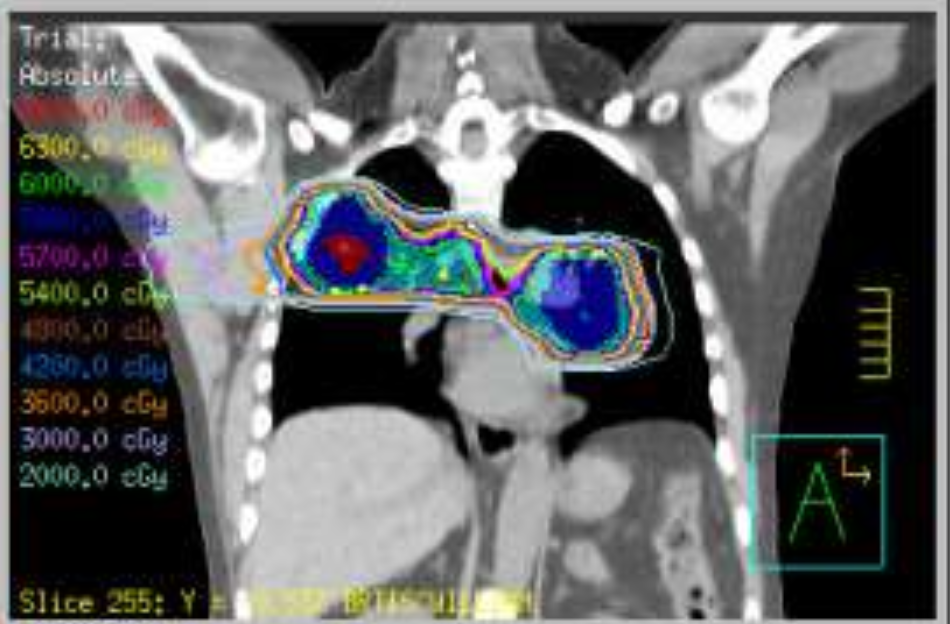
After recovering from surgery, in August 2023, Brtis began a regimen that included both chemotherapy and daily radiation treatments for his lungs.
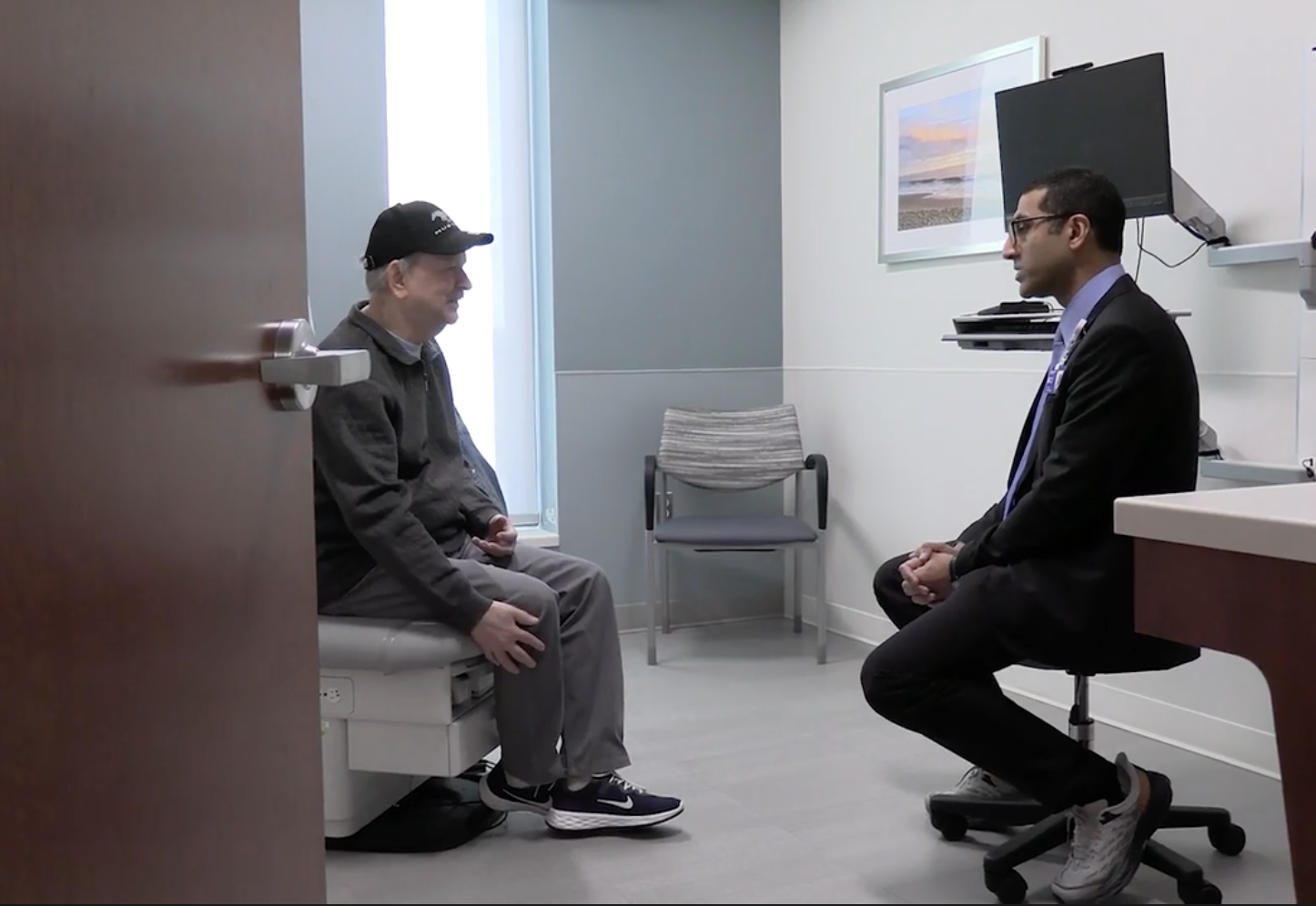
Haider Ali Shirazi, MD, medical director of radiation oncology at the St. George Cancer Institute collaborated with Dr. Numan to determine Brtis’ treatment plan.
“He was treated with intensity-modulated radiation therapy,” Dr. Shirazi said. “It allows the radiation oncologist to make sure we minimize the doses to certain organs and maximize the dose to the tumor, while minimizing side effects at the same time.”
Cancer treatments don’t have to put life on hold
From the beginning, Brtis told his care team that he would like to continue working, if possible. A forklift operator, Brtis works second shift, unloading trucks at RJW Logistics in Lockport.
Even as he underwent five weeks of daily radiation treatments and weekly chemotherapy infusions, Brtis surprised his care team by working the entire time.
“I was teasing the nurses about it, saying, ‘You're not putting chemo in me. You're putting water in me,’ because nothing was bothering me at all,” Brtis said.
Brtis experienced minimal side effects from the chemotherapy. His only hair loss came in the form of his eyelashes, which have since grown back.
“It's really a testament to William how well he tolerated such intense treatment. It never got his spirits down. He was always very friendly despite having to come in for daily treatments for almost six weeks, and everyone got to know him and got to love him,” Dr. Shirazi said.
Every tool in the cancer toolkit
In early 2024, Brtis began immunotherapy treatments, another tool in the cancer toolkit.
He was scheduled to continue the weekly therapy until September 2024, but scans taken in June showed the lung cancer lesions were gone, allowing the immunotherapy treatments to be halted early. Brtis is now cancer-free.
“William received every tool available to us. He had surgery and received chemotherapy, radiation and immunotherapy. Lastly, he has been on a treatment to prevent cancer recurrence that targets a certain mutation of his cancer. And that's how we ended up with a successful outcome,” Dr. Numan said.
“I am so happy that he's doing well. It's almost a year and a half since he completed his radiation treatment. He basically has no side effects from his lung cancer treatment. He’s been able to adapt to the consequences of his cystoprotatectomy, the removal of the bladder and the prostate, and he hasn't let it hold him back at all,” Dr. Shirazi said.

About Northwestern Medicine Cancer Care
With the exception of the cystoprostatectomy, Brtis was able to receive all his cancer care less than 20 minutes from his Oak Forest home at Northwestern Medicine Palos Hospital and Northwestern Medicine St. George Cancer Institute.
The Orland Park cancer center offers hematology and medical oncology care, laboratory services, nutritional counseling and social work. A full-service infusion suite and specialty pharmacy provide onsite chemotherapy, immunotherapy, targeted therapy and supportive care. New cancer therapies are now available in the south suburbs through participation in clinical trials, before these treatments become more widely available.
For more information about the Northwestern Medicine St. George Cancer Institute, visit nm.org.
Contact

|
Lauren Petty Manager, Media Relations Northwestern Medicine Health Network Central DuPage Hospital, Lake Forest Hospital, Palos Hospital, Delnor Hospital, Kishwaukee Hospital, Valley West Hospital, Marianjoy Rehabilitation Hospital, McHenry Hospital, Huntley Hospital, Woodstock Hospital, Proton Center |