Northwestern University MBA graduate’s hearing improved with cochlear implants
According to a Northwestern Medicine research letter, less than five percent of potential candidates in the Chicagoland area receive cochlear implants

CHICAGO – Sept. 18, 2024 - While cochlear implants have been around since the mid-1980s to improve hearing, a vast majority of the eligible population does not have one. A recent research letter published in JAMA Otolaryngology-Head & Neck Surgery, co-authored by Kevin Zhan, MD, director of Northwestern Medicine’s Cochlear Implant Program, found that less than five percent of potential candidates in the Chicagoland area have received a cochlear implant.
Until recently, Sabur Ajao was one of them.
Ajao’s hearing issues began after high school. He initially used hearing aids, but his hearing continued to decline as he moved to the United States for graduate school. As a student at the Northwestern University Kellogg School of Management, he found that hearing aids were no longer sufficient for his needs.
“What I didn’t realize about hearing aids is that they also amplify unnecessary sounds,” said Ajao. “This often led to headaches from prolonged conversations and background noise, causing me to avoid unnecessary interactions.”
He was referred to Lindsay Kandl, AuD, audiologist at Northwestern Medicine. Kandl determined Ajao was a good candidate for cochlear implants, with only 20 percent hearing in his left ear and 22 percent in his right ear.
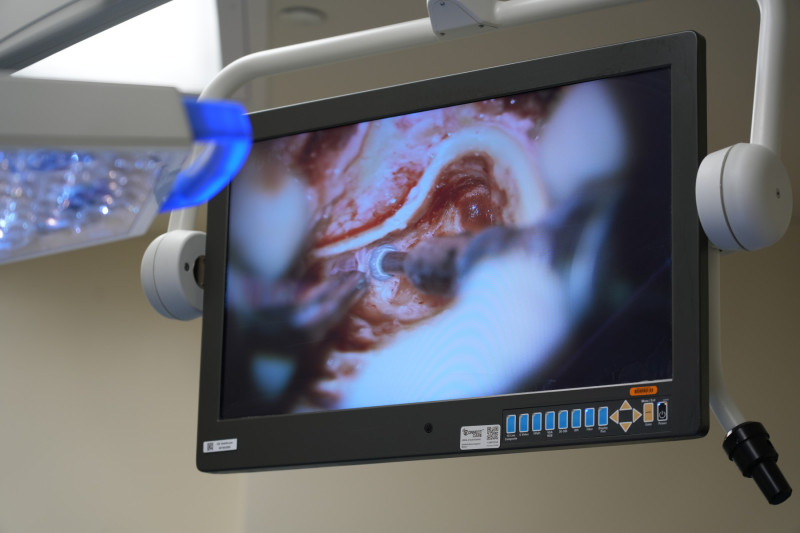
“The cochlear implant is an electrode that is placed into the cochlea during an outpatient surgical procedure,” said Alan Micco, MD, Chief, Section of Otology and Neurotology at Northwestern Medicine. “The electrodes replace the hair cells, the tiny little cells in the cochlea that pickup vibrations so that we can hear. We are repairing the organ by putting this electrode in. The electrode then stimulates the nerve and patients can hear again."

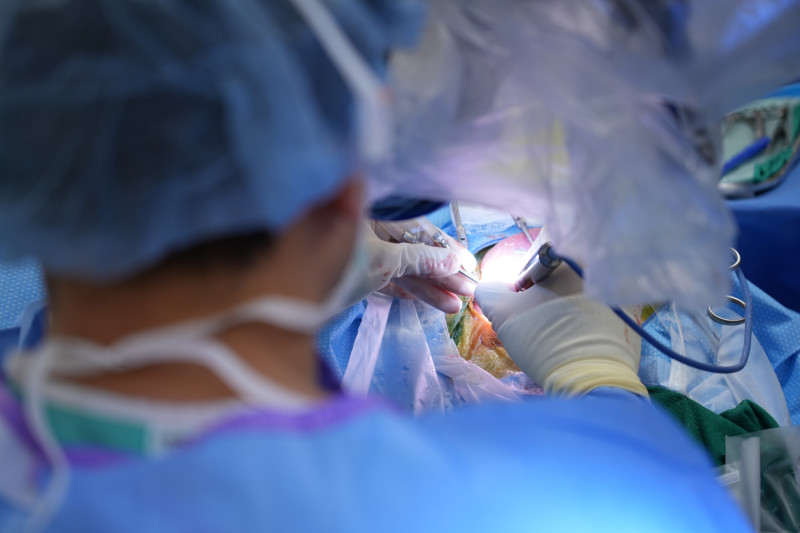
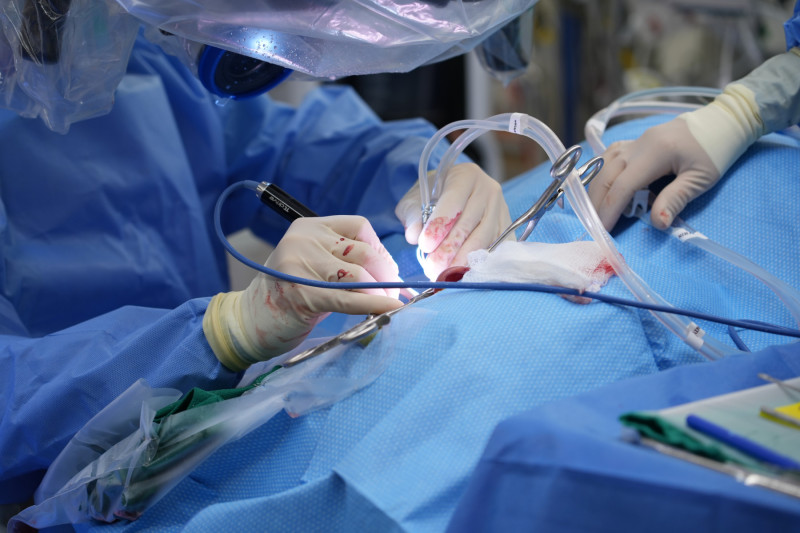
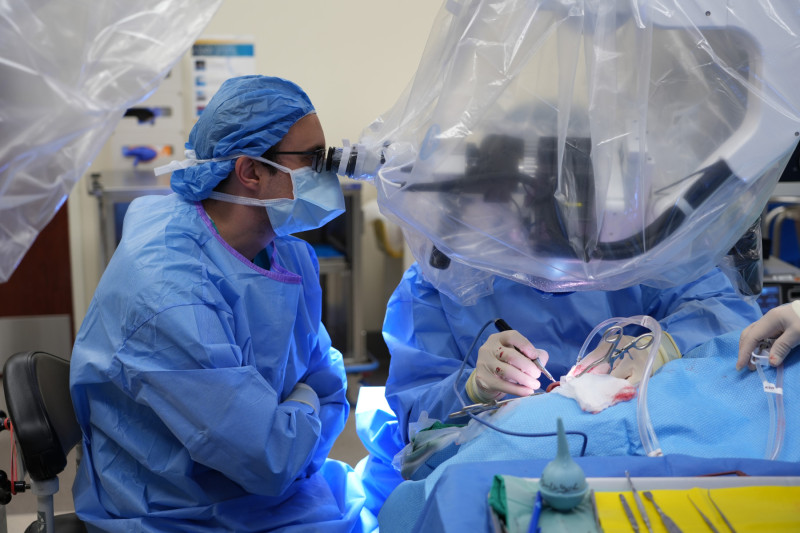
To install a cochlear implant, surgeons make an incision just behind the ear and open the mastoid bone to create a path to get underneath the eardrum and expose the cochlea to place the cochlear implant. The surgery takes about an hour. Patients return 10 days later to get their processor to start stimulating the implant. And about 10-12 days after surgery, patients are starting to learn how to hear again.
“We typically tell patients that it can take about six months before they hit a nice plateau to see where they’re at,” Dr. Micco said. “But Sabur was day one off the charts. The first day he got his processor on, he was asking when he could get the other ear done. Most patients nowadays with hearing loss will eventually get the second side if the hearing is poor on the other side because binaural hearing is just like your vision. If you close one eye, you lose depth perception. There is depth to hearing as well.”
For Ajao, the improvement was life changing. He recalls a friend noticing the change when he could immediately respond to a joke.
“Understanding and responding to jokes instantly was a new experience for me,” Ajao said. “I told my friend, ‘The difference now is I can get your jokes immediately and respond right away.’”
Ajao had his first cochlear implant surgery in his left ear four months before a summer internship at a major consulting firm in downtown Chicago. His hearing improved to 60-70 percent in his left ear. He later received a second implant in his right ear in August 2023. After graduating with his MBA in Winter 2024, he started working full-time at the firm where he had interned.
"Anything I say would be an understatement,” Ajao said about the impact of cochlear implants. “I really cannot compare what it used to be to what I have now. It’s like comparing going somewhere on a horse to flying on a plane. It’s just different.”
For more information or to make an appointment with a Northwestern Medicine otolaryngologist, call 312-695-8182 or visit nm.org.