

Northwestern Medicine Unveils Upgraded Mobile Stroke Unit, Delivering Life-Saving Care to Residents in the Western Suburbs
The rig, equipped with enhanced technology and operated by staff at Northwestern Medicine Central DuPage Hospital, can deliver faster, more efficient stroke care, improving outcomes
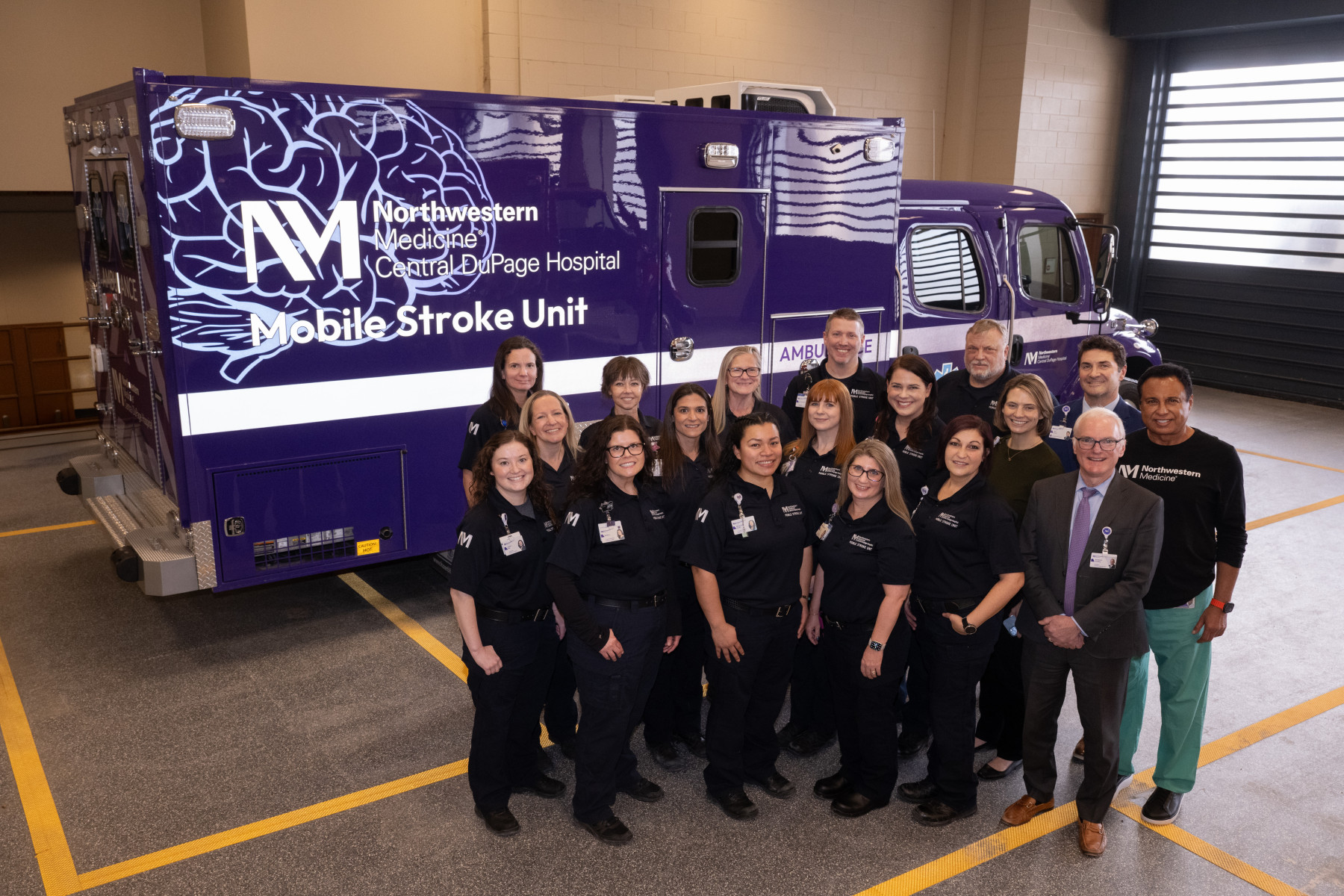
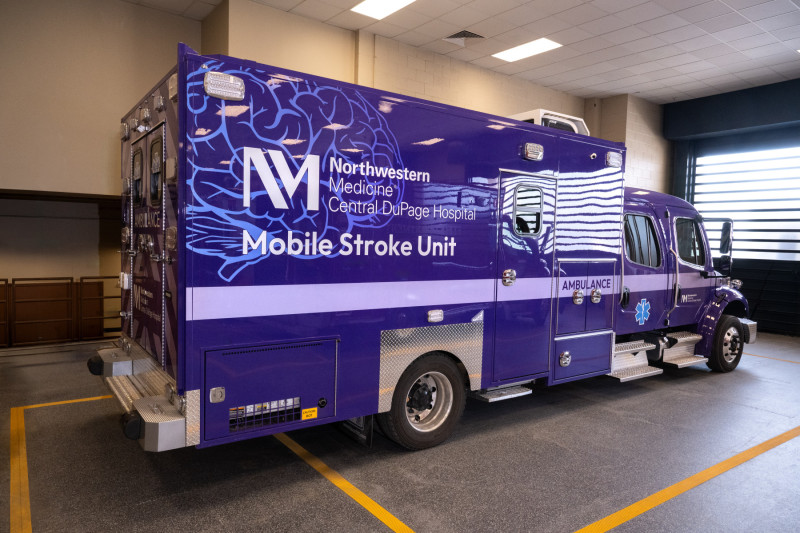
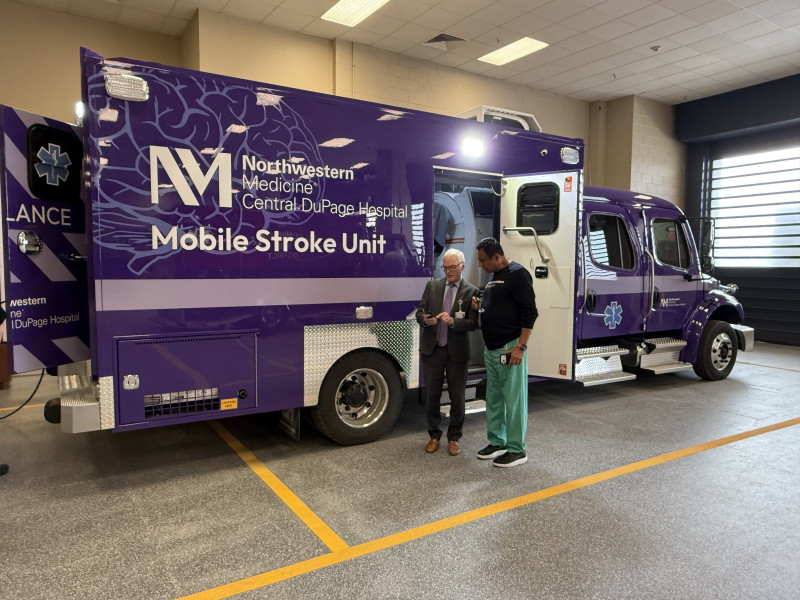
Winfield, Ill. – March 19, 2026 – When a stroke happens, every minute matters. To further enhance its stroke response, Northwestern Medicine Central DuPage Hospital has upgraded its Mobile Stroke Unit (MSU), unveiling a new state-of-the-art rig that brings life-saving stroke care to 20 west suburban communities.
The Mobile Stroke Unit is a specialized ambulance equipped with the personnel, equipment, and imaging capability to diagnose and treat stroke patients in a pre-hospital setting. In January 2017, Northwestern Medicine launched the MSU, collaborating with emergency medical services (EMS) to deliver advanced stroke care in the field.
In June 2025, the Northwestern Medicine MSU received a stroke certification from DNV, a worldwide accrediting body aimed at advancing safety and setting industry benchmarks. The Northwestern Medicine MSU accreditation is the second certification of its kind in the world.
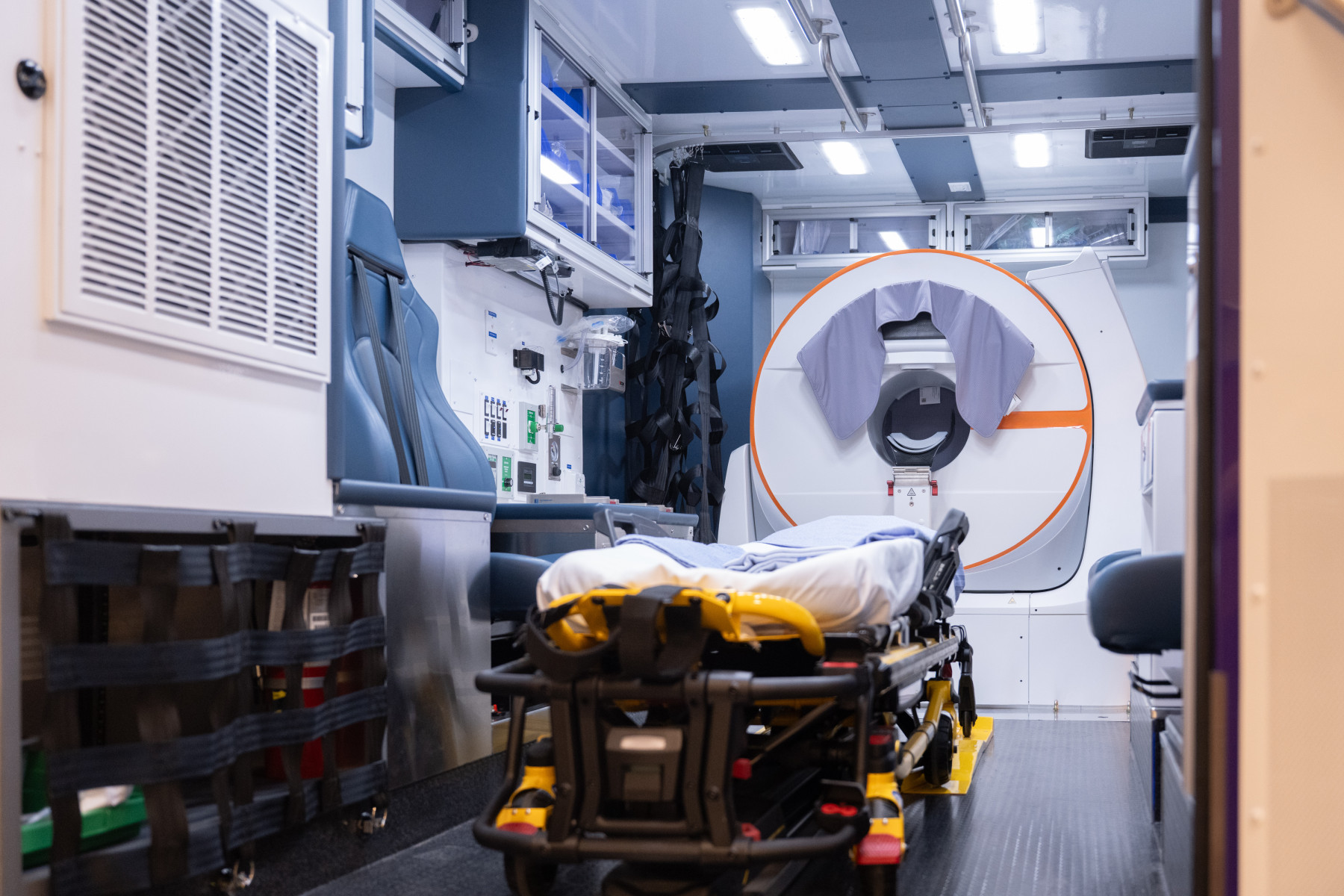
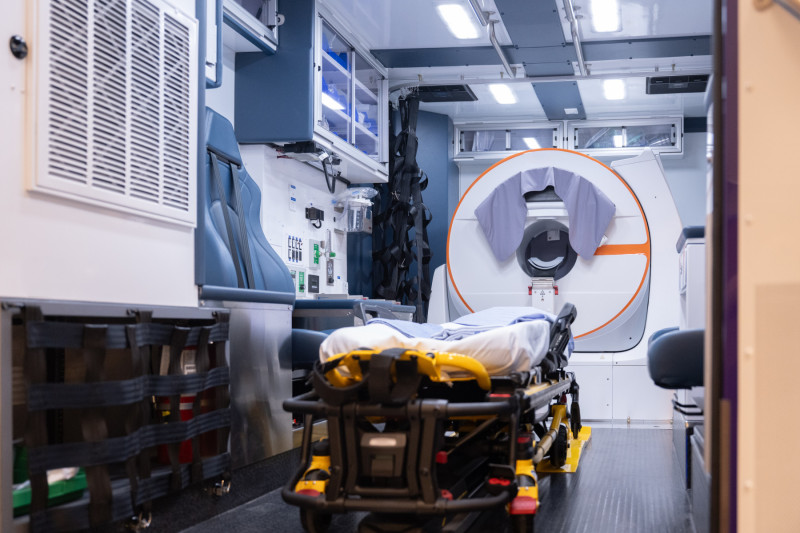
Building on that success, Northwestern Medicine’s new custom-designed vehicle is significantly upgraded with more reliable technology, enhanced safety features, and smaller dimensions to better navigate narrow streets. Among the enhancements is a 32-slice, self-contained CT scanner that delivers high-resolution imaging with faster, more advanced scans.
“Having a 32-slice CT scanner on board is a game-changer because it allows for an immediate and accurate diagnosis in the field,” said Harish Shownkeen, MD, medical director of the Stroke and Neurointerventional Surgery Programs at Northwestern Medicine Central DuPage Hospital. “Once we’ve determined the type of stroke a patient is experiencing – whether it’s an ischemic or hemorrhagic stroke – then we can administer life-saving treatment, all before reaching the hospital.”
From wedding guest to stroke survivor
For Bill Riley, Jr., remembering his experience inside the original Mobile Stroke Unit is difficult, but its impact on his life is undeniable.
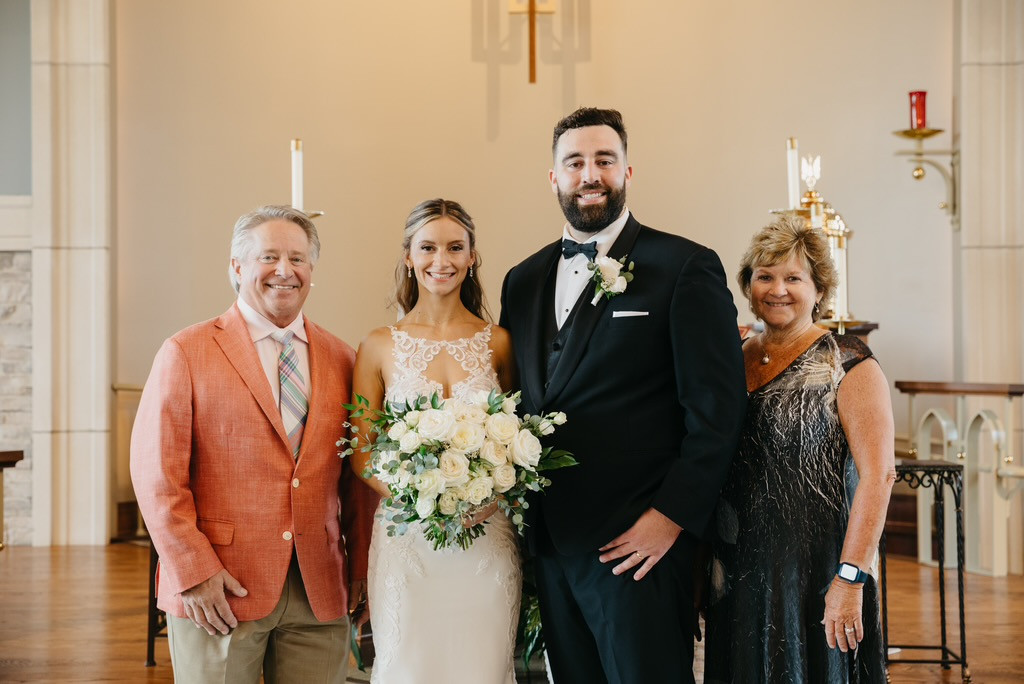
In July 2024, Bill and his wife Bridget were in the western suburbs for their nephew’s wedding. Bill loaded their truck and walked into the hotel to let Bridget know it was time to drive home to Des Moines, Iowa.
Shortly after entering the elevator, Bill’s right arm froze. As he leaned against the wall unsteadily and disoriented, the elevator doors opened and friends Scott and Jeannie walked in. Recognizing the signs of a stroke, Jeannie alerted the front desk employee to call 911.
Emergency responders arrived quickly. Suspecting Bill was having an ischemic stroke, they performed a stroke assessment and confirmed the need for the Northwestern Medicine MSU to continue to the scene.
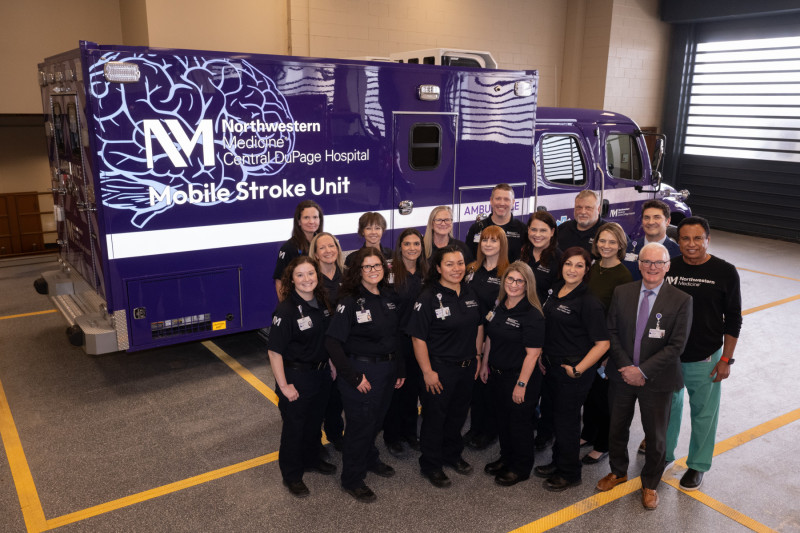
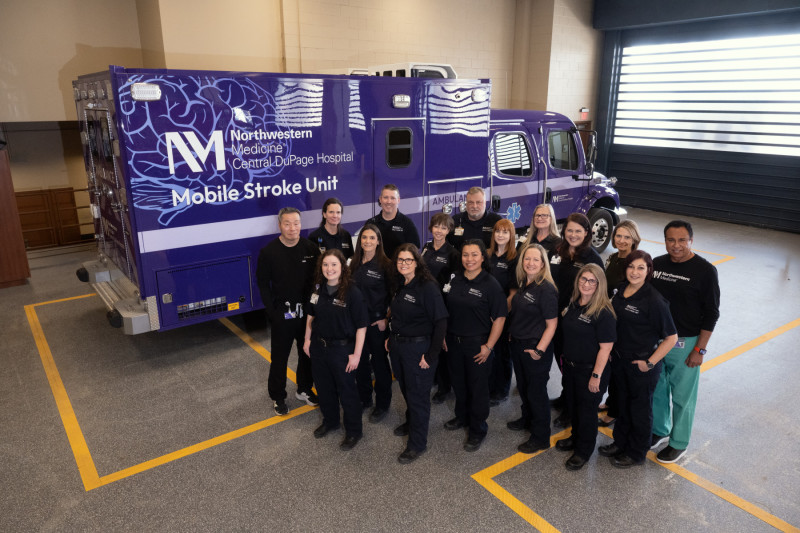
The MSU team is comprised of a critical care nurse, a CT technician, an emergency medical technician driver and a critical care paramedic. A Northwestern Medicine neurologist and radiologist support the onboard team via audio and video link.
The team remained in constant communication with hospital staff, and by the time Bill arrived at Central DuPage Hospital, the surgical team was assembled and ready. He estimates that less than two hours passed from the moment he entered the MSU to when he woke up from surgery in the hospital’s recovery area.
“I am incredibly grateful that this happened in a community where the hospital system has a mobile stroke unit. I fear that I would not have recovered as well as I have, or worse, I may not have survived the stroke if it weren’t for the quick response,” Bill explained.
How the MSU makes a difference when minutes matter
For patients treated in the MSU, the time from dispatch to thrombolytic therapy, which is when clot-busting medication is administered for ischemic strokes, averages 47 minutes, compared to 83 minutes via EMS. This translates to a nearly 35-minute quicker response.
Stroke occurs when blood flow to the brain is interrupted. When this happens, brain cells in the immediate area stop getting the oxygen and nutrients they need to function and begin to die.
The longer blood flow is blocked, the greater the damage. Certain treatments for stroke must be administered within a tight window, and if too much time passes, irreversible damage to the brain tissue can occur.
By receiving treatment in the MSU, a patient may experience less brain damage, a greater chance of full recovery, and a reduced risk of long-term disability or death.
“With the MSU, we are getting a more than 35-minute head start by essentially bringing the emergency room to the patient,” said Dr. Shownkeen. “Patients who are treated early are more likely to go home from the hospital instead of to a nursing home or rehabilitation facility.”
Recognizing the signs of a stroke
Every year, nearly 800,000 people in the United States have a stroke – one every 40 seconds, according to the U.S. Centers for Disease Control and Prevention.
Experts, including Dr. Shownkeen, recommend learning about stroke symptoms and sharing the B. E. F. A. S. T. acronym as a way to identify and respond to the signs.
- B - Balance: Sudden loss of balance or coordination
E - Eyes: Sudden vision changes, double vision, or blindness in one eye
F - Face: Drooping on one side of the face, difficulty smiling or showing teeth
A - Arm: Weakness or numbness in one arm
S - Speech: Slurred speech, difficulty speaking, or understanding language - T - Time: Call 911 immediately if you or someone you know experiences these symptoms
While stroke is the fifth leading cause of death in Illinois and the leading cause of serious long-term disability, Bill is in good health today and credits the quick response time for his recovery. He considers himself fortunate to be walking, talking, driving, and enjoying semi-retirement.
“I am grateful to Jeannie for realizing what was happening and taking immediate action, and I am indebted to the ‘angels’ on the Mobile Stroke Unit who started treatment quickly and continuously collaborated with specialists at the hospital. Their response impacted my recovery and quality of life today,” says Bill.
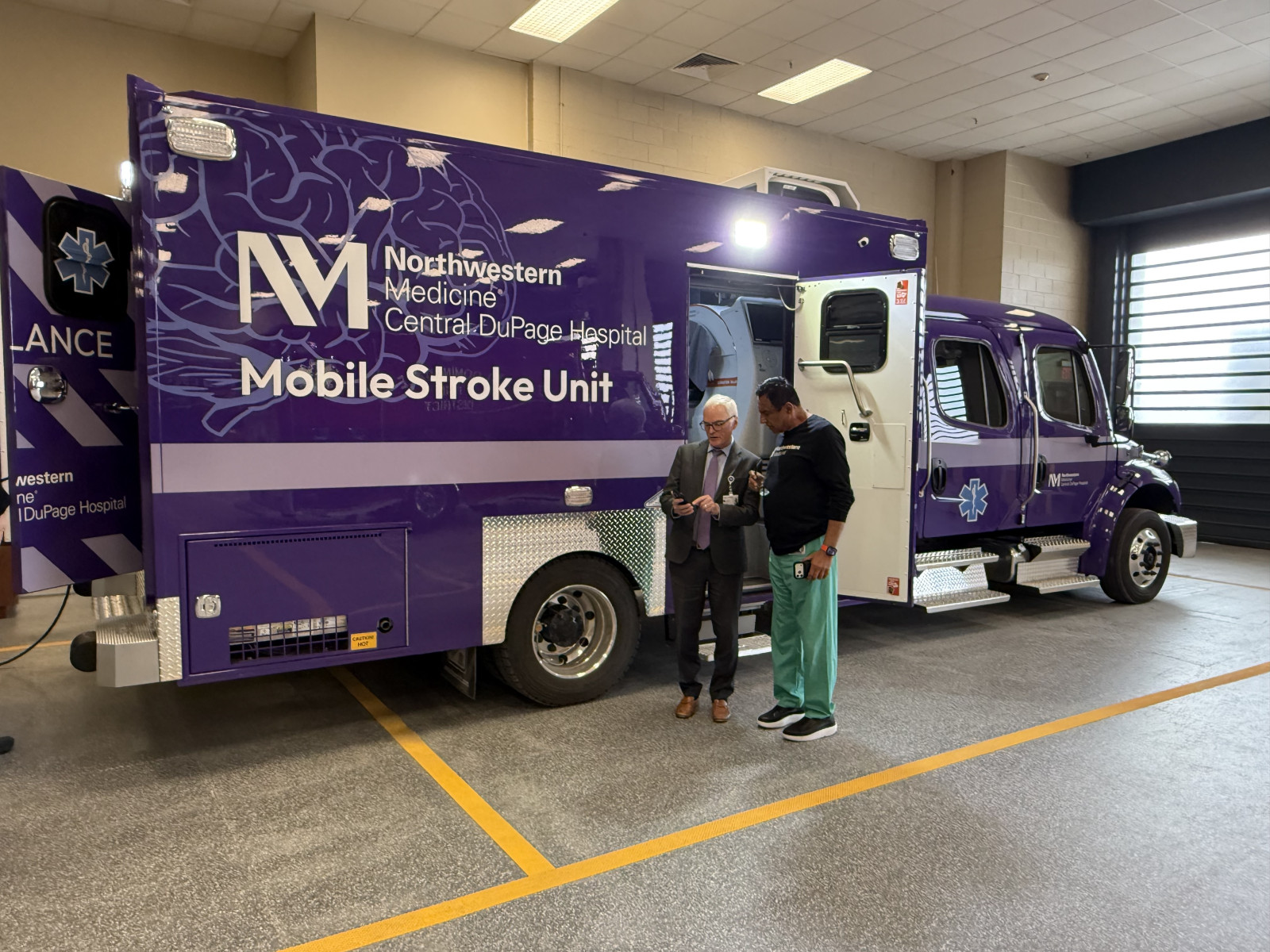
Northwestern Medicine Mobile Stroke Unit at Central DuPage Hospital
Every year, Northwestern Medicine Central DuPage Hospital’s MSU deepens its impact by improving outcomes and saving more lives. In 2017, when the original MSU debuted, 166 patients were treated in the rig. In 2025, 507 people received critical care in the MSU.
Northwestern Medicine’s original MSU was fitted with a 16-slice CT scanner compared to units in other cities that were capable of eight slices. The new unit is customized with a 32-slice CT scanner and other cutting-edge tools and technologies for rapid assessment and immediate care.
Operating from 8 a.m. to 8 p.m., 365 days a year, the MSU covers 138 square miles throughout the western suburbs. The MSU can be directly dispatched by 9-1-1 to patients within the hospital’s Emergency Medical Services (EMS) area, which includes Carol Stream, Bartlett, Glen Ellyn, Glenside, Hanover Park, Roselle, Warrenville, West Chicago, Wheaton and Winfield.
Designated intercept sites have been established to serve the people of St. Charles, Geneva, Batavia, Elburn, Big Rock, Sugar Grove, South Elgin, North Aurora, Fermilab and Fox River/Countryside. In these communities, EMS personnel transports patients to the intercept sites to meet the MSU where Northwestern Medicine trained staff can provide the most efficient stroke care.
Northwestern Medicine Central DuPage Hospital has earned the Advanced Comprehensive Stroke Center designation by The Joint Commission. The highest level of stroke certification, this designation recognizes the significant resources in staff, training and state-of-the-art infrastructure that comprehensive stroke centers must have to treat complex cases.
Contact

|
Lauren Petty Manager, Media Relations Northwestern Medicine Health Network Central DuPage Hospital, Lake Forest Hospital, Palos Hospital, Delnor Hospital, Kishwaukee Hospital, Valley West Hospital, Marianjoy Rehabilitation Hospital, McHenry Hospital, Huntley Hospital, Woodstock Hospital, Proton Center |