

Northwestern Medicine Research Shows Multi-Disciplinary Treatment Improves Survival and Quality of Life for Older Patients with Brain Cancer
Dave Mason, 86, a patient included in the research, continues to live at home with his wife nearly four years after his glioblastoma diagnosis
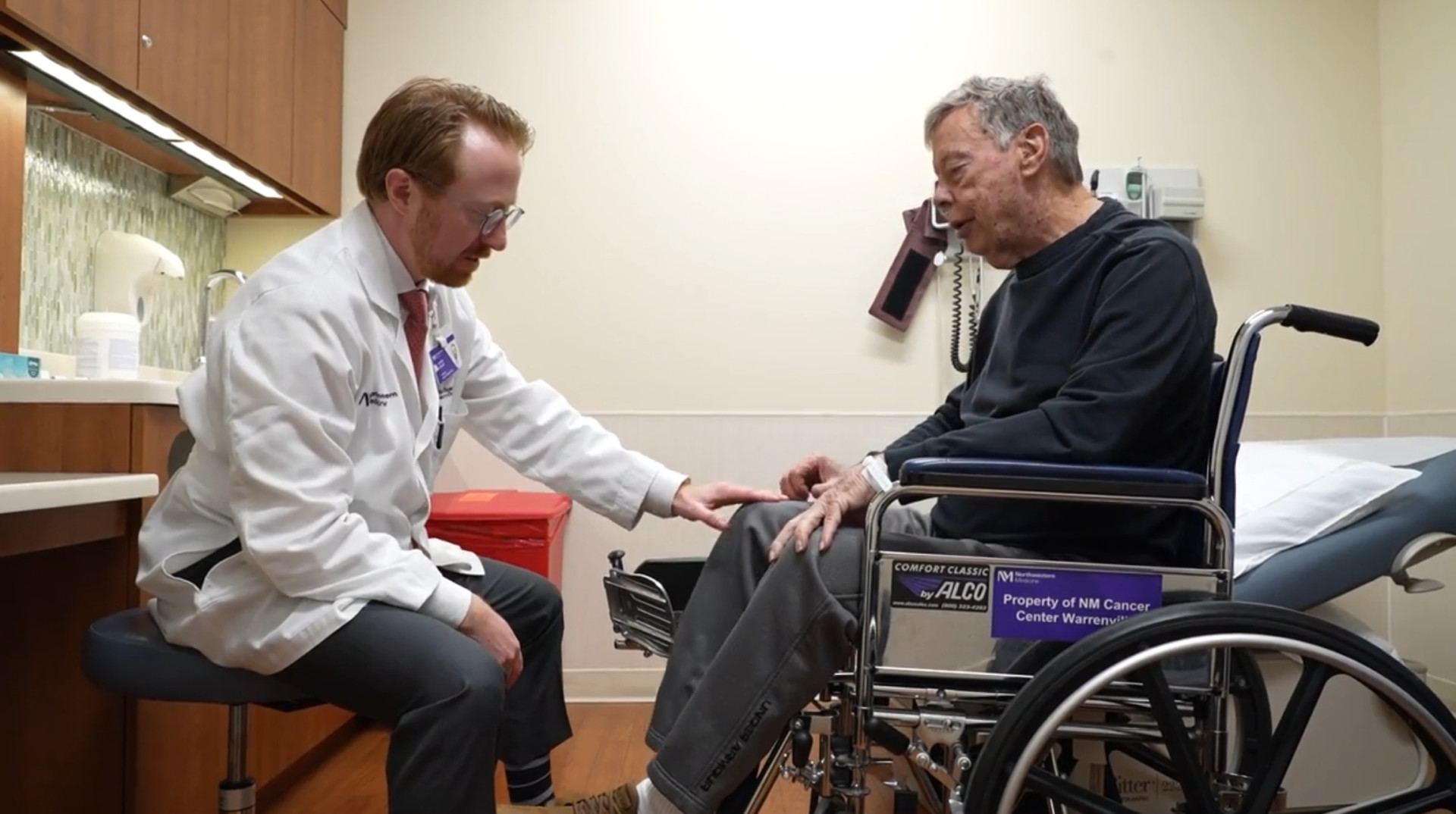
Warrenville, Ill. – June 30, 2026 — Northwestern Medicine researchers have published new findings that challenge long held assumptions about treating older adults diagnosed with glioblastoma, one of the most aggressive forms of brain cancer. The study, published in March in the Journal of Neuro-Oncology, demonstrates that elderly patients who undergo aggressive, multidisciplinary treatment can experience meaningful survival and maintain quality of life.
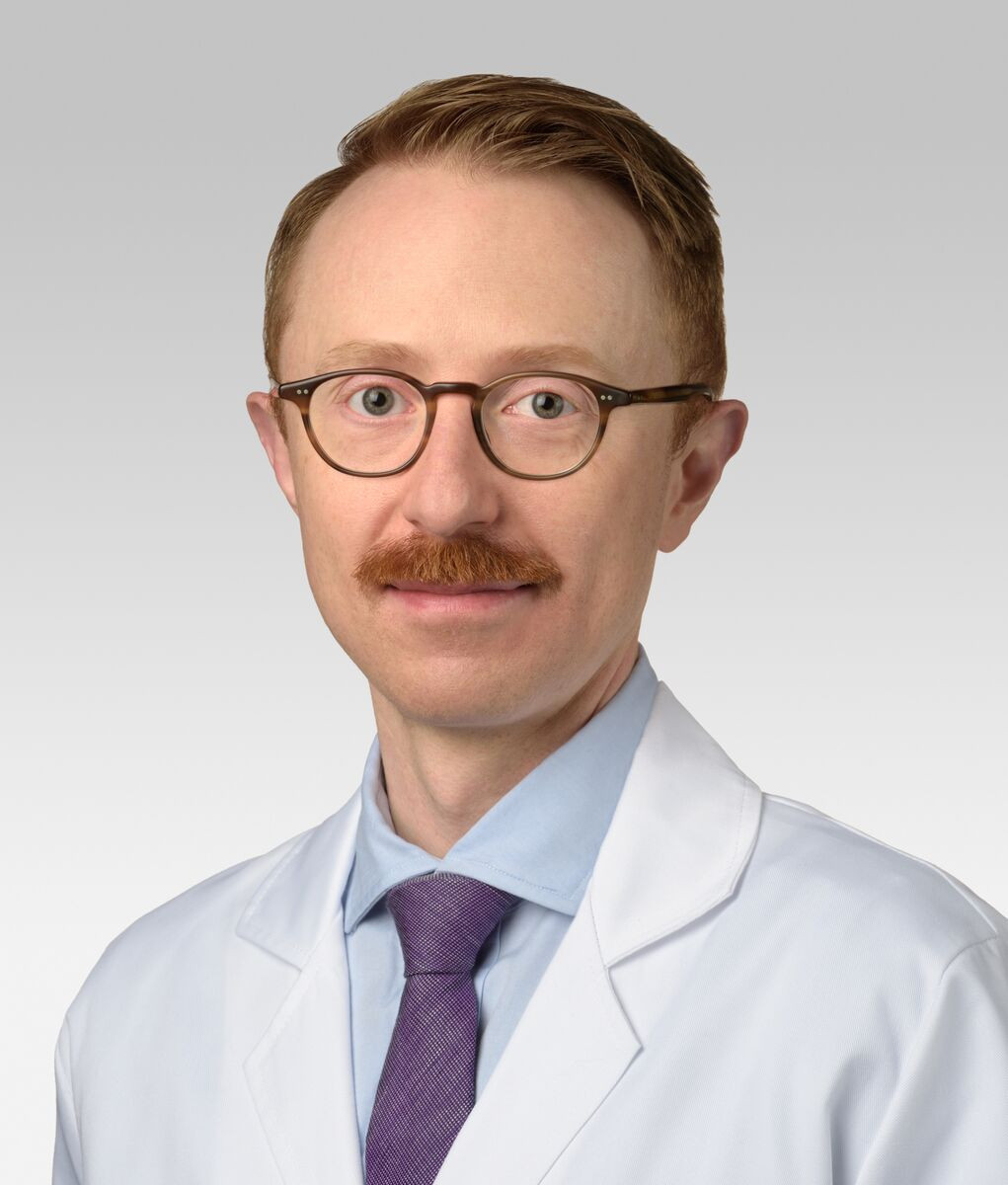
The research, led by Osaama Khan, MD, a neurosurgeon and director of the brain tumor program at the Northwestern Medicine Warrenville Cancer Center, examined outcomes for elderly patients treated with surgical resection followed by standard radiation and chemotherapy. Unlike previous studies that recommended less intensive therapies for older adults, this study found that appropriately selected patients not only lived longer but also continued to function well throughout their treatment journey.
“What was most compelling about this research is that we were able to show older patients did very well with surgery and standard therapies, not just in terms of survival, but in maintaining their quality of life,” said Dr. Khan. “For many years, elderly patients were offered shortened treatment courses or biopsies alone. Our data show that age alone should not determine how aggressively we treat glioblastoma.”
The study reflects more than a decade of clinical experience at Northwestern Medicine and highlights the importance of a team-based approach that combines neurosurgery, medical oncology, and radiation oncology.
One Patient’s Story
Dave Mason, 86, of DeKalb, Ill., is among the patients whose treatment course aligns with the study’s findings. Mason underwent surgery at Northwestern Medicine Central DuPage Hospital in August 2022 after experiencing sudden changes in speech and cognition. He was diagnosed with glioblastoma and proceeded with surgery followed by chemotherapy and radiation.
Today, nearly four years later, Mason’s outcome far exceeds typical survival expectations for glioblastoma patients.
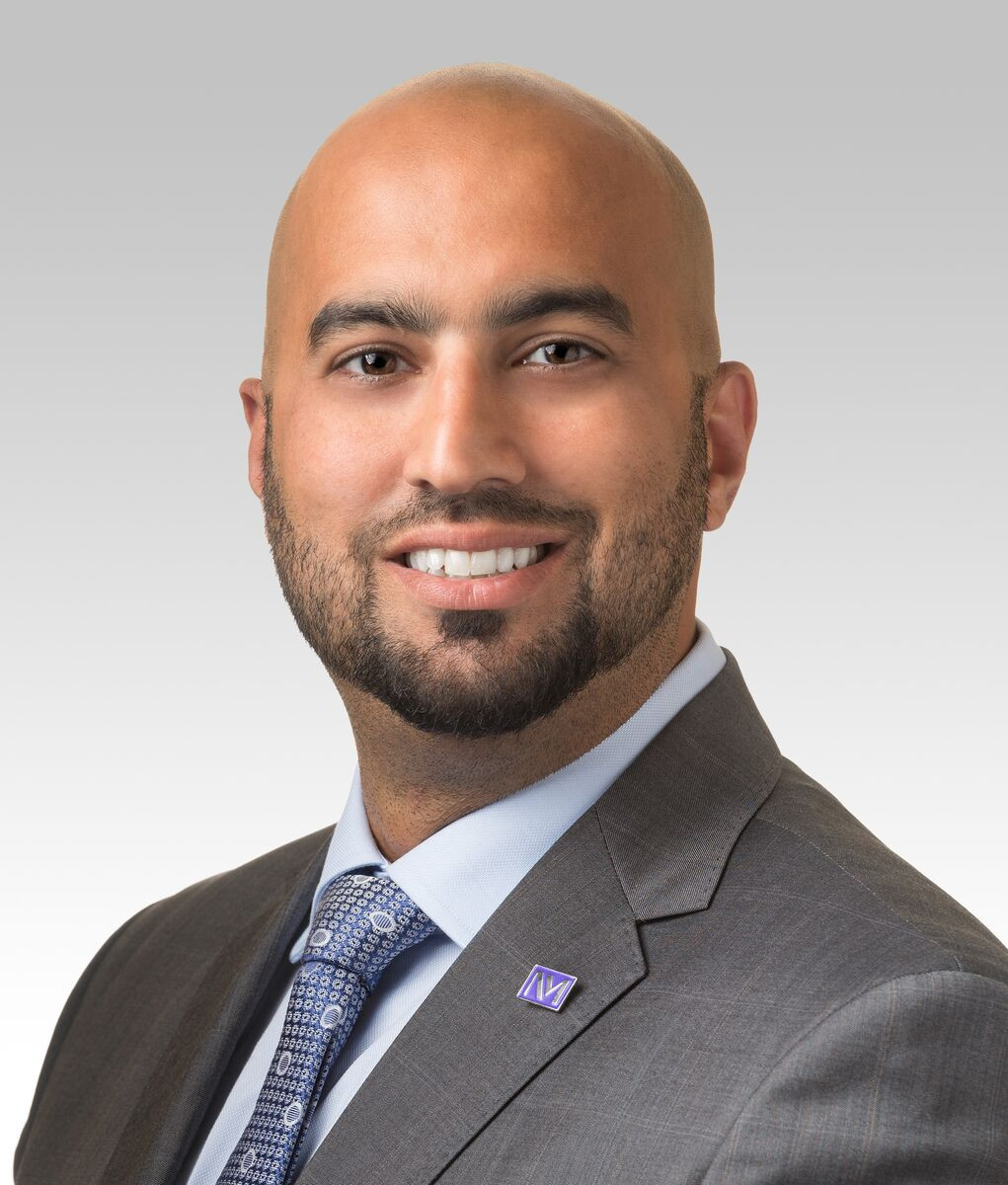
“Dave has done amazing and has had an incredible course,” said Robin Buerki, MD, a Northwestern Medicine neuro-oncologist who helps oversee Mason’s ongoing care. “He has exceeded expectations.”
Dr. Buerki emphasized that access to comprehensive treatment plays a key role in outcomes like Mason’s. “Part of the reason he is doing so well is because we gave him the opportunity and the benefit of treatment,” Dr. Buerki said. “This research from Northwestern Medicine team shows that we can improve outcomes and have good outcomes with older patients. I want patients and families to know there is a lot of hope, and that past statistics do not always reflect how our patients are doing today.”
“This research reflects exactly what we see in patients like Dave,” Dr. Khan said. “His progress is a result of comprehensive care where surgery, chemotherapy, and radiation are coordinated and centered on the patient. When we work as a team, patients do better.”
Why This Research Matters
For Mason’s wife and primary caregiver, Karen Mason, the experience underscores the importance of being offered every possible option, regardless of age.
“When Dave was diagnosed, we were both fearful, but our children were with us and that helped lift our spirits,” Karen Mason said. “The doctors gave us, and the literature shows, a life expectancy of six months to a year and a half. And here we are nearing our fourth year. We are living a new normal that we were never told to expect.”
The study also places emphasis on measuring patient function and well being throughout treatment, rather than focusing solely on survival benchmarks. Researchers evaluated how patients performed in routine clinical assessments to
better understand the day-to-day impact of aggressive treatment.
“That is really what makes this work stand out,” Dr. Khan said. “We looked closely at how patients were actually doing during their survival. Staying functional and engaged in life matters just as much as living longer.”
Northwestern Medicine leaders say these findings may help shift how glioblastoma is treated in older adults nationwide and reinforce the health system’s commitment to personalized, evidence-based care.
The full study, titled Survival and Function in Elderly Patients with Glioblastoma: The Role of Surgical Resection with Contemporary Multimodal Therapy, appears in the Journal of Neuro-Oncology.
Contact

|
Lauren Petty Manager, Media Relations Northwestern Medicine Health Network Central DuPage Hospital, Lake Forest Hospital, Palos Hospital, Delnor Hospital, Kishwaukee Hospital, Valley West Hospital, Marianjoy Rehabilitation Hospital, McHenry Hospital, Huntley Hospital, Woodstock Hospital, Proton Center |