

Minor Symptom Led to Breast Cancer Diagnosis for 30-year-old Woman, Underscoring the Importance of Quickly Taking Action
Northwestern Medicine physicians urge breast awareness and a cancer risk assessment by age 25
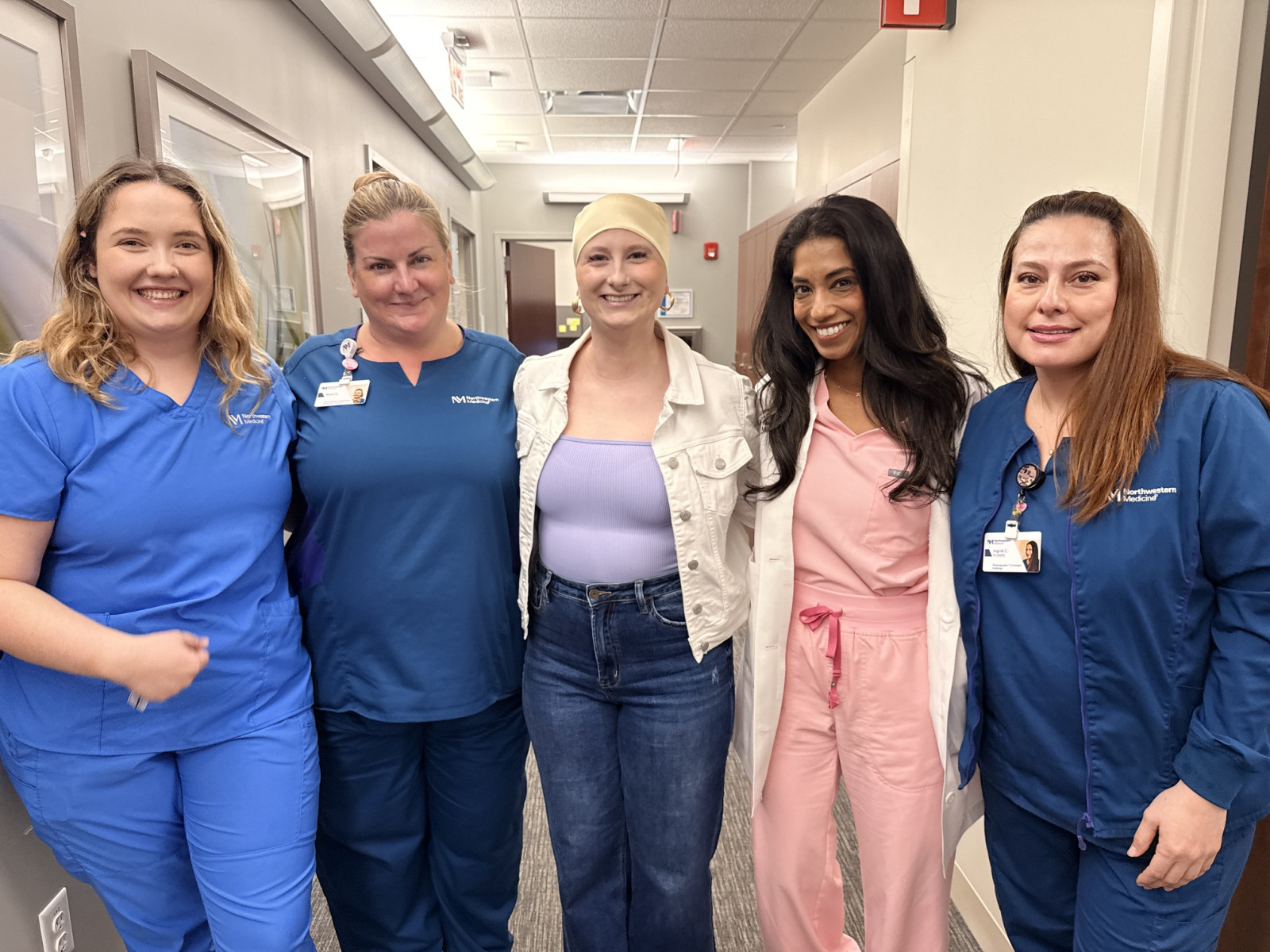
EVANSTON, Ill. – October, 16, 2026 – When Jessica Ciupka noticed soreness near her armpit that felt like the aftermath of a workout, she knew something was not right. While she lifts weights regularly, she had not performed chest exercises and the discomfort did not make sense. Within days, Ciupka saw her primary care physician, who found a lump in Jessica’s left breast and additional lumps near her lymph nodes.
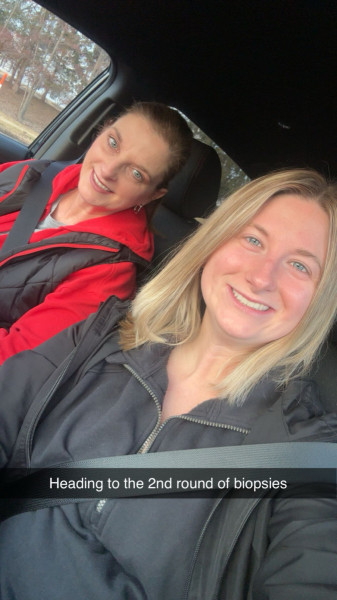
A diagnostic mammogram, ultrasound and biopsy at Northwestern Medicine Diagnostic Imaging Evanston led to a diagnosis of stage 3 triple-negative breast cancer. Ciupka, now 31, had no family history of breast cancer and genetic testing did not identify a breast cancer gene. The diagnosis interrupted her dreams for the future.
“Being 30 years old at the time when I found out, I had plans for my life. I had plans to buy a home with my boyfriend, to get married, to have children and that all had to be put on hold,” Ciupka said.
Why Breast Awareness Matters
Even though she was unsure what her symptom meant, Ciupka did everything right by not ignoring the soreness she felt. She sought care and continued asking questions until she received answers.
Breast health experts stress the importance of “breast awareness,” which means understanding how your breasts normally look and feel, then contacting a health care provider when something changes.
“We tell patients that everyone should know what’s normal for you. Then you can recognize when something is not normal. And that’s exactly what Jessica did. She found something that wasn’t normal for her and advocated for herself,” said Sonya Bhole, MD, a breast radiologist at Northwestern Medicine.
While breast cancer is most common in women over 50, Ciupka’s experience is also a reminder that breast cancer can affect younger women.
“It’s always hard when you see very young women with suspicious findings, but stories like Jessica’s are a good reminder for younger patients to not assume a concerning change can wait simply because they are not yet old enough for routine mammography,” Bhole said.
A Rise in Breast Cancer in Women Under 50
The American Cancer Society reported that breast cancer incidence rose 1.4% per year among women younger than 50 from 2012 to 2021, compared with 0.7% per year among women 50 and older.
“The steepest rise we’re seeing is in women under 50. We all want to know why, but it’s truly multi-factoral,” Bhole said. “We know there are many factors that go into breast cancer. Your family history, your reproductive history, your lifestyle, if you’re active, or alcohol use and smoking and physical activity.”
In addition to practicing breast awareness, doctors are urging women to get risk assessed for breast cancer by the age of 25.
What Is a Breast Cancer Risk Assessment?
A breast cancer risk assessment estimates a woman’s lifetime risk by considering information such as family history, breast density and reproductive history. The result can help patients and their health care providers decide when screening should begin and whether additional imaging may be appropriate.
“The American College of Radiology recommends all women get risk assessed by age 25. Now I want to clarify that doesn’t mean everyone needs a mammogram by 25 or everyone needs imaging by 25. Everyone needs to get risk assessed, which is a process you can go through online or with your healthcare provider,” Bhole said.
Bhole said the assessment, available online through Northwestern Medicine, is intended to personalize screening.

Jessica’s Plans for the Future
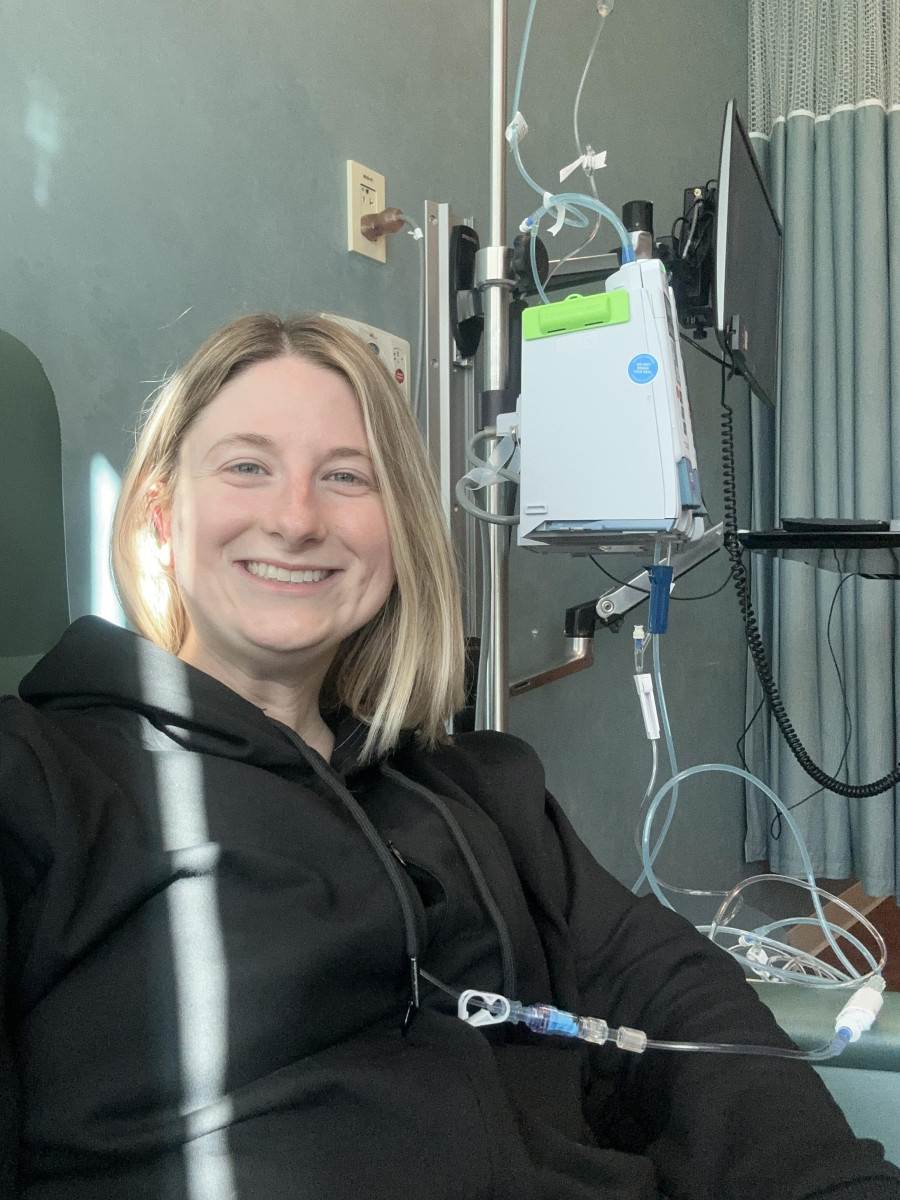
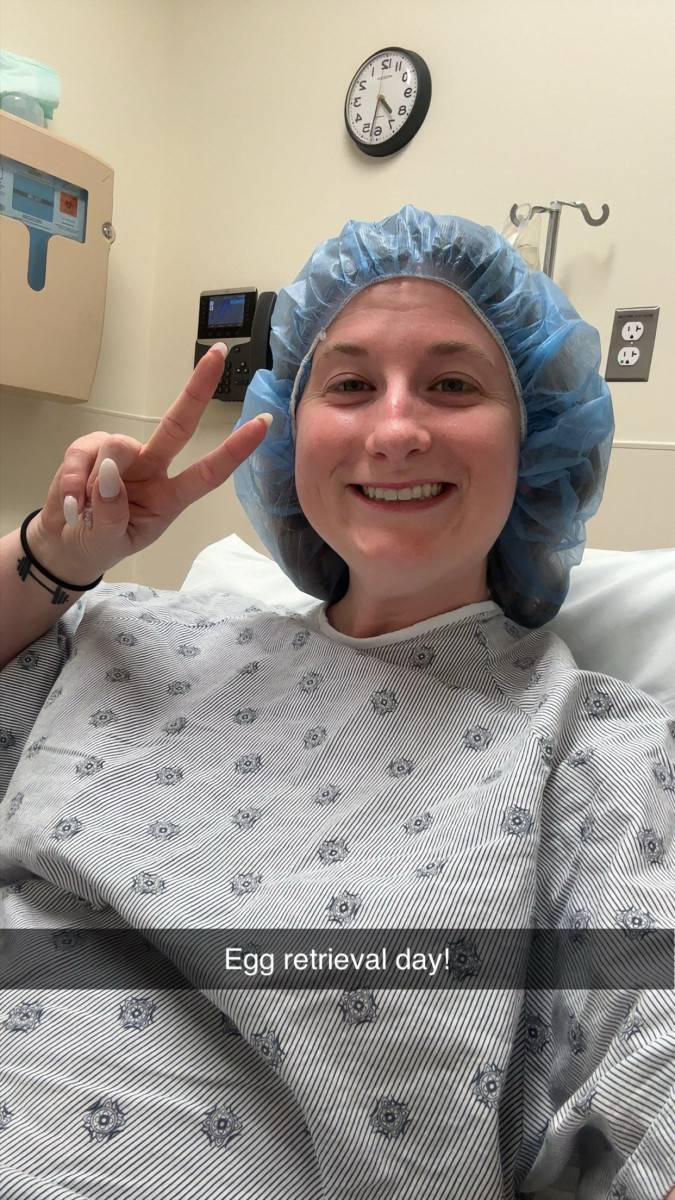
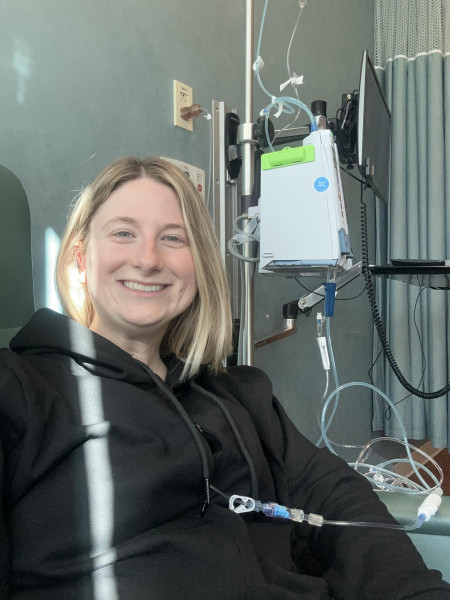
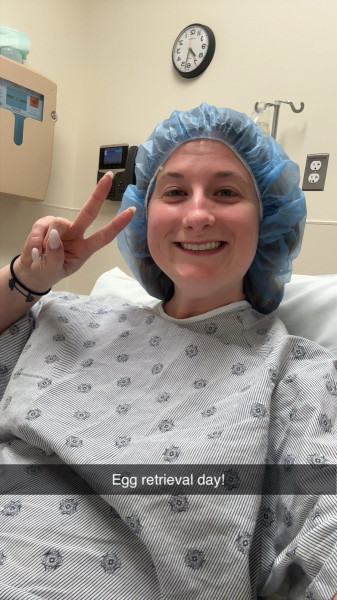
After her diagnosis, Ciupka’s treatment plan began with fertility preservation, including 12 days of injections and an egg retrieval procedure. She then underwent more than six months of chemotherapy at Northwestern Medicine Warrenvile Cancer Center, while also receiving immunotherapy as well.
Ciupka was scheduled for surgery in early October. Heidi Memmel, MD, a breast surgeon, performed a bilateral mastectomy at Northwestern Medicine Catherine Gratz Griffin Lake Forest Hospital.
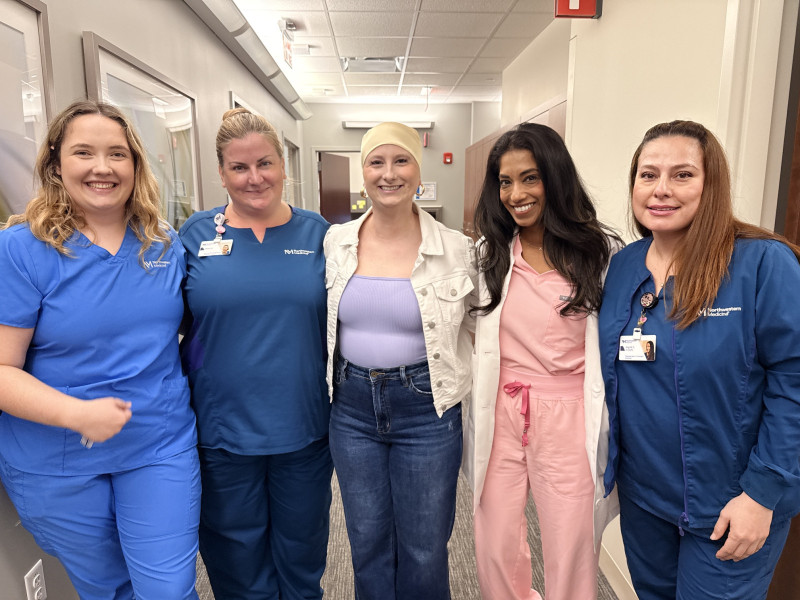
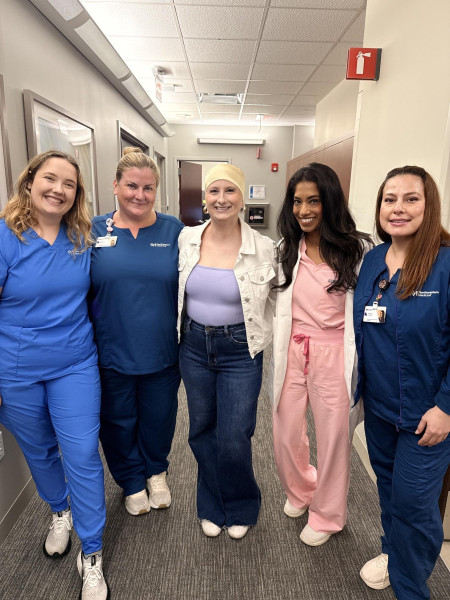
“Jessica’s strength and positive attitude have been remarkable,” Dr. Memmel said. “She continued working throughout treatment, missing only her chemotherapy days, and has remained focused on living her life. Her resilience is truly inspiring.”
Ciupka chose to share her story in hopes that another person might recognize a change in their breasts and ask for help.
“Get checked, advocate for yourself and keep talking to your doctors because someone will listen,” Ciupka said. “At the same time, make sure you keep that positive outlook on your life.”
In addition to the online assessment, Northwestern Medicine offers breast cancer risk assessments and counseling through the Breast Risk Assessment and Prevention Program. Breast imaging and breast cancer screening services are available at more than 20 locations throughout Chicagoland, including downtown Chicago, the northern, western, northwest and southern suburbs.
For more information and to complete the online Breast Health Assessment, visit nm.org.



Contact

|
Lauren Petty Manager, Media Relations Northwestern Medicine Health Network Central DuPage Hospital, Lake Forest Hospital, Palos Hospital, Delnor Hospital, Kishwaukee Hospital, Valley West Hospital, Marianjoy Rehabilitation Hospital, McHenry Hospital, Huntley Hospital, Woodstock Hospital, Proton Center |