

Northwestern Medicine launches new program to support people with obesity who are planning a pregnancy
For each patient, experts will design a personalized weight loss program which may include nutrition, physical activity, mental health, lifestyle treatment options, and in some cases, using weight loss medications such as GLP-1 agonists
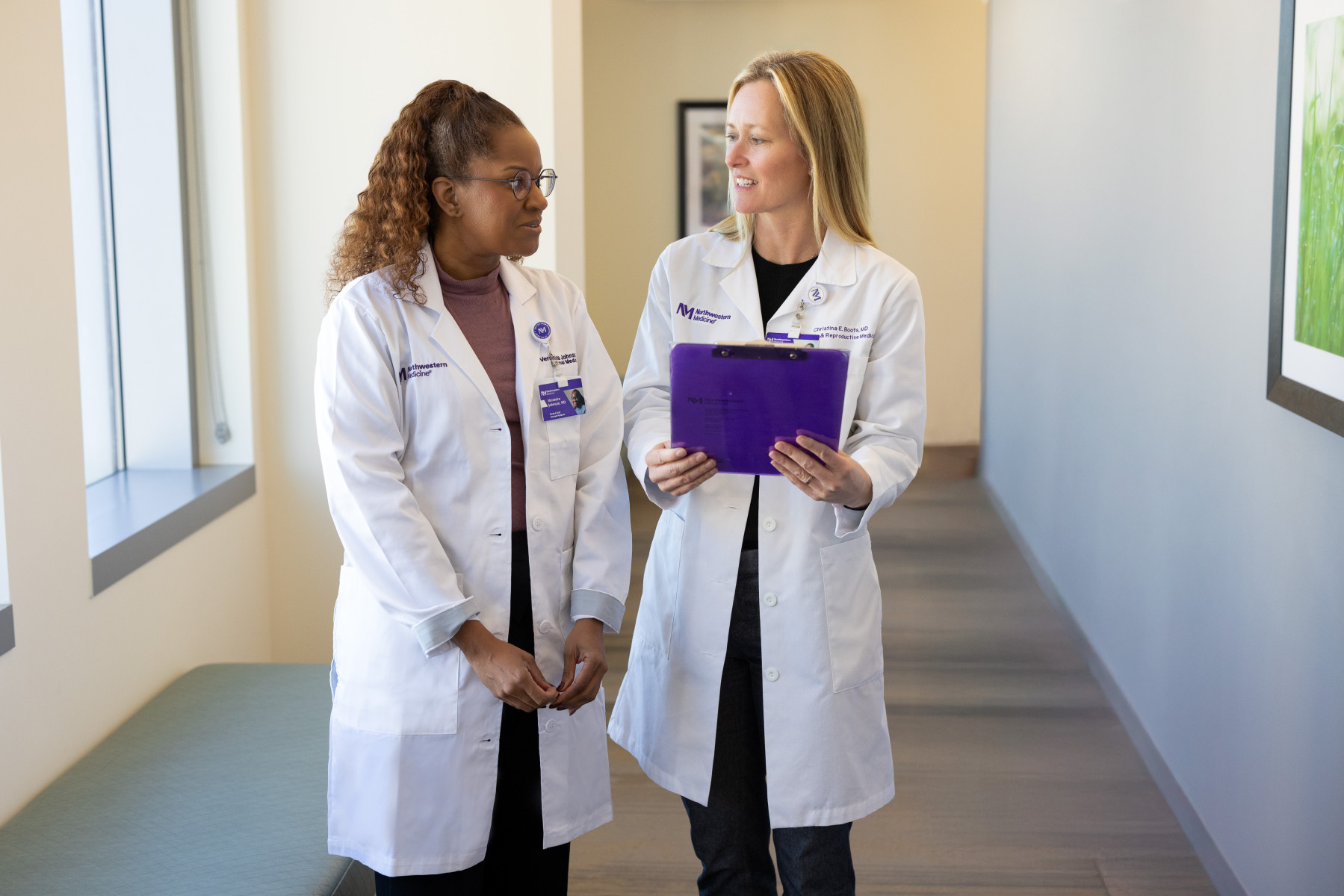
CHICAGO – July 9, 2025 – Weight gain isn’t just a result of what you eat and how you move your body. It’s also related to genetic, societal, and environmental factors. For many, obesity is a disease. But for those wanting to start a family, healthy behaviors and lifestyle choices are important to help achieve reproductive goals, which is why the Northwestern Medicine PEARL Program (Preconception and Early Assessment Care Rooted in Lifestyle Management) was launched to support people with obesity who are planning a pregnancy.
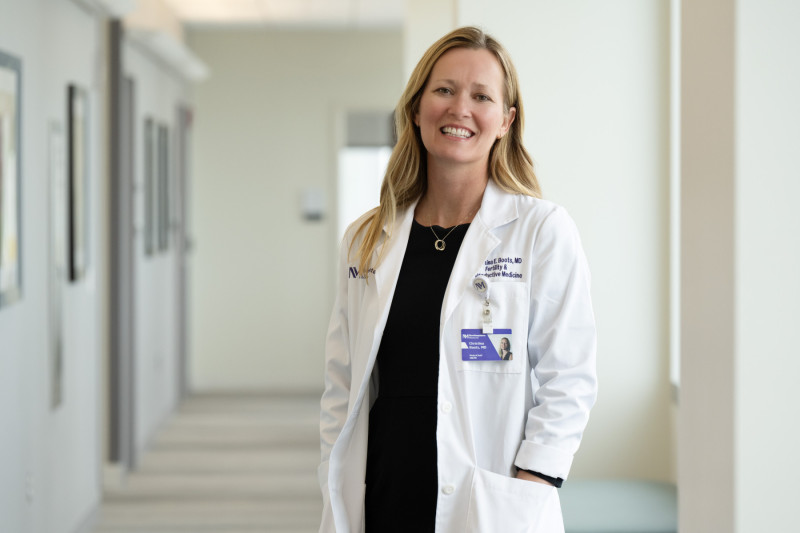
“Here at Northwestern Medicine, we receive a lot of referrals for patients with higher body mass index (BMI) that might not be cared for at other health systems, and with the PEARL Program, we’re eliminating that bias to help provide the obstetrics care they need,” said Christina Boots, MD, a reproductive endocrinology and infertility specialist at Northwestern Medicine who co-founded the PEARL Program. “We’re really proud to have established a multidisciplinary clinic to care for these women who are trying to get pregnant, want to reduce health risks during pregnancy, and manage their mental health and possible weight gain postpartum.”
The PEARL Program was designed for patients who have a BMI more than 27, are planning an immediate pregnancy or looking ahead to the future. Some women with higher BMI will have ovulatory dysfunction, a condition where the ovaries don’t release an egg during a menstrual cycle. A drop in weight can sometimes help women ovulate more consistently, thus increasing their rate of spontaneously getting pregnant. Weight loss can also help prevent the risk of health complications during pregnancy.
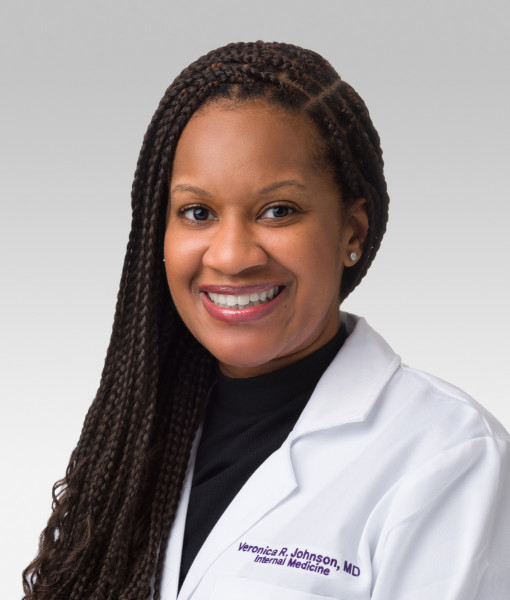
“When we look at clinical obesity, we can’t just define the disease as having a BMI over 30, but we need to look at how the disease impacts one’s overall health,” said Veronica Johnson, MD, an obesity medicine specialist at Northwestern Medicine who co-founded the PEARL Program. “Excess body fat can impact a woman’s health including infertility, irregular menstrual cycles and polycystic ovary syndrome (PCOS), but it can also cause other health-related conditions such as obstructive sleep apnea, cardiovascular disease, high blood pressure and osteoarthritis of the knees or the hips. These are all things we really want to have the patient improve upon before getting pregnant.”
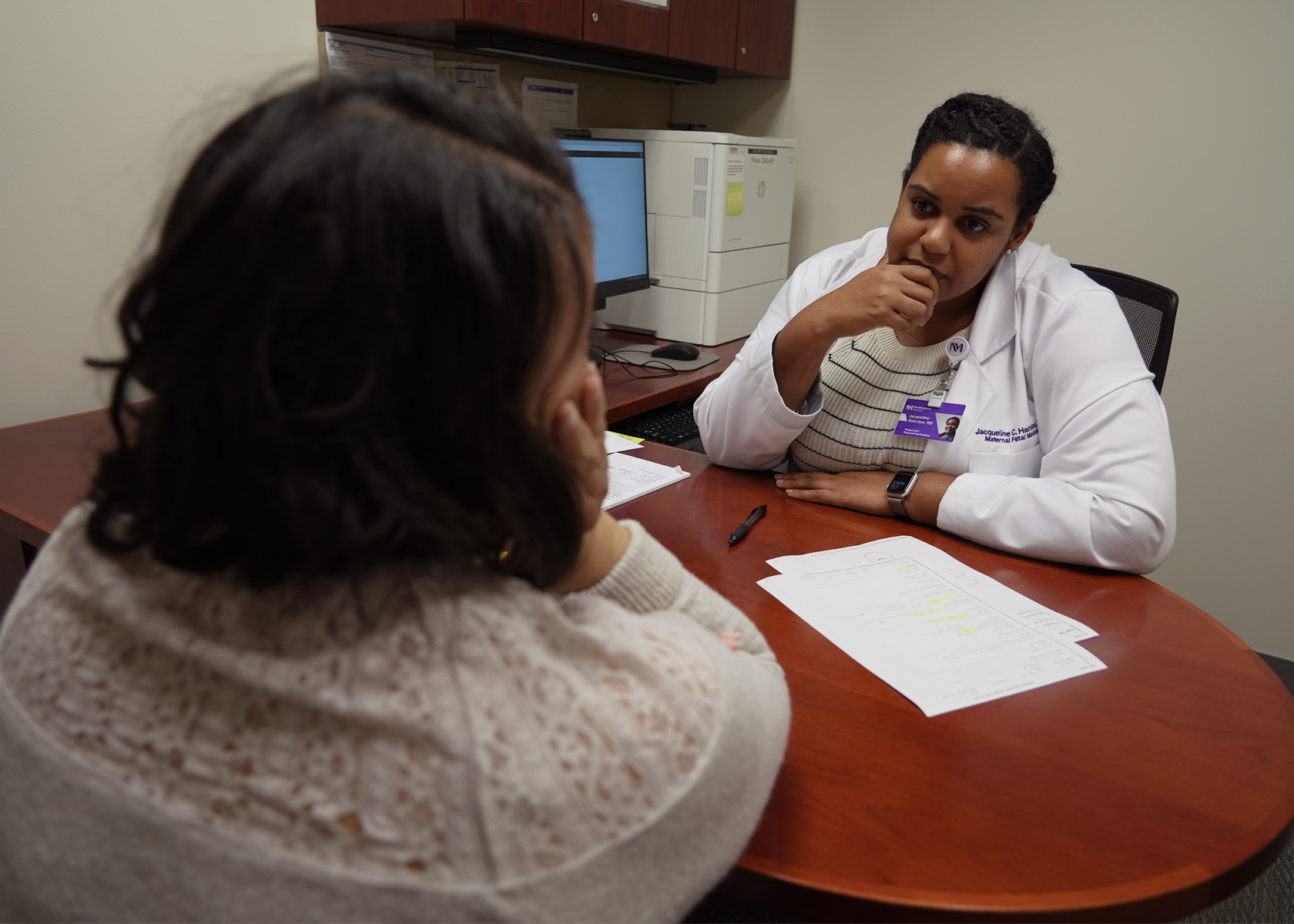
What to expect during a consultation with the PEARL Program
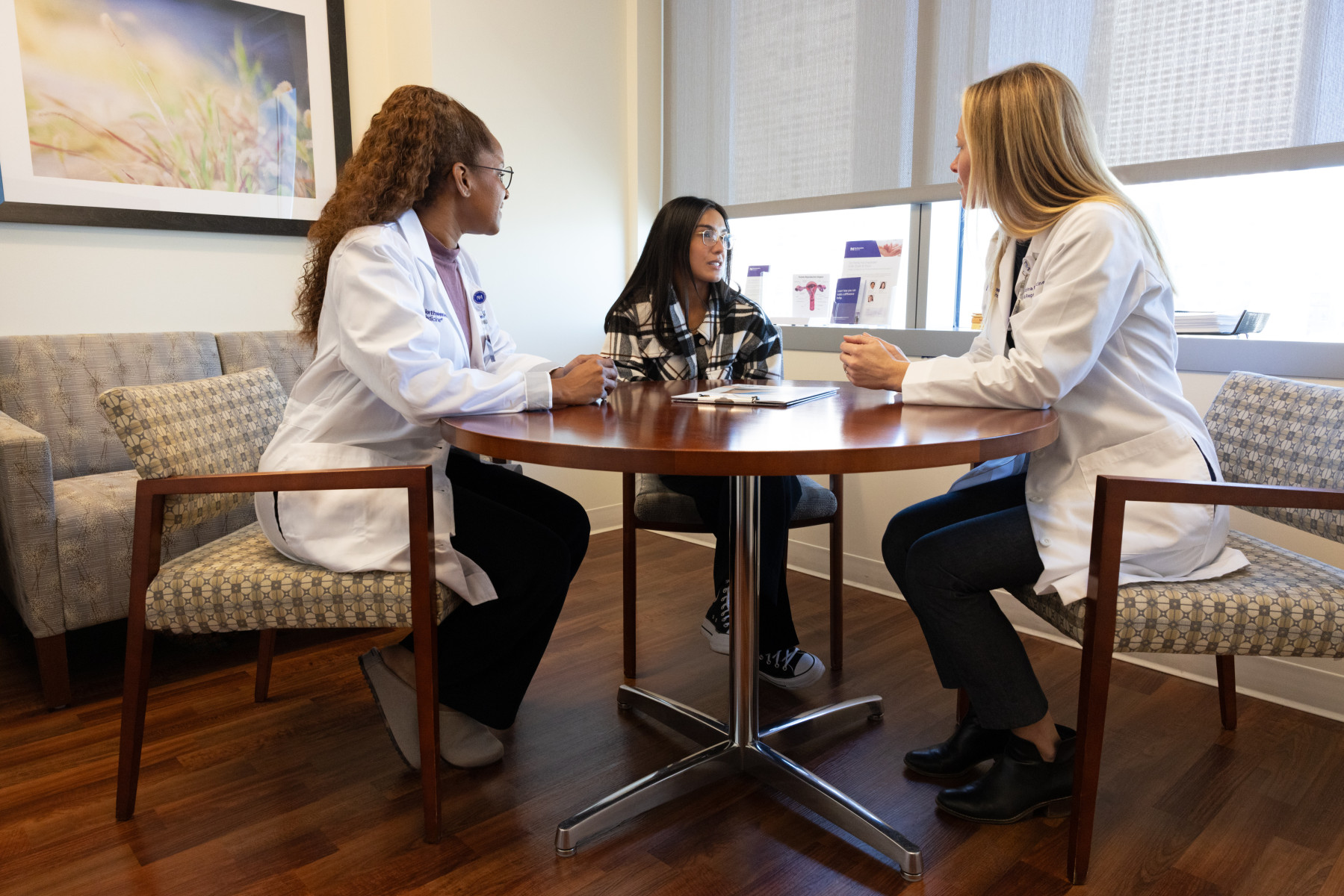
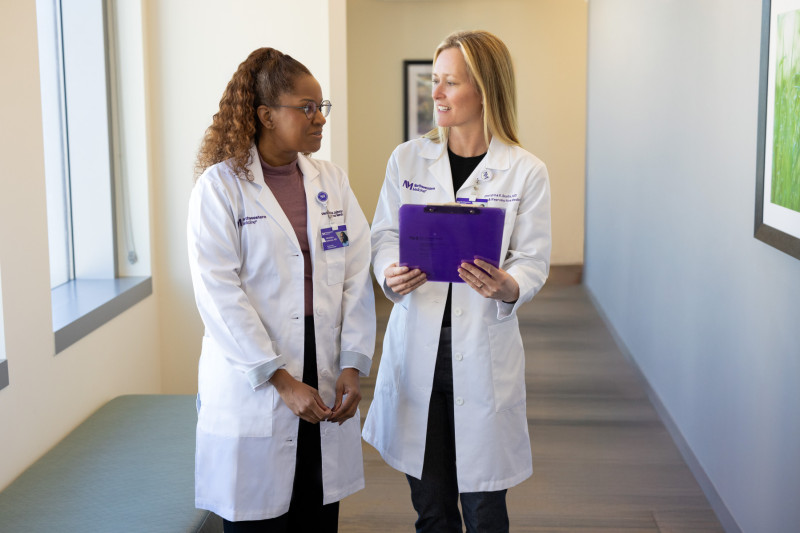
For each patient, a team of experts from reproductive endocrinology and infertility, obesity medicine, maternal-fetal medicine, psychology and more, design a personalized weight loss program to fit a patient’s needs and goals which may include nutrition, physical activity, mental health, lifestyle treatment options, and in some cases, using weight loss medications such as GLP-1 agonists.
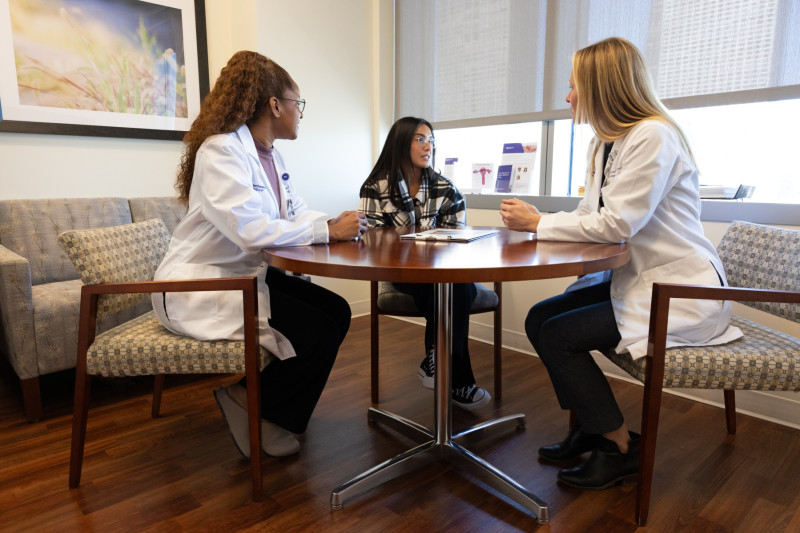
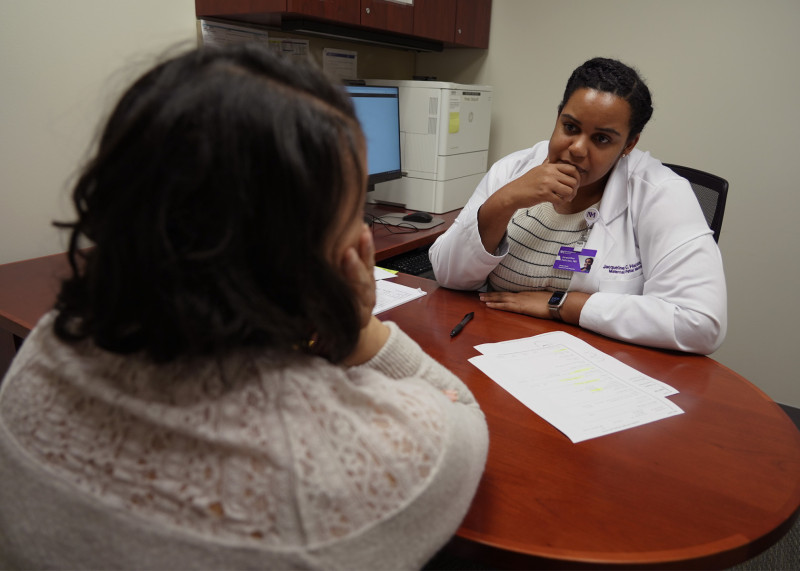
During a patient’s first consult with the PEARL Program, a physician will typically ask questions such as:
- How do you feel about your weight?
- Do you think you’d benefit from extra nutrition counseling?
- Do you need motivation to move your body more?
- When do you think you might want to start a family?
- What’s your ideal family size?
Depending on answers to the questions, next steps will then be taken for planning a future pregnancy.
“Preconception counseling is so important because everyone’s prenatal care might be different, their delivery might be different and their postpartum care might be different,” said Michelle Kominiarek, MD, a maternal-fetal medicine specialist at Northwestern Medicine who co-founded the PEARL Program. “It takes time to have meaningful weight loss, which can result in some tough conversations.”
Obesity’s impact on fertility and pregnancy
When it comes to a patient’s fertility, physicians with the PEARL Program emphasize that age, much more so than BMI, influences how likely a woman is to get pregnant, which is why it’s important for women to talk to a physician sooner rather than later.
“For example, if a woman first comes to us in her late 20s or early 30s, she should still generally have good egg quality and quantity left, but if a woman is approaching 40, that’s when she really needs to be worried about the decline in her fertility. For some women, that means we’re freezing eggs or creating embryos ahead of time and then making the weight loss goal a priority before she tries to conceive,” said Dr. Boots. “That’s why thoughtful, individualized conversations are needed to come up with a strategy.”
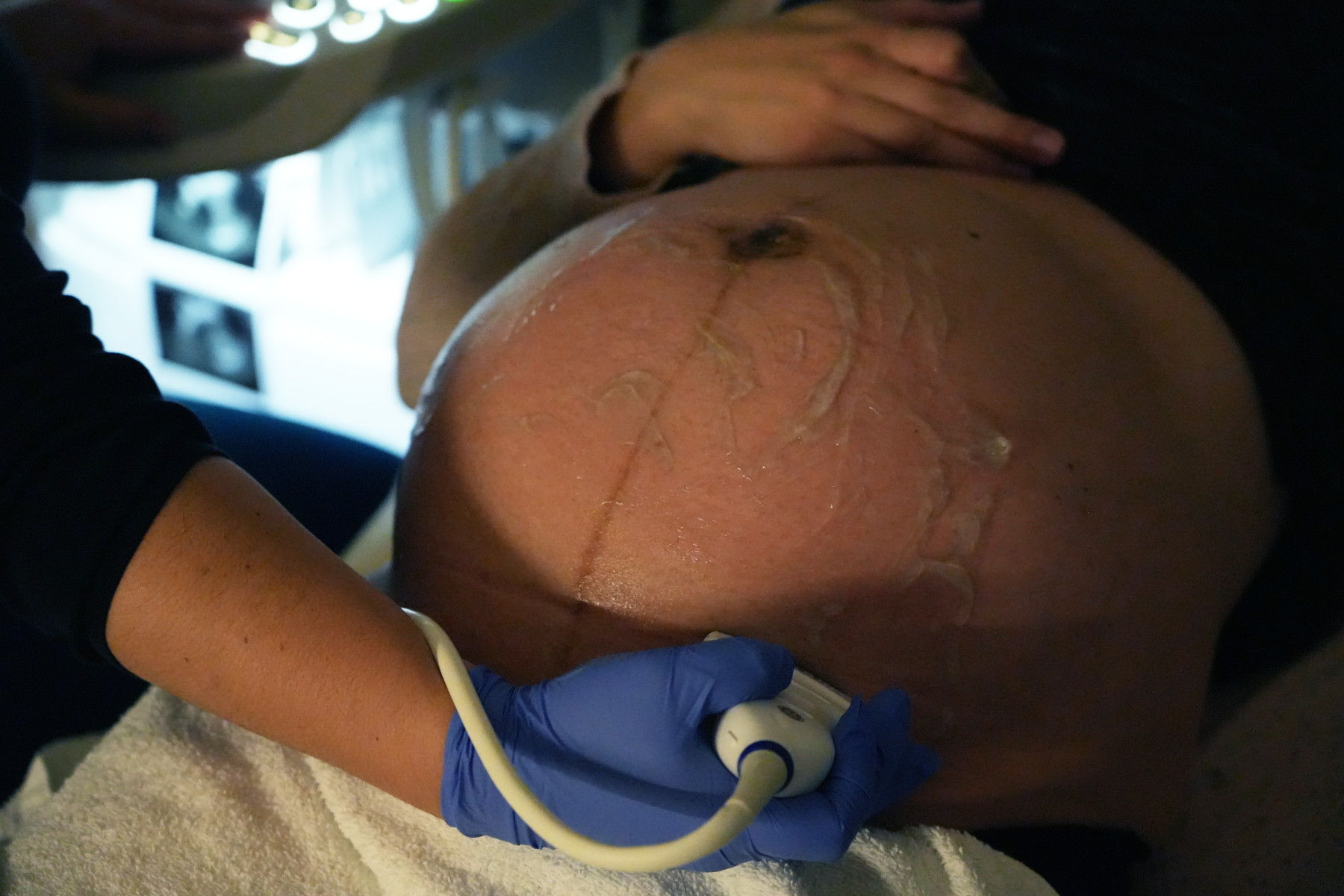
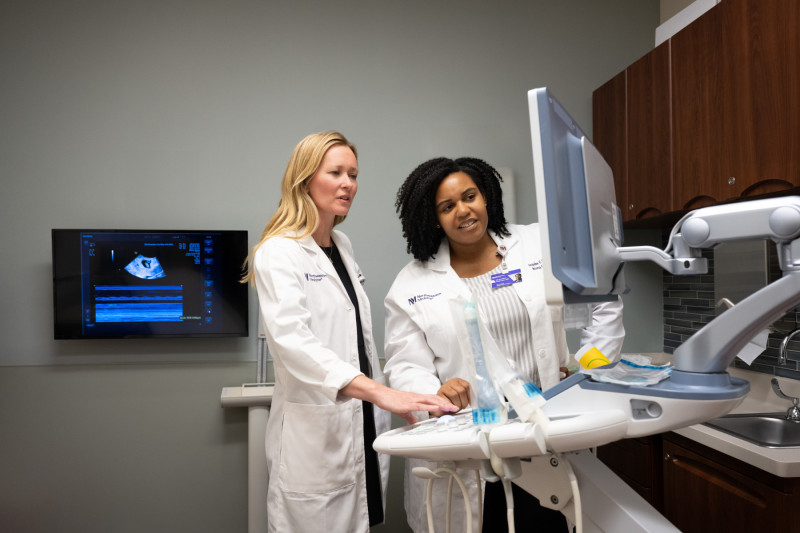
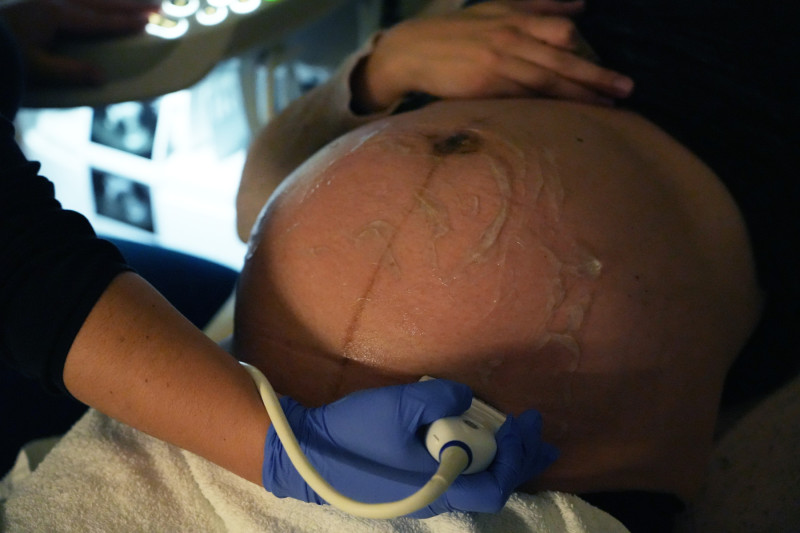
For patients with higher BMI who need to undergo in vitro fertilization (IVF) treatments, excess body fat can make it more difficult to administer fertility treatments because the ultrasound imaging is more challenging. Higher BMI may also play a role in egg quality, implantation, embryo development and increased risk of miscarriage. With higher BMI, physicians also see higher rates of thyroid disfunction, insulin resistance, diabetes, high blood pressure and hypertension.
“We see that having excess body fat and an energy imbalance can also influence how our hypothalamus talks to our pituitary, which talks to our ovary. It’s a really delicate system that can get interrupted,” said Dr. Boots. “The primary way a lot of weight affects getting pregnant is just not having regular menstrual cycles and not ovulating with consistency.”
Once pregnant, patients with higher BMI face several risks during pregnancy such as preeclampsia (high blood pressure) which can lead to organ damage, stroke, seizures or death; gestational diabetes; blood clots; premature delivery; longer labor; and possibly needing a cesarean section (C-section). The baby may also be at high risk for birth defects that affect the brain and spinal cord.
Are weight loss medications safe to use during pregnancy?
GLP-1 agonists can be used to lower weight which may improve pregnancy outcomes, however, there can be rebound weight gain after stopping the medication. Physicians are monitoring how that rebound weight gain will impact the pregnancy; does it blend in with the expected weight gain of pregnancy or does it magnify it? Currently, physicians with the PEARL Program don’t recommend patients stay on GLP-1 agonists during pregnancy.
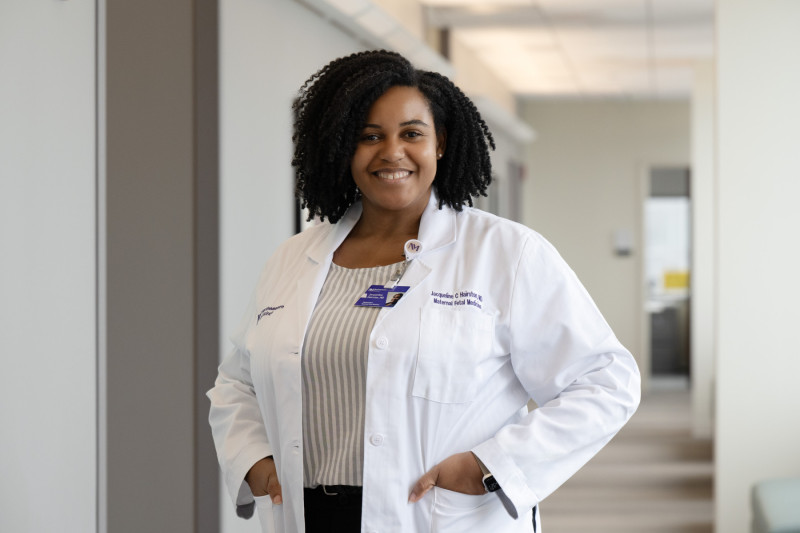
“GLP-1 agonists shouldn’t be used during pregnancy because there isn’t enough research to show what they’ll do to a growing baby,” said Jacqueline Hairston, MD, a maternal-fetal medicine specialist at Northwestern Medicine who is part of the clinical team for the PEARL Program. “We also have to be really careful about recommending fast meaningful weight loss right before someone is trying to get pregnant because their metabolism is going to change so much. Diminishing a patient’s nutrition and energy imbalance isn’t the best time to be growing a baby, so we’ll tell patients they should wait a year or two from that massive weight loss before trying to get pregnant. Just telling patients, ‘Lose a bunch of weight and you’ll get pregnant,’ isn’t the right answer.”
Postpartum weight gain management
The PEARL Program is also working to help decrease weight bias in clinical settings; define clinical obesity and review the current treatment options; understand the data associating fertility outcomes with BMI; and improve preconception counseling in women with higher BMI. The program also monitors women postpartum to help them manage the weight gain from the pregnancy.
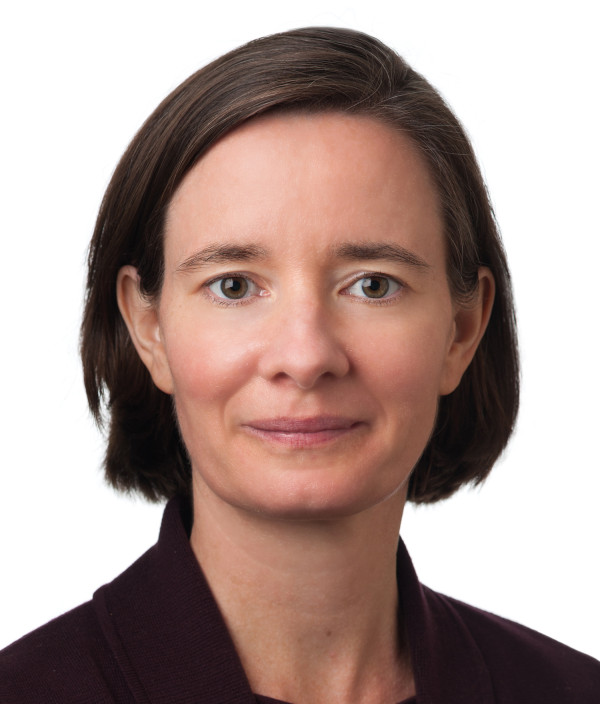
“Pregnancy is unique because it’s one of the few times people have a doctor say to them, ‘We expect you to gain weight.’ What that means for their mental health to see their body change after successful weight loss is certainly something that is a very individual experience,” said Dr. Kominiarek.
“The mental health piece is so important, so making sure we connect them with a mental health provider as they’re going through their weight loss journey, or weight gain that comes with pregnancy, is important. They need support from their physicians, psychologists, family and friends,” said Dr. Hairston.
Pregnancy is unique because it’s one of the few times people have a doctor say to them, ‘We expect you to gain weight.’ What that means for their mental health to see their body change after successful weight loss is certainly something that is a very individual experience.

For patients wanting to discuss how to optimize their health before pregnancy, a consultation can be scheduled with the PEARL Program by calling 312.695.7269. Additional information on obstetrics care at Northwestern Medicine can be found at nm.org.
Contact

Add me on LinkedIn (opens in new window)
|
Jenny Nowatzke Program Director, Media Relations Northwestern Memorial Hospital Pulmonology and Lung Surgery, Cancer, Infectious Diseases |