

Northwestern Medicine launches clinical trial to study whether hormone therapy can reverse groin hernias in men without surgery
Phase one will explore if two estrogen-blocking medications can be given safely to men age 50 and older and if they produce a size reduction in the hernias.
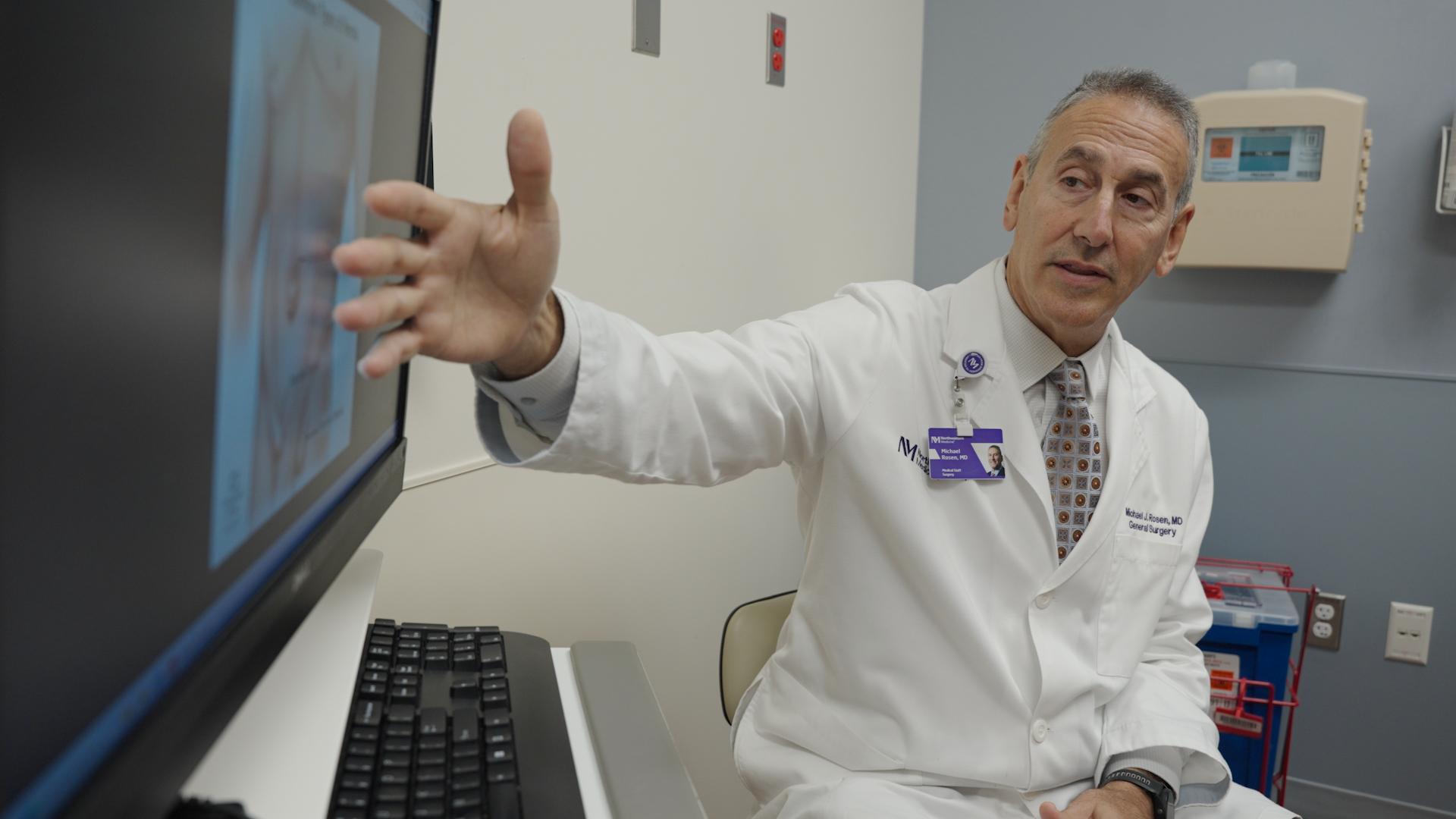
Chicago – October 6, 2026 – More than 800,000 Americans undergo surgery to repair inguinal hernias each year, an abdominal wall condition that affects approximately one in four men during their lifetime. The condition occurs in the groin, when a portion of the intestine pushes through a weak spot in the abdominal muscles, creating a bulge that can only be repaired surgically. While not every inguinal hernia requires repair, they can grow overtime, cutting off blood supply to the small intestine, which can lead to emergency complications. Men with inguinal hernias may now be eligible to enroll in a clinical trial at Northwestern Medicine that will study if estrogen-blocking medication could reverse these hernias without surgery.
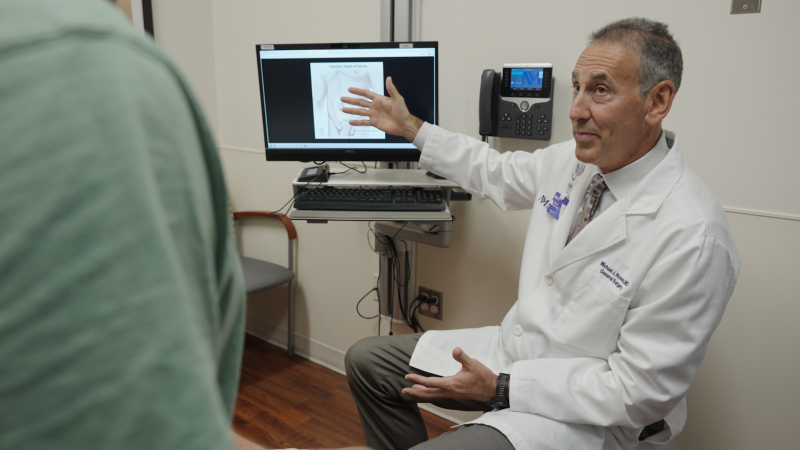
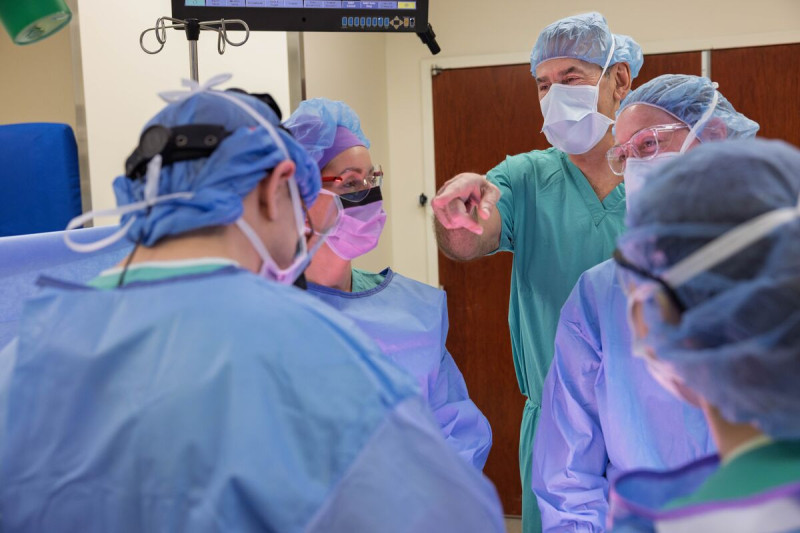
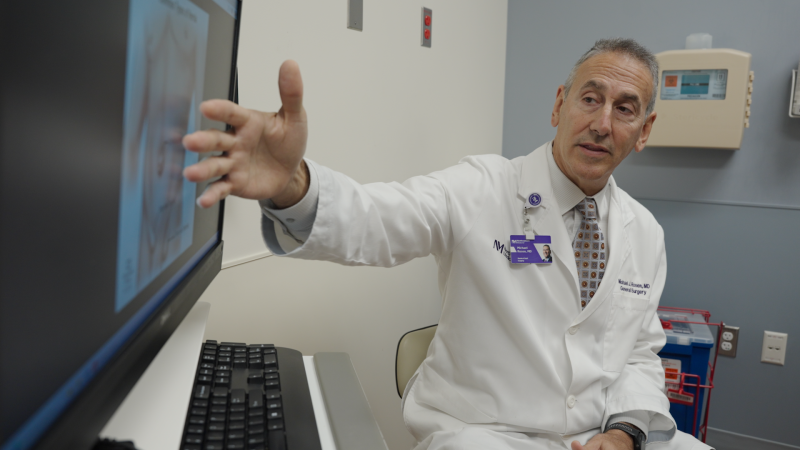
“I am always humbled by how much fear and anxiety patients feel around the surgical intervention despite the fact that we do this every day,” said Michael Rosen, MD, chief of gastrointestinal surgery and surgical director of Northwestern Medicine Digestive Health Institute. “Surgeons should always be searching for ways to cure what we treat with surgery with non-operative measures as long as it's safe and provides an effective means.”
Phase one of the Reversing InGuinal Hernia Trial: The Evaluation of Sex Hormones to Reverse Inguinal Hernias in Males (RIGHT) trial at Northwestern Memorial Hospital is recruiting 30 men, age 50 and older, with symptomatic unilateral inguinal hernias, who have not previously had a hernia repair on that side. This phase seeks to establish whether estrogen-blocking medication can be given safely to older men and if it is feasible to measure changes in hernia size and symptoms. Dr. Rosen, who is leading the trial, says participants will be divided into two randomized treatment groups and given either Fulvestrant intramuscularly or Anastrozole (Arimidex) orally.
“We will then assess safety and any efficacy at six months with the plan to expand into a much larger trial if we are able to prove that it is safe, and there are signals indicating a change in the hernia or its symptoms,” said Dr. Rosen, a professor of gastrointestinal surgery at Northwestern University Feinberg School of medicine.
A collaboration sparked by a surprising discovery 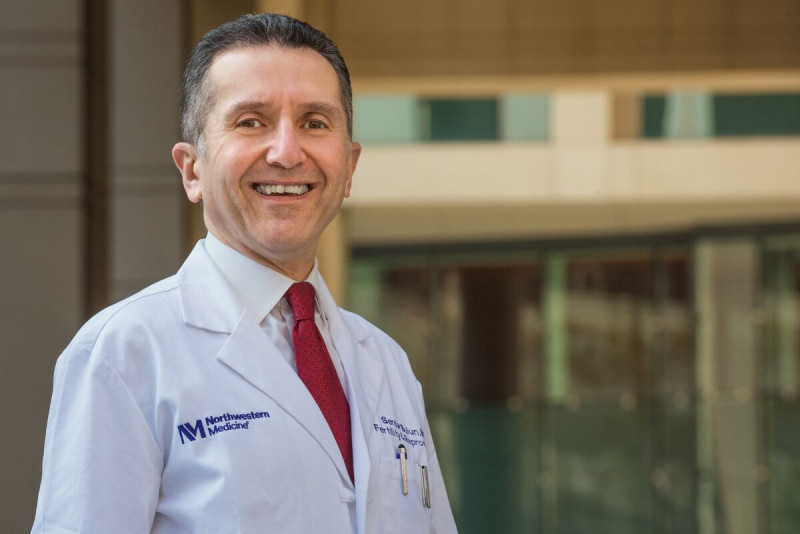
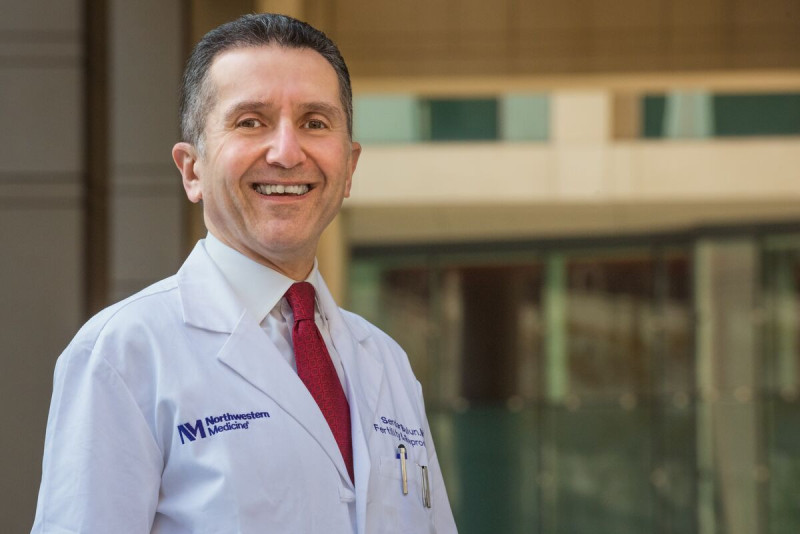
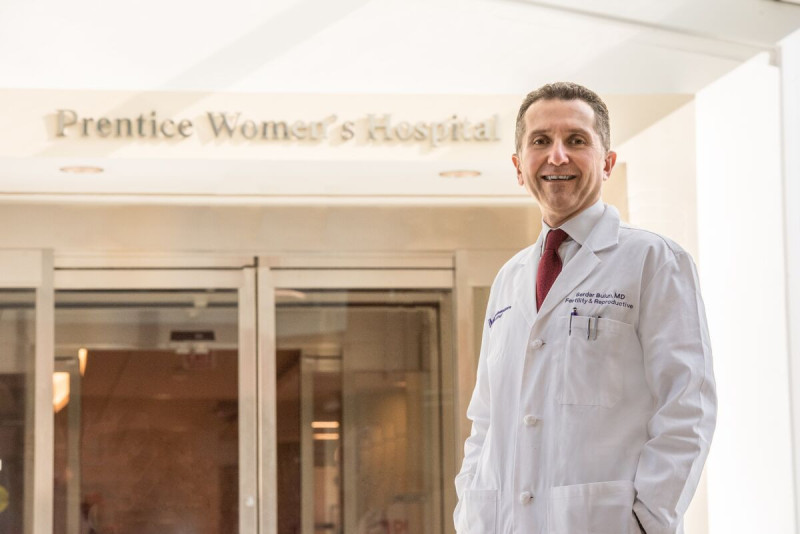
Dr. Rosen, who joined Northwestern Medicine in February 2025, credits the inspiration for this clinical trial to a discovery made by Serdar Bulun, MD, chair of obstetrics and gynecology at Northwestern Medicine, in a study published that same month.
“To study the effects of estrogen excess on female breast tissue, Dr. Bulun’s team generated a mouse model that formed large amounts of estrogen in adipose and skeletal muscle tissue, when he serendipitously noticed the male breeder mice were forming inguinal hernias,” said Dr. Rosen.
The study prompted Dr. Rosen to reach out to Dr. Bulun to explore whether the findings could be replicated in clinical trials involving humans.
“Our findings strongly suggest that men would also respond to this medication as the male mice did, so if a subset of male patients are high risk for surgery, we can one day try to repair the hernias medically,” said Dr. Bulun, chair of the department of Obstetrics and Gynecology at Feinberg.
Potential to eliminate a field of surgery 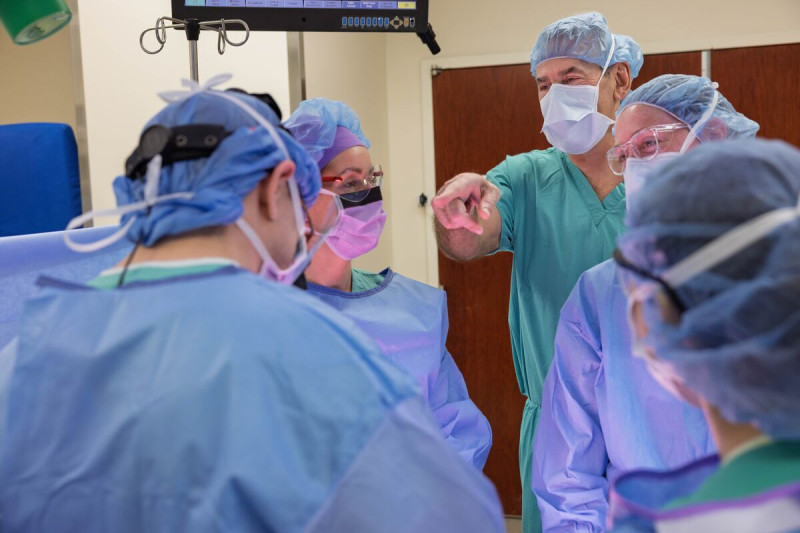
Individuals interested in enrolling in the study should visit ClinicalTrials.gov number NCT07604272 to review inclusion criteria.
“When you really look at this trial, if this works, one of the most common operations I do, I will not be doing anymore,” said. Dr. Rosen. “If we can treat patients with non-operative measures, with medicine, it's absolutely best for the patients.”
Northwestern Memorial Hospital is proud to be ranked No. 4 in the nation for gastroenterology and GI surgery by U.S. News & World Report, 2026 – 2027. For information on the Digestive Health Institute and other gastrointestinal clinical trials, visit nm.org/digestivehealth. To learn more about hernia repair treatment options at Northwestern Medicine, visit nm.org.


Contact

|
Meg Hilling Specialist, Media Relations Northwestern Memorial Hospital Transplant, Nephrology, Hepatology, Gastroenterology & GI Surgery, Nutrition, Emergency & Trauma, Dermatology, Geriatrics, Plastic Surgery, Allergy & Immunology |