

Northwestern Medicine Canning Thoracic Institute performs Illinois’ first known robotic lung transplant, pioneering minimally invasive approach for select patients
Advanced surgical technique replaces traditional open-chest surgery with precision robot-assisted procure through small incisions
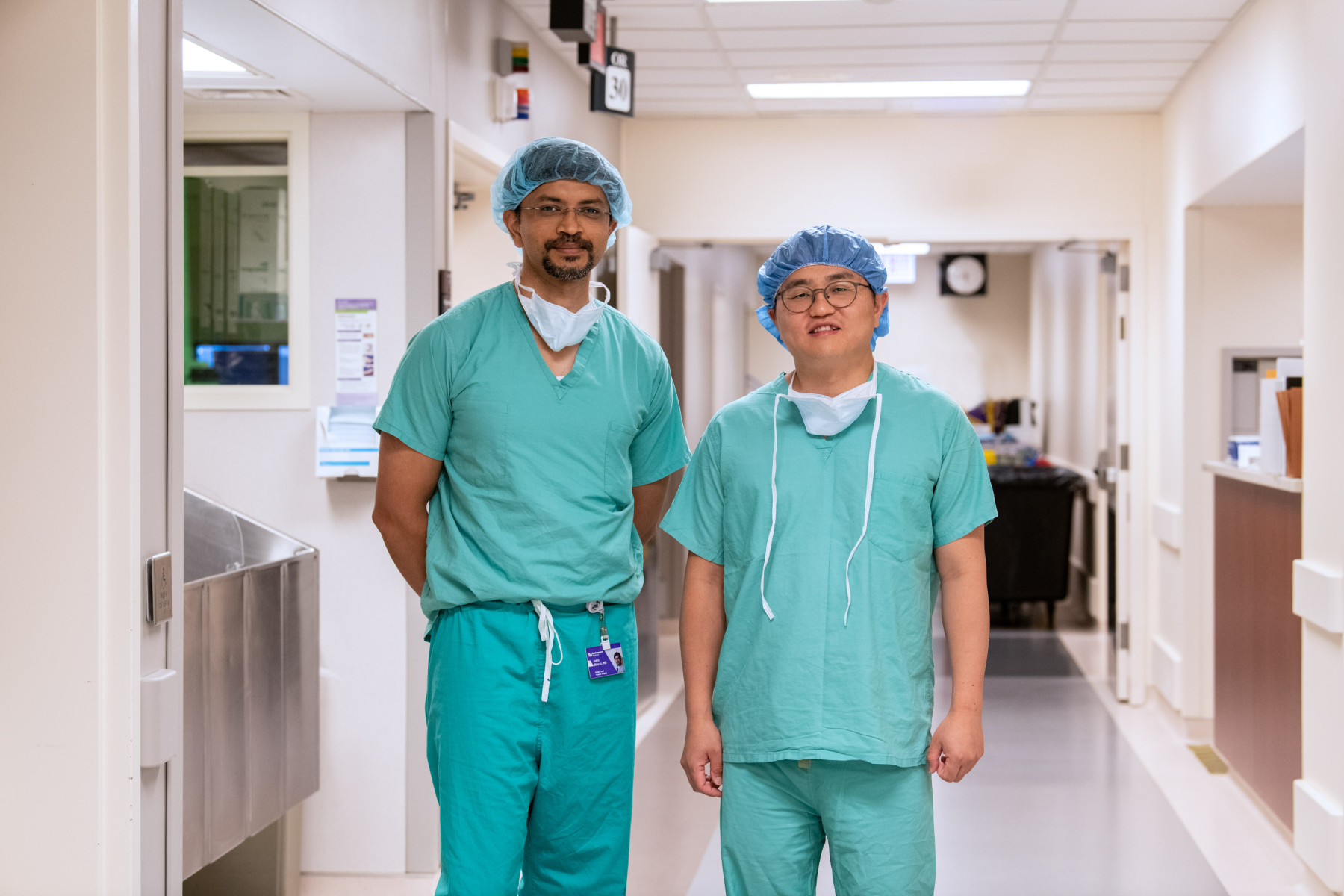
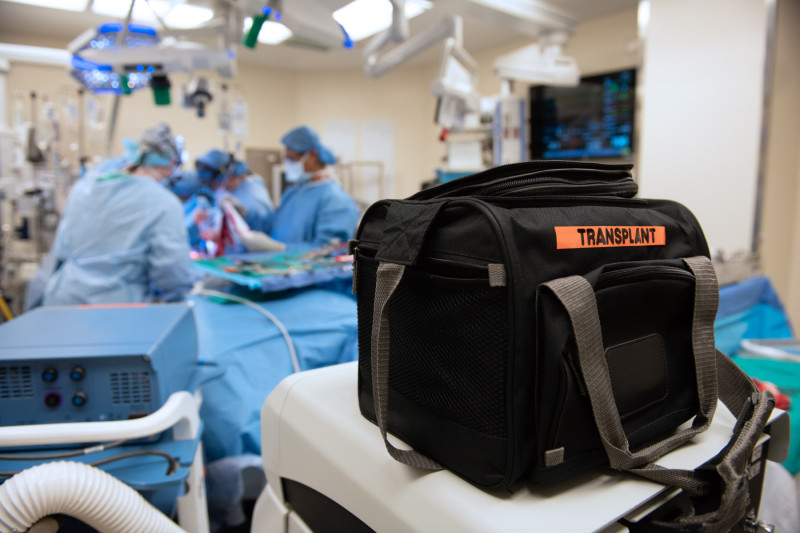
CHICAGO – September 30, 2025 – Northwestern Medicine has successfully performed the first known robotic lung transplant in Illinois, bringing this advanced minimally invasive surgical option to patients in the region. The sophisticated surgical approach uses small chest incisions and robotic precision instead of traditional open-chest surgery, offering select patients reduced surgical trauma and the potential for enhanced recovery.
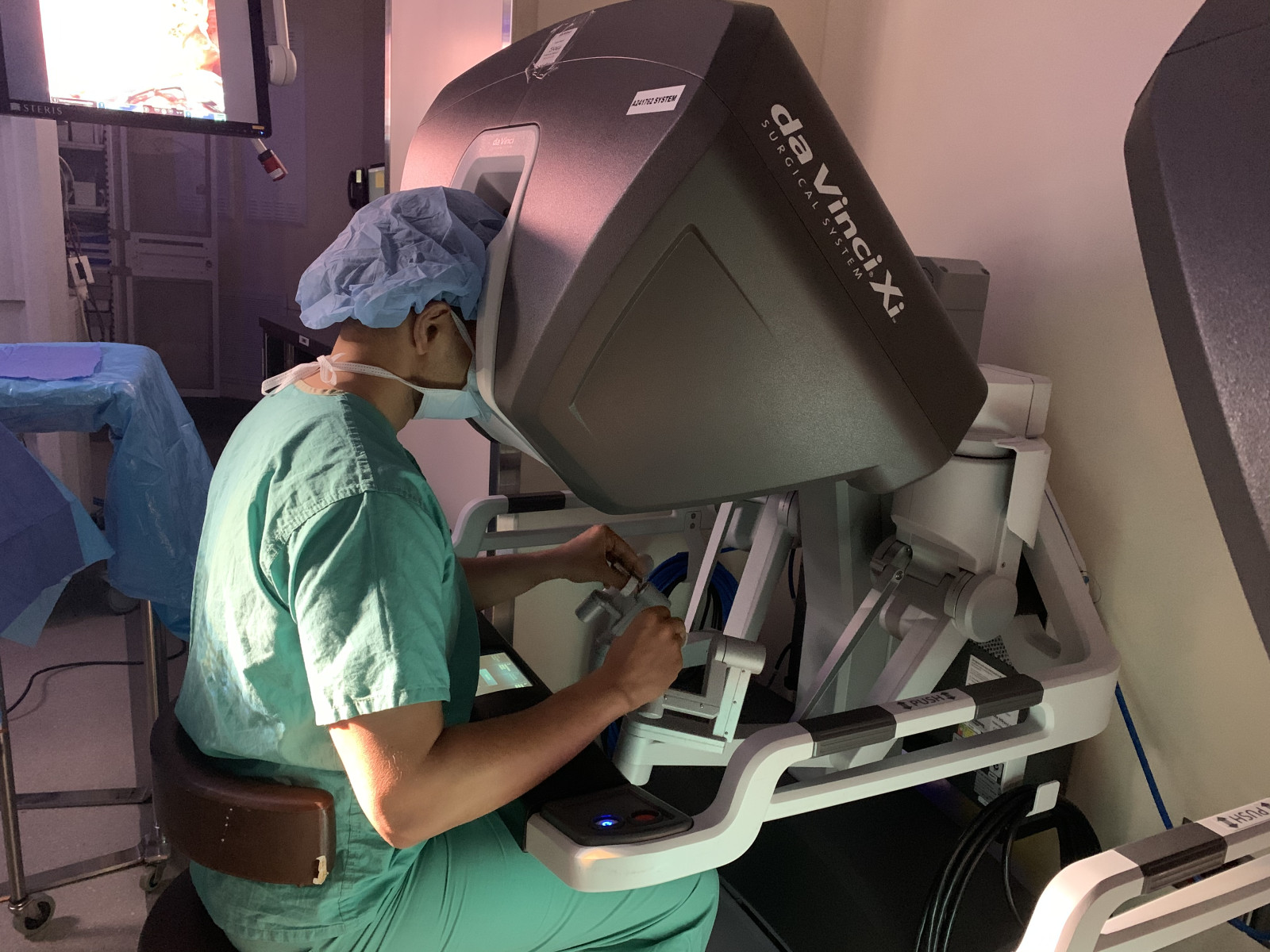
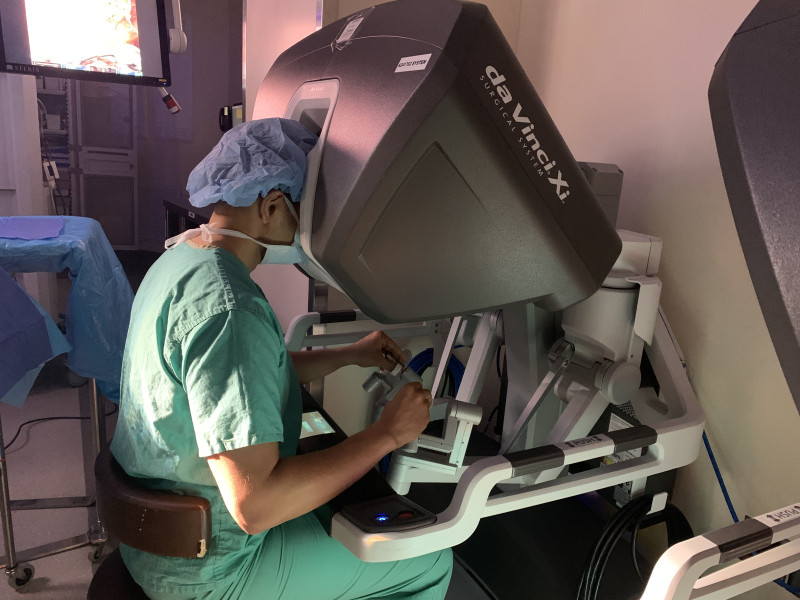
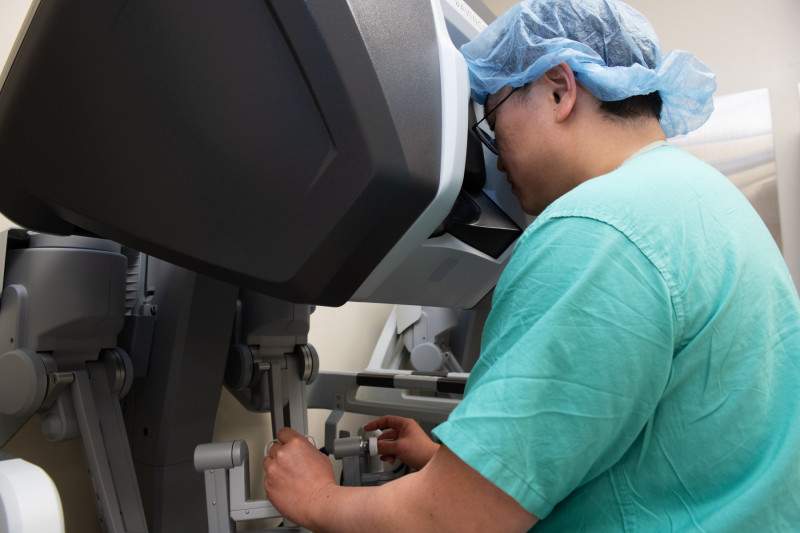
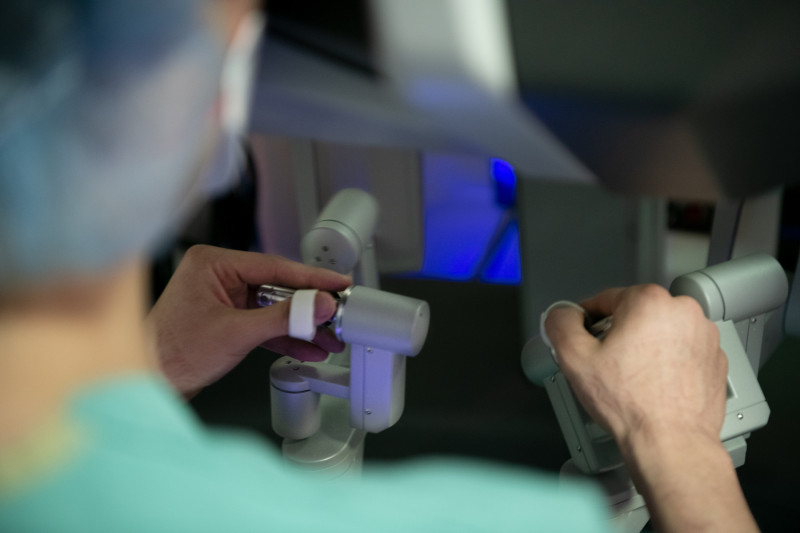
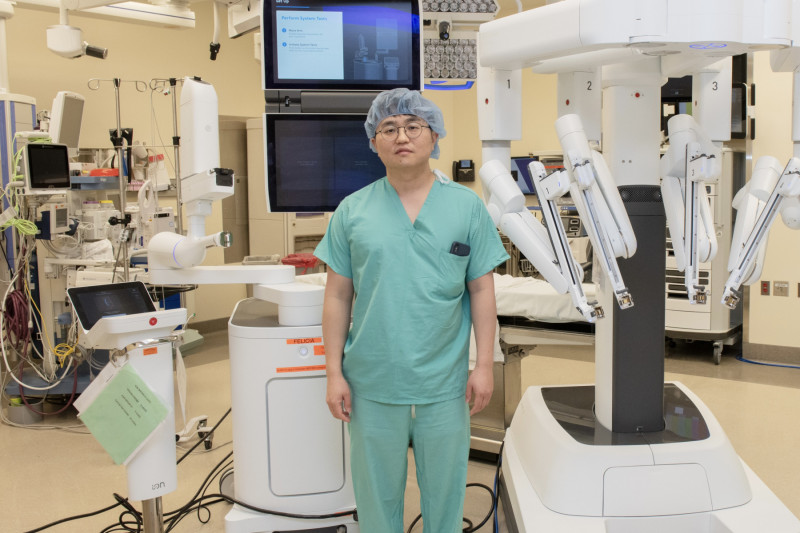
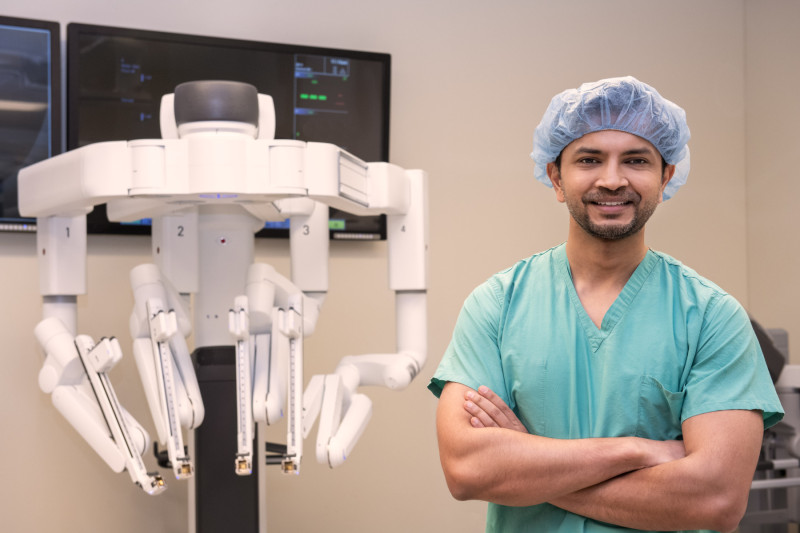
Instead of sawing through the breastbone and spreading the chest open for 8-10 hours of surgery, surgeons with the Northwestern Medicine Canning Thoracic Institute used the da Vinci Xi robotic system to perform the entire lung transplant through small incisions on each side of the chest.
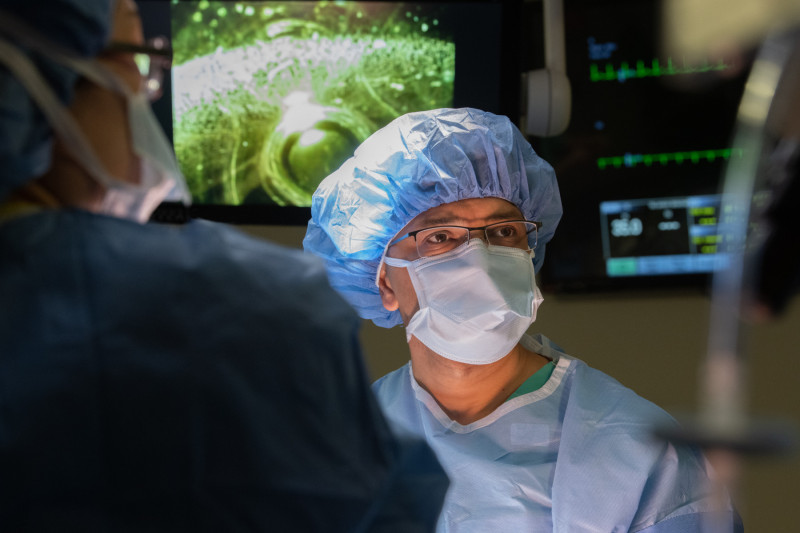
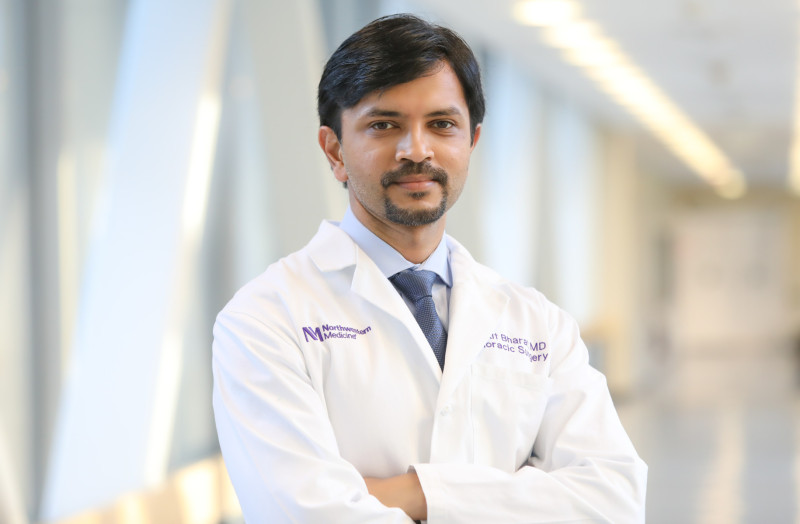
“A conventional lung transplant, where we cut through the breastbone and ultimately put it back together, is perhaps the most invasive, complex procedure performed at any hospital. We must open the chest like the hood of a car, so we have full access to the engine (lungs),” said Ankit Bharat, MD, chief of thoracic surgery and director of the Canning Thoracic Institute who performed the transplant. “A robotic approach allows us to dramatically reduce the invasiveness of the procedure, and we hope it will cut down on the recovery time for patients.”
The procedure was successfully performed in August on a 63-year-old Illinois man with chronic obstructive pulmonary disease (COPD). The patient was discharged from the hospital and continues to make an optimal recovery.
Advanced surgical benefits
The robotic approach allows surgeons to work with unprecedented precision using 3D visualization while seated at a console, rather than standing over an open chest for nearly ten hours. The robot’s micro-instruments navigate through 4-5 small incisions per side, carefully removing diseased lungs and implanting healthy ones.
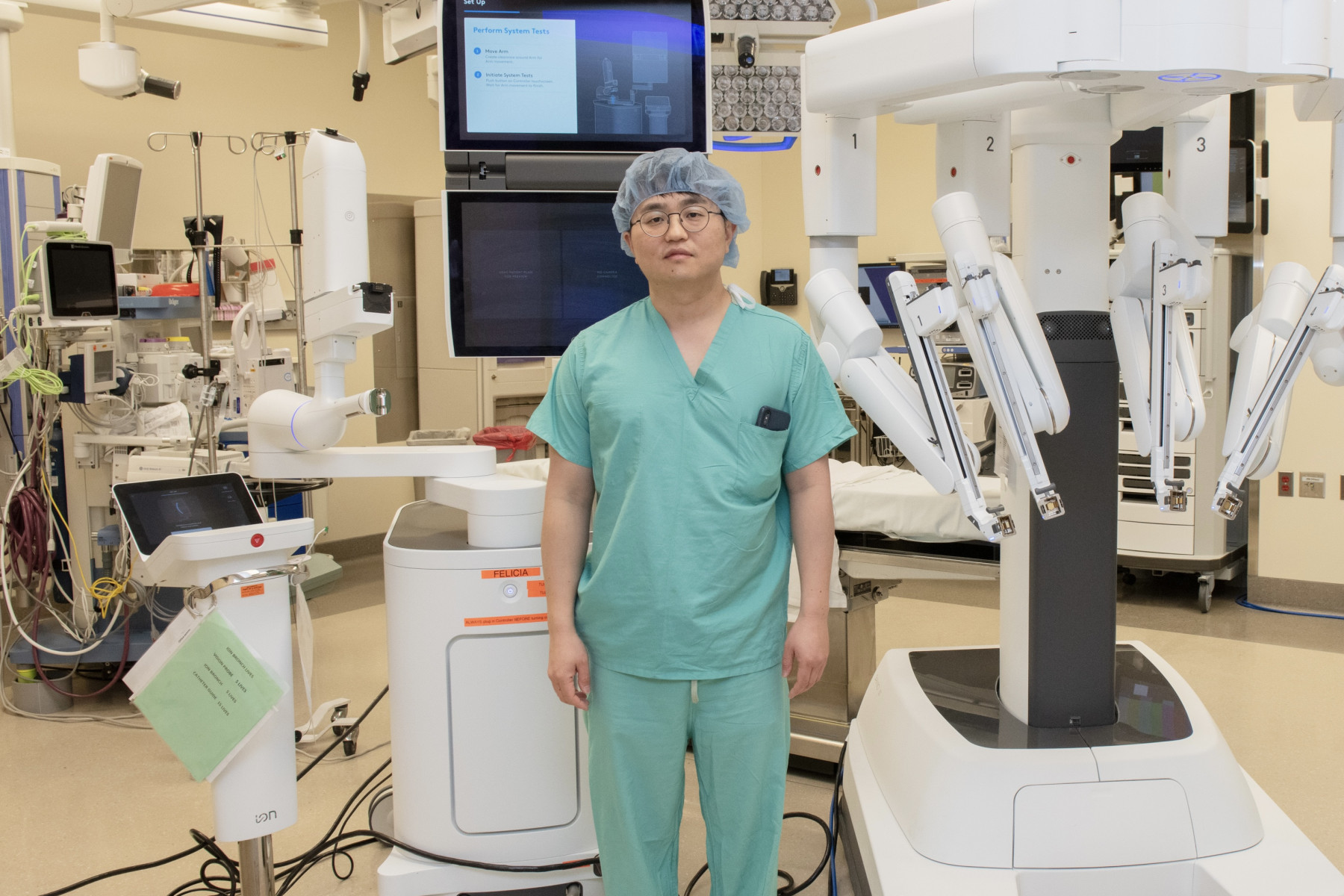
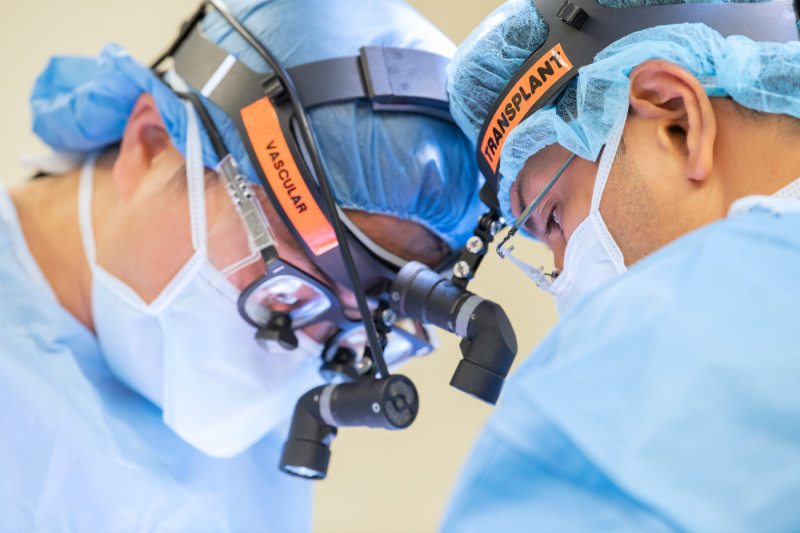
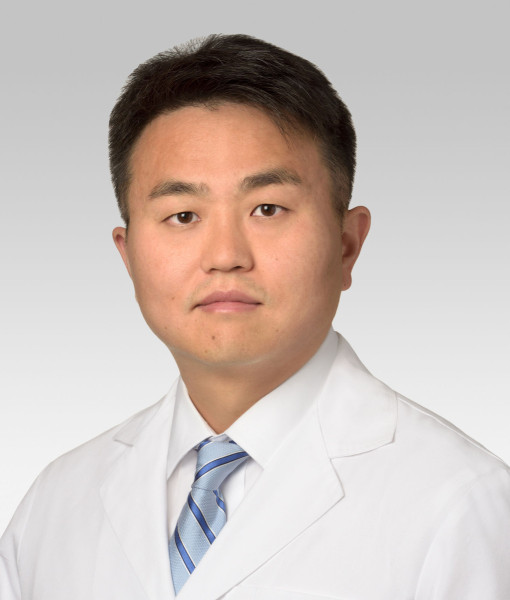
“The precision we achieve with robotic surgery is remarkable. We can perform incredibly complex maneuvers in tight spaces that human hands simply cannot access as effectively,” said Samuel Kim, MD, thoracic surgeon and director of Robotic Thoracic Surgery at the Canning Thoracic Institute who performed the procedure with Dr. Bharat. “While more long-term data is still needed, we believe recovery time for these patients will be cut in half because they’ll have less post-operative discomfort. Robotic surgery is rapidly evolving, especially in the field of thoracic surgery, and we believe there’s a clear role for lung transplantation in carefully selected patients.”
Available for select candidates
The procedure is ideal for patients with emphysema or lung fibrosis who have large chest cavities, no prior chest surgeries, stable heart function, and appropriate anatomy for the robotic approach.
“Every lung transplant carries life-or-death stakes with zero margin for error. We carefully select patients where robotics offers clear advantages without compromising safety or speed,” said Dr. Kim. “I don’t think robotic lung transplant will completely replace conventional lung transplant, but I do think it will become more popular in the future.”
“At the Canning Thoracic Institute, we have pioneered several transformative minimally invasive thoracic procedures such as the robotic lung volume reduction surgery for emphysema, A-PLUS program for lung cancer, robotic SAINT program for advanced stage lung cancer, and the robotic PREMIER program for esophageal cancer, so developing a robotic lung transplant program was quite easy for us,” said Dr. Bharat.
Illinois’ leading lung transplant program adds robotic capability
The Canning Thoracic Institute performed 148 lung transplants in 2024 – more than any other transplant center in the United States – with the shortest wait time of just four days. The addition of robotic lung transplantation enhances the program’s comprehensive surgical options.
Since 2014, the Lung Transplant Program has completed more than 600 lung transplants and pioneered multiple innovative approaches, including the first COVID-19 lung transplants in the U.S. and the DREAM program for advanced lung cancer patients. The pulmonology and lung surgery program at Northwestern Memorial Hospital is proud to be the highest-ranked in Illinois for 14 straight years and No. 7 in the U.S.
Patients with end-stage lung disease interested in being evaluated for a lung transplant can contact the 24-hour referral line at 312.695.5864 or 844.639.5864. For more information about the Lung Transplant Program, visit nm.org/pulmonary.
Contact

Add me on LinkedIn (opens in new window)
|
Jenny Nowatzke Program Director, Media Relations Northwestern Memorial Hospital Pulmonology and Lung Surgery, Cancer, Infectious Diseases |