

Northwestern Medicine and Family Health Partnership Clinic Strengthen Lifeline for Uninsured Residents of McHenry County
Collaboration helps expand access to affordable, high-quality, comprehensive medical care
McHenry, IL — March 6, 2026 — With thousands of Illinois residents losing health insurance or facing skyrocketing premiums for increasingly limited coverage, Northwestern Medicine and Family Health Partnership Clinic (FHPC) are deepening their collaboration to ensure uninsured adults in McHenry County can still access high‑quality, comprehensive medical care.
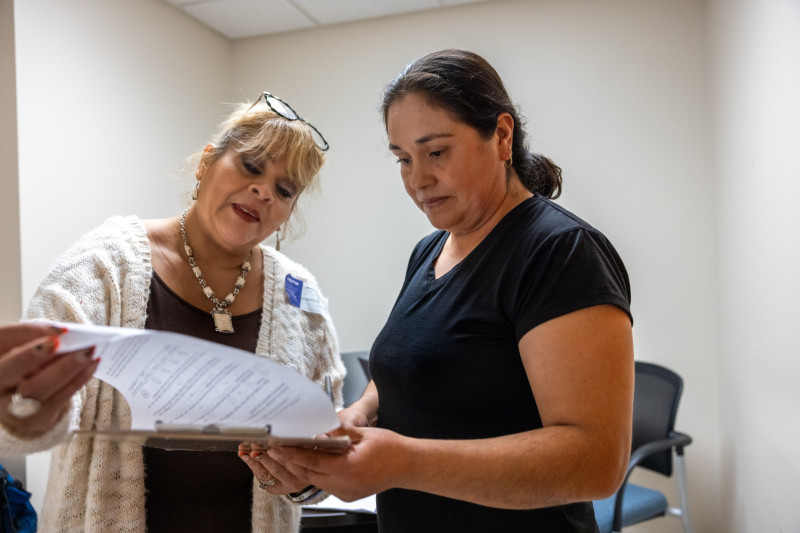
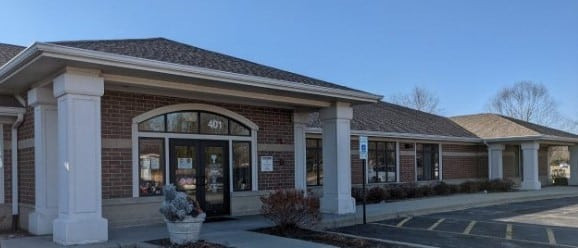
Located in Crystal Lake, FHPC is a nonprofit clinic serving uninsured adults in McHenry County. The clinic, which does not accept insurance, operates on a sliding fee scale and will not turn anyone away due to inability to pay.
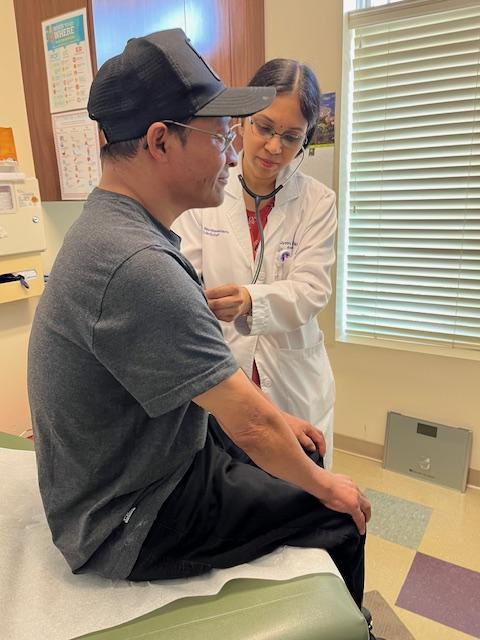
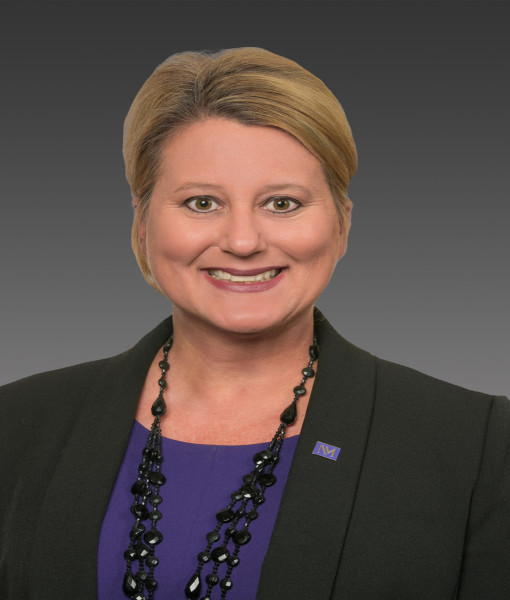
“FHPC is an indispensable part of the safety net in McHenry County,” said Catie Schmit, president of Northwestern Medicine McHenry Hospital and Northwestern Medicine Woodstock Hospital. “In a year when more residents are losing coverage or facing impossible insurance costs, their work has never been more crucial and Northwestern Medicine is proud to stand beside them.”
With local families reporting dramatic increases in monthly premiums, shrinking provider networks, and rising copays, the clinic expects a sharp uptick in the number of patients needing care in 2026. To meet growing demand, FHPC hired additional staff, expanded clinic operations, adopted telehealth efficiencies, and strengthened transition of care workflows to handle the anticipated surge.
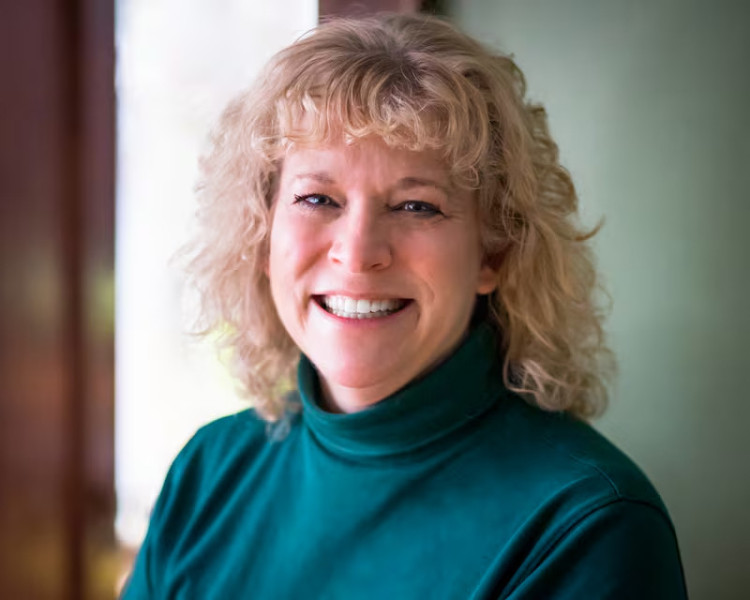
Despite the mounting pressures, FHPC’s executive director Suzanne Hoban says support from community partners like Northwestern Medicine is one factor that has prepared the organization to meet this growing demand for patient care.
“Northwestern Medicine has been a fabulous partner and truly a gold standard in what community collaboration looks like,” said Hoban. “This collaboration is built on what truly matters: ensuring that no one in our community goes without care simply because they can’t afford insurance.”
Support Built on “Time, Talent, and Treasure”
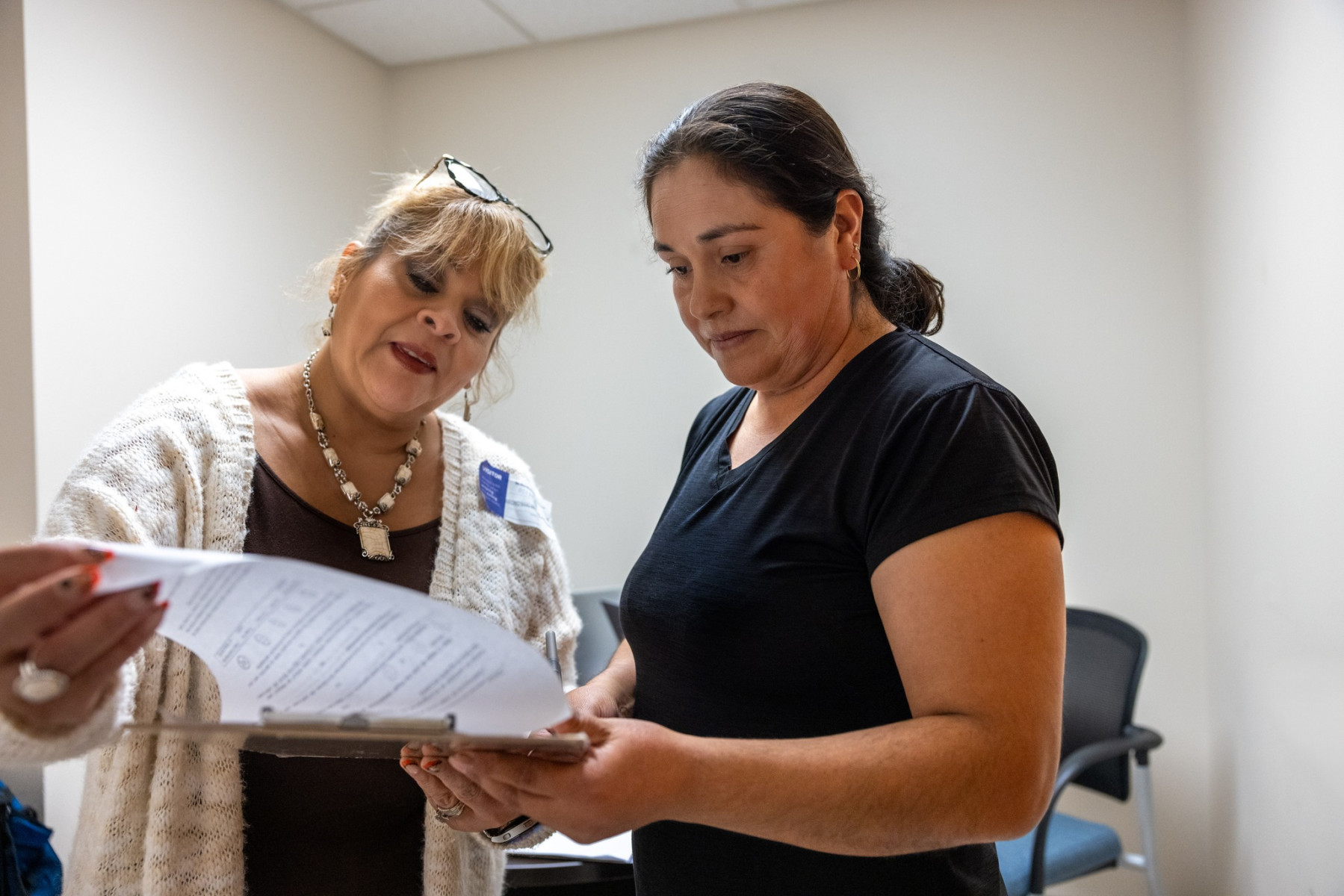
According to Hoban, Northwestern Medicine’s support is built on three essential needs: time, talent and treasure. This includes volunteer physicians, access to specialty care and funding to support the clinic’s operations. An annual grant funds nursing staff, supply purchasing, and essential programs such as the in‑house pharmacy and food pantry.
In 2025, the number of Northwestern Medicine physicians volunteering to see patients at FHPC more than doubled, making it possible to serve significantly more patients without increasing wait times for appointments.
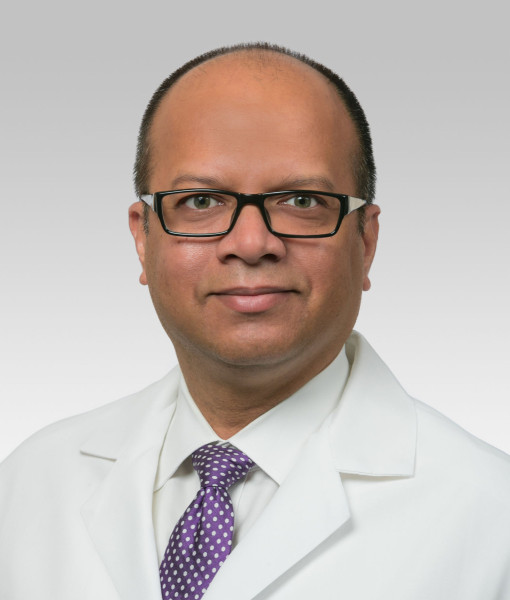
“Our physicians volunteer because they believe deeply in the clinic’s mission,” said Irfan Hafiz, MD, chief medical officer at Northwestern Medicine McHenry, Huntley and Woodstock hospitals. “They see firsthand how removing barriers like transportation, cost, and medication access can dramatically change a patient’s health trajectory. This is the kind of work that reminds us why we went into medicine.”
When a patient requires care beyond the capabilities of the clinic, they have streamlined access to advanced specialty care through Northwestern Medicine, as well as access to financial assistance and counseling.
“Northwestern Medicine works with us to fast‑track financial assistance applications for FHPC patients needing specialty services, surgeries, and follow‑up care,” said Hoban. “This is vital for our patients with needs outside the bounds of primary care. A lack of insurance doesn’t prohibit them from receiving lifesaving care.”
High-Quality Care for Those with Nowhere Else to Turn
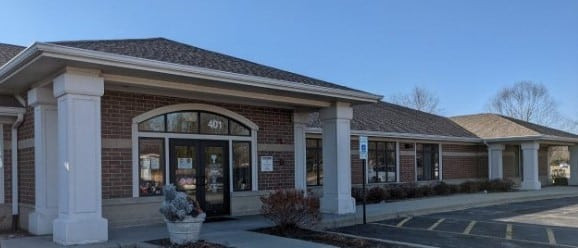
Unlike federally qualified health centers (FQHCs), FHPC receives no federal funding and does not accept Medicaid or private insurance. The clinic exclusively provides care to uninsured residents of McHenry County. All operations are funded by community donors, charitable foundations, and partners like Northwestern Medicine.
The clinic provides comprehensive primary care along with behavioral health and specialty clinics for endocrinology and orthopedics, as well as in-house optometry, physical therapy, dental care, pharmacy, and a food pantry to address social determinants of health.
Many FHPC patients present with high‑acuity, chronic illnesses more typically seen in hospital settings, including uncontrolled diabetes, hypertension, mental health conditions, cardiac issues, and neurologic disorders.
“Our patients are sick. They’re not coming in for annual physicals but arriving with complex medical needs that would be rare in a typical primary care office,” Hoban said. “Social determinants, such as poverty, food insecurity, or impossible work schedules, contribute to this acuity and lead many patients to delay needed care for much too long. Our model removes every barrier we can.”
The clinic’s integrated approach with labs, clinical care, medication dispensing, and social support all under one roof, allows patients working multiple jobs or without access to reliable transportation to access care efficiently and consistently. Despite misconceptions about charitable clinics, FHPC delivers outcomes that often outperform privately insured patient populations.
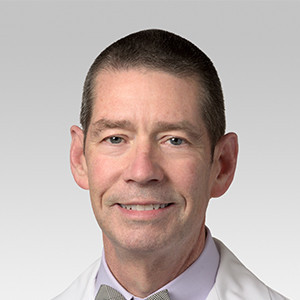
“One of the strengths of FHPC is their comprehensive care model that gives patients access to labs, medications, behavioral health services and specialty clinics all under one roof,” said John Guido, MD, radiologist and immediate past medical staff president for Northwestern Medicine McHenry, Huntley and Woodstock Hospitals, who helped drive the increase in Northwestern Medicine physicians volunteering at FHPC. “In this integrated environment, patients receive continuous care rather than episodic, crisis‑driven care, which we know leads to better long‑term outcomes. For physicians who volunteer their time and expertise, this model allows them to practice high‑quality, efficient medicine for the patients they serve.”
Preparing for a Hard Year Ahead
As health insurance premiums spike—jumping from $300 to more than $1,000 a month for some McHenry County residents —a growing number of people have dropped coverage all together. This trend could bring an unprecedented wave of newly uninsured adults in the county. Even with this anticipated surge of newly uninsured, FHPC is ready to meet the demand and Northwestern Medicine is ready to support them.
“This collaboration is a model for what community healthcare can look like,” said Schmit, who is on the board of FHPC. “In a challenging healthcare environment, together FHPC and Northwestern Medicine demonstrate that mission‑driven partnerships can still thrive and make a meaningful impact.”
FHPC aims to not only provide high quality care, but to also deliver it with compassion and respect.
“This is a systemic failure, not an individual one,” said Hoban. “Losing insurance shouldn’t be a source of shame. We want people to know we are here for them – before their health crisis becomes an emergency.”
For more information about FHPC and to find community resources, visit https://hpclinic.org/.
Contact

|
Megan McCann Program Director, Media Relations Northwestern Medicine Health Network Central DuPage Hospital, Lake Forest Hospital, Palos Hospital, Delnor Hospital, Kishwaukee Hospital, Valley West Hospital, Marianjoy Rehabilitation Hospital, McHenry Hospital, Huntley Hospital, Woodstock Hospital, Proton Center |