

New Heart Valve Helps 83-year-old Hometown Woman Breathe Easier and Creates a Deeper Bond Between Mother and Son
Less invasive TAVR opens the door to life saving treatment for patients once considered too high risk for surgery
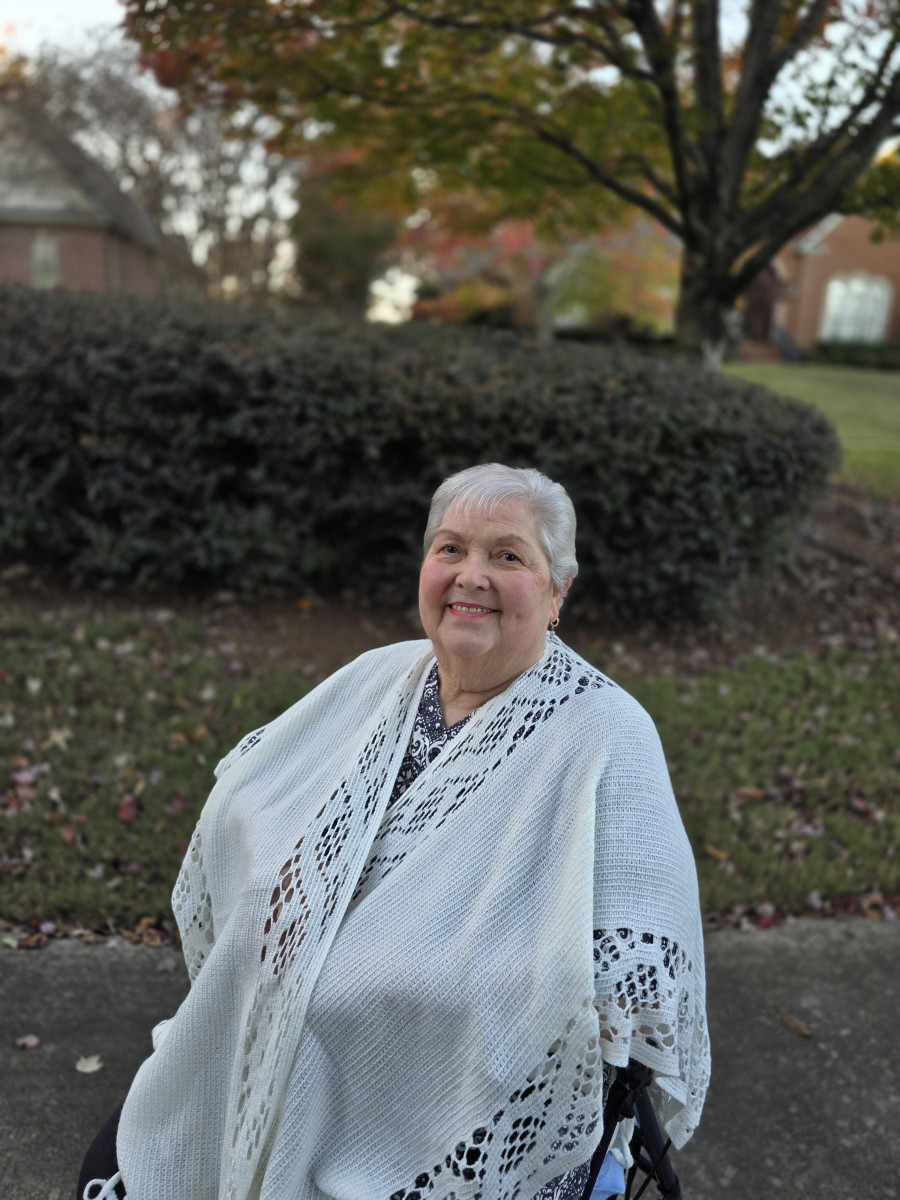
Palos Heights, IL — February 19, 2026 — Elizabeth Kapovich, 83, of Hometown, IL, started the new year breathing in joy and a sigh of relief. Mere months ago, Liz, as she prefers to be called, completed cardiac rehabilitation after undergoing a successful and lifechanging transcatheter aortic valve replacement (TAVR) procedure.
It started a few years ago when Kapovich sought care for RSV.
“I was out of breath. I was in the hospital for a while, and that kind of set me back, and that’s when they discovered it. The doctor, he said, you have a bad valve,” she said.
Her primary care physician sent Kapovich to see interventional and structural cardiologist Anshuman Das, MD, with the Bluhm Cardiovascular Institute at Northwestern Medicine Palos Hospital. Her progressive dyspnea (shortness of breath) resulted in a diagnosis of severe aortic valve stenosis. The serious heart condition meant her aortic valve opening had become very narrow because of calcium buildup, and her blood flow was restricted. Her heart – and her body – was having to work much harder.
More than 13 percent of Americans over the age of 75 will develop aortic stenosis. It’s most commonly a result of increased calcification of the heart with aging, but it can also be a congenital abnormality.
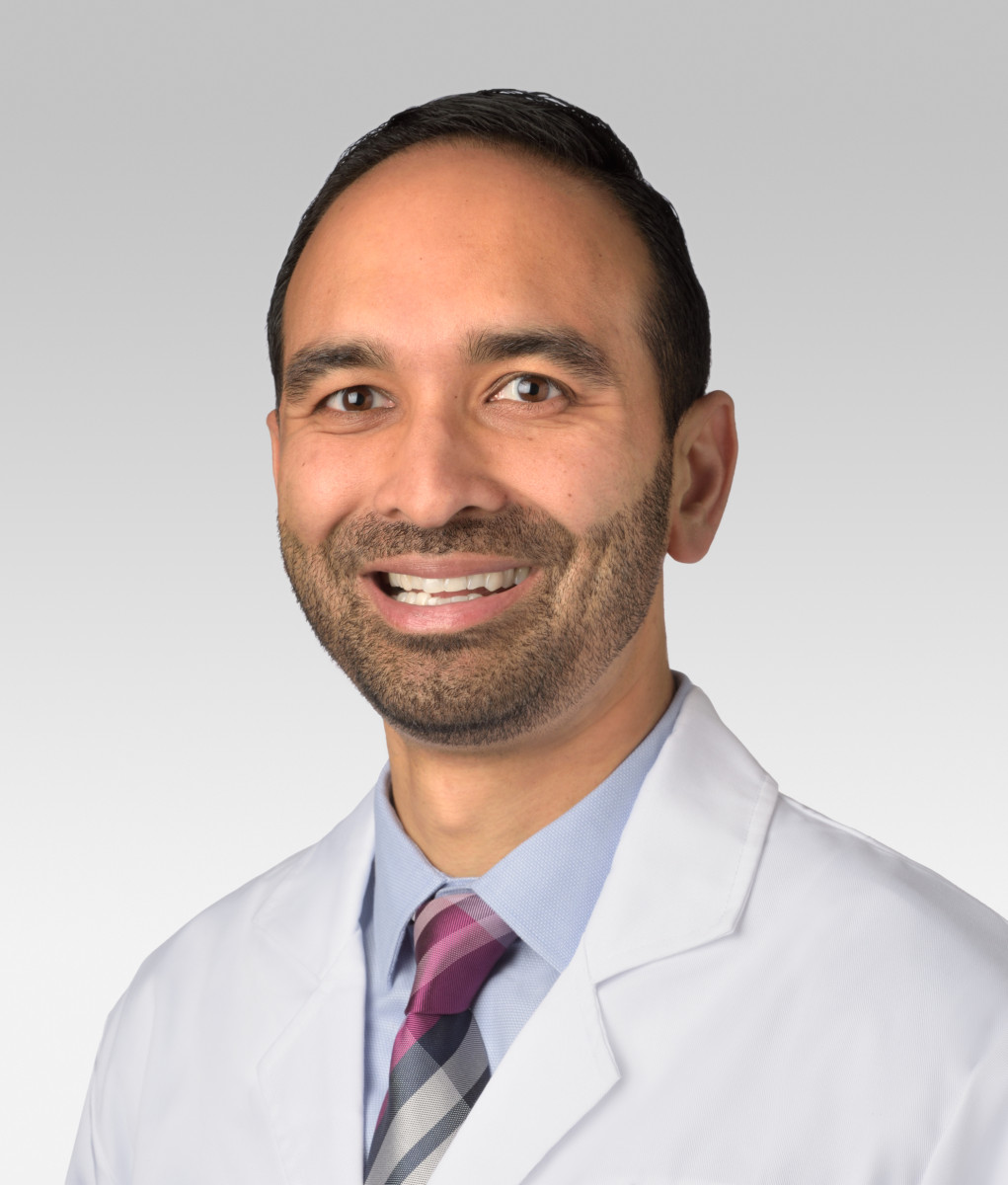
Kapovich was experiencing worsening symptoms and was at an age where traditional open-heart surgery carries higher risk. That's why Dr. Das and the structural heart team at Northwestern Medicine Palos Hospital recommended she undergo transcatheter aortic valve replacement (TAVR), a minimally invasive approach that has dramatically changed the outlook for many individuals with severe aortic stenosis. TAVR moves valve replacement from the operating room to a cardiac catheterization lab, which can translate to a less traumatic procedure, a shorter hospital stay, and a much faster recovery compared to open heart surgery.
“For many older adults or those with significant comorbidities, TAVR offers an option that was not available merely 10 or 15 years,” Dr. Das said. “As people age, they often develop other medical conditions that can make open-heart surgery too risky. TAVR allows us to treat a serious valve problem safely while helping patients return to their lives much sooner.”
The Bluhm Cardiovascular Institute performs the highest volume of transcatheter and surgical valve procedures in Illinois, vastly growing to serve suburban patients closer to home since doctors conducted the first procedure in Illinois as part of a clinical trial in 2008 at Northwestern Memorial Hospital.
“At Northwestern Medicine, our aim is to deliver compassionate, modern, evidence-based medicine that is convenient and accessible for the patient,” Dr. Das said. “Liz is a perfect example of how our heart team at Northwestern Medicine Palos Hospital collaborates to make a meaningful impact. We like to make a connection with our patients by understanding who they are as a unique individual. This allows us to understand what their goals are with their care and how best we can help.”
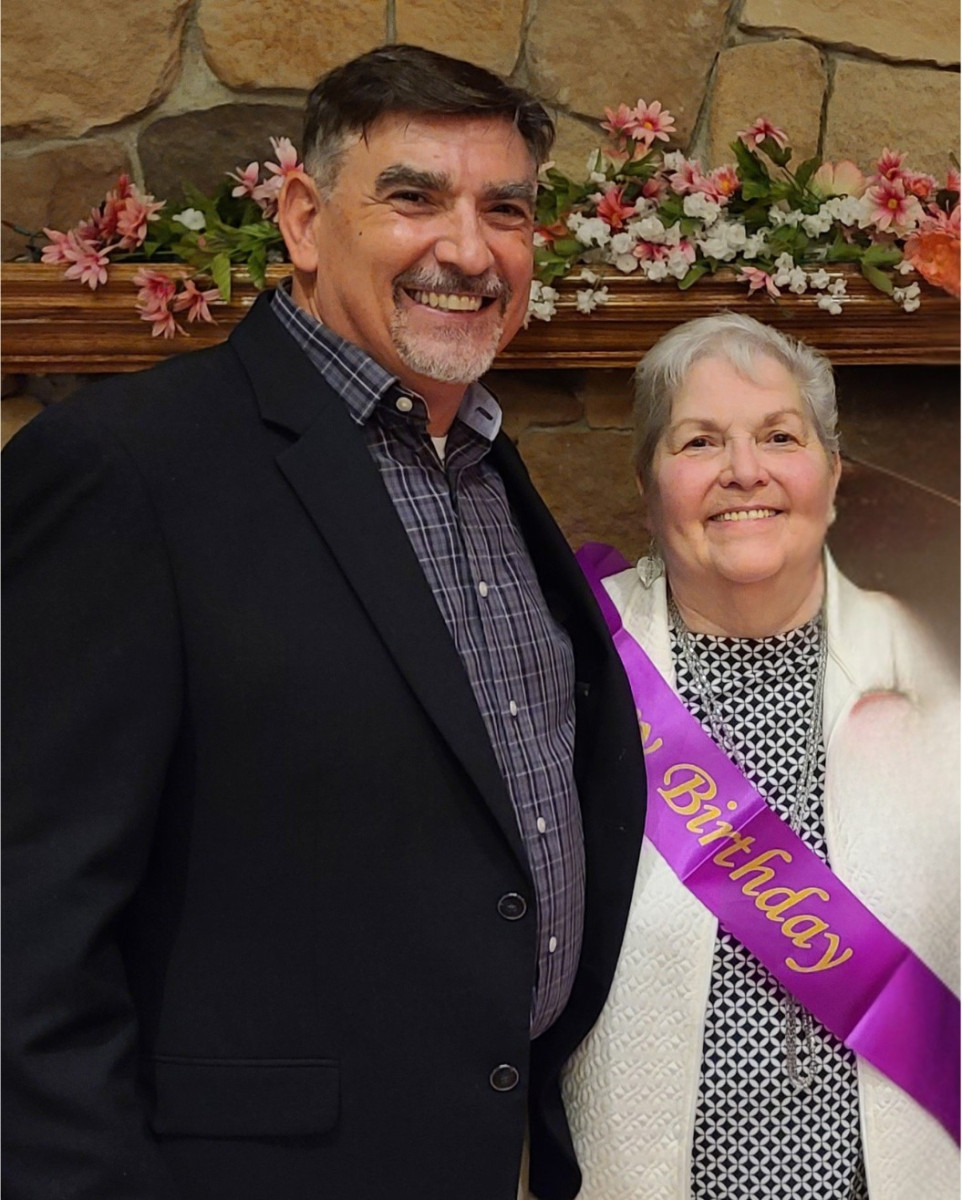
For Kapovich, that included her son, Ron Koronkowski, who had a deep understanding of the procedure his mom was about to undergo.
“I’ve been involved in working on some novel cardiovascular device developments in my career, mainly in structural heart areas,” he said. “It doesn’t come close to home that often, but this sent a chill down my spine. It was like, oh my gosh, this is really going to happen. And on the flip side of that, I felt a high level of confidence that this device is going to do exactly what it’s intended to do. I was totally impressed with Northwestern Medicine’s level of care.”
During a TAVR procedure, a small tube, or catheter, goes into an artery and then into the heart. That catheter is then used to deliver a new heart valve, displacing the diseased dysfunctional valve. The new valve immediately takes over regulating blood flow. For seniors, this minimally invasive approach reduces the stress placed on the body, lowers the risk of complications, and often leads to noticeable improvement within hours.
“Because the procedure is minimally invasive, many of our patients notice easier breathing and more energy later that same day,” said Dr. Das. “By offering this level of advanced heart valve care right here in the South Suburbs at Northwestern Medicine Palos Hospital, we’re making it possible for patients to receive life‑changing treatment close to home, surrounded by the people who support them.”
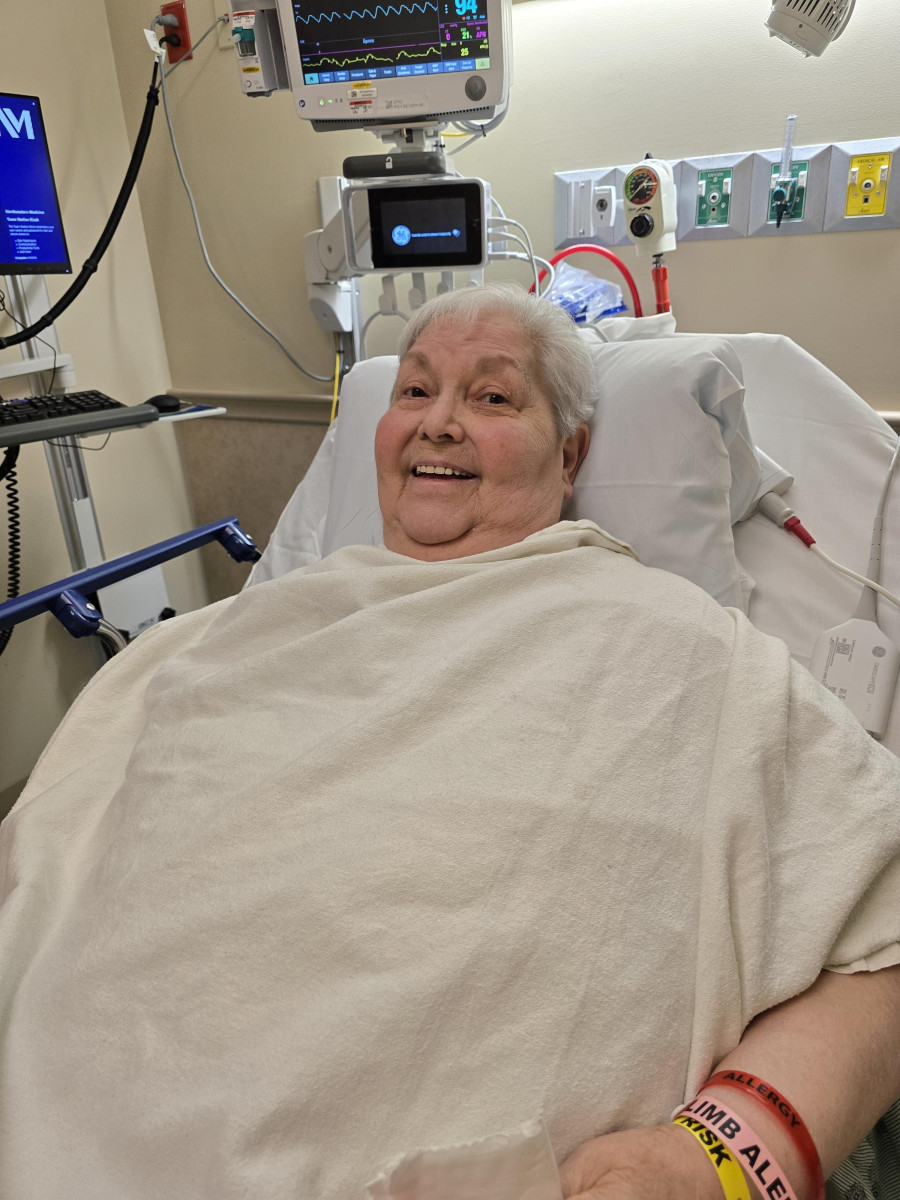
The first day post-TAVR, Kapovich recalls she was walking farther and feeling better about breathing. She also completed cardiac rehab and was thrilled to celebrate the holidays with her family. She started 2026 with more energy and feeling grateful for the successful treatment and device.
“I wasn’t out of breath anymore,” she said joyously. “They’re so helpful at the rehab. If you need anything, they’re right there, helping you. It’s very nice to know that if you need anything at all, just ask.”
To learn more about the TAVR procedure at Northwestern Medicine, please visit
To connect with the Bluhm Cardiovascular Institute (BCVI) at Northwestern Medicine Palos Hospital, please visit https://www.nm.org/locations/bluhm-cardiovascular-institute-at-palos-hospital.
To learn more about Northwestern Medicine, visit https://news.nm.org/.
Contact

|
Megan McCann Program Director, Media Relations Northwestern Medicine Health Network Central DuPage Hospital, Lake Forest Hospital, Palos Hospital, Delnor Hospital, Kishwaukee Hospital, Valley West Hospital, Marianjoy Rehabilitation Hospital, McHenry Hospital, Huntley Hospital, Woodstock Hospital, Proton Center |