

Minimally invasive TFA procedure provides relief from uterine fibroids
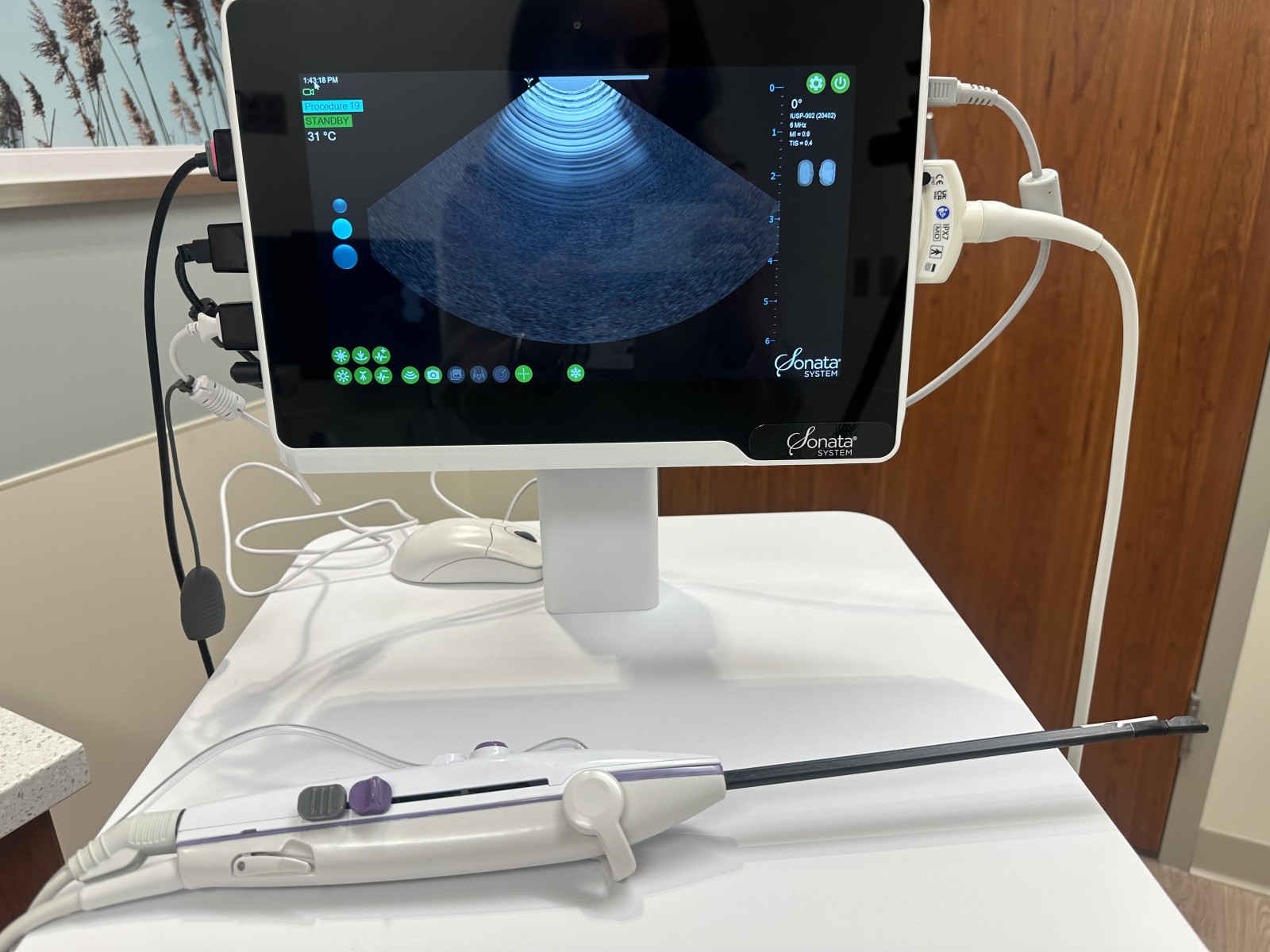
PALOS HEIGHTS, Ill – For millions of women, uterine fibroids are more than a medical issue – the condition can cause heavy bleeding, chronic pain and interfere with work, relationships, and quality of life. At Northwestern Medicine, a minimally invasive procedure called transcervical fibroid ablation (TFA) is helping patients find relief – without the need for major surgery.
Cayce McConnell, 46, was exhausted from enduring heavy, painful periods each month.
“It got to the point where I needed iron infusions and was missing work at times, and it was disruptive,” McConnell said.
The Frankfort nurse practitioner went to see her doctor, who recommended an ultrasound. McConnell was diagnosed with uterine fibroids, which wasn’t a big surprise.
“I do have a strong family history. A lot of my aunts, almost all of them, have had uterine fibroids, and almost all of them have had a hysterectomy,” McConnell said.
Understanding uterine fibroids
Uterine fibroids are the most common type of abnormal growth in a woman’s uterus.
The estrogen-dependent tumors impact as many as 80% of people with a uterus during their reproductive years, from teens all the way through menopause.
“Uterine fibroids affect millions of women per year. They can cause abnormal bleeding, fertility problems and pelvic pain,” said Alexander Lin, MD, OB/GYN, medical director for women’s health at Northwestern Medicine Palos Hospital.
Heavy menstrual periods or prolonged menstrual periods are the two most common symptoms.
“In addition to heavy or prolonged bleeding, fibroids can cause other symptoms. As fibroids grow, they can cause pressure on the bladder because they'll make the uterus enlarge and push on the bladder. Fibroids can also push on the intestines. Fibroids can also cause bloating and pain,” said Dr. Lin.
Exploring treatment options
To find relief from their uterine fibroids, several of McConnell’s aunts chose to undergo a hysterectomy, a surgical procedure to remove a woman’s uterus.
A busy mom of two teenagers, McConnell was hoping to avoid major surgery, if possible.
To better understand her treatment options, she made an appointment to see Dr. Lin at Northwestern Medicine Palos Hospital.
“It was when I met Dr. Lin that he told me about a new option that targets and gets right to the root of the problem, the fibroids,” McConnell said.
Transcervical fibroid ablation
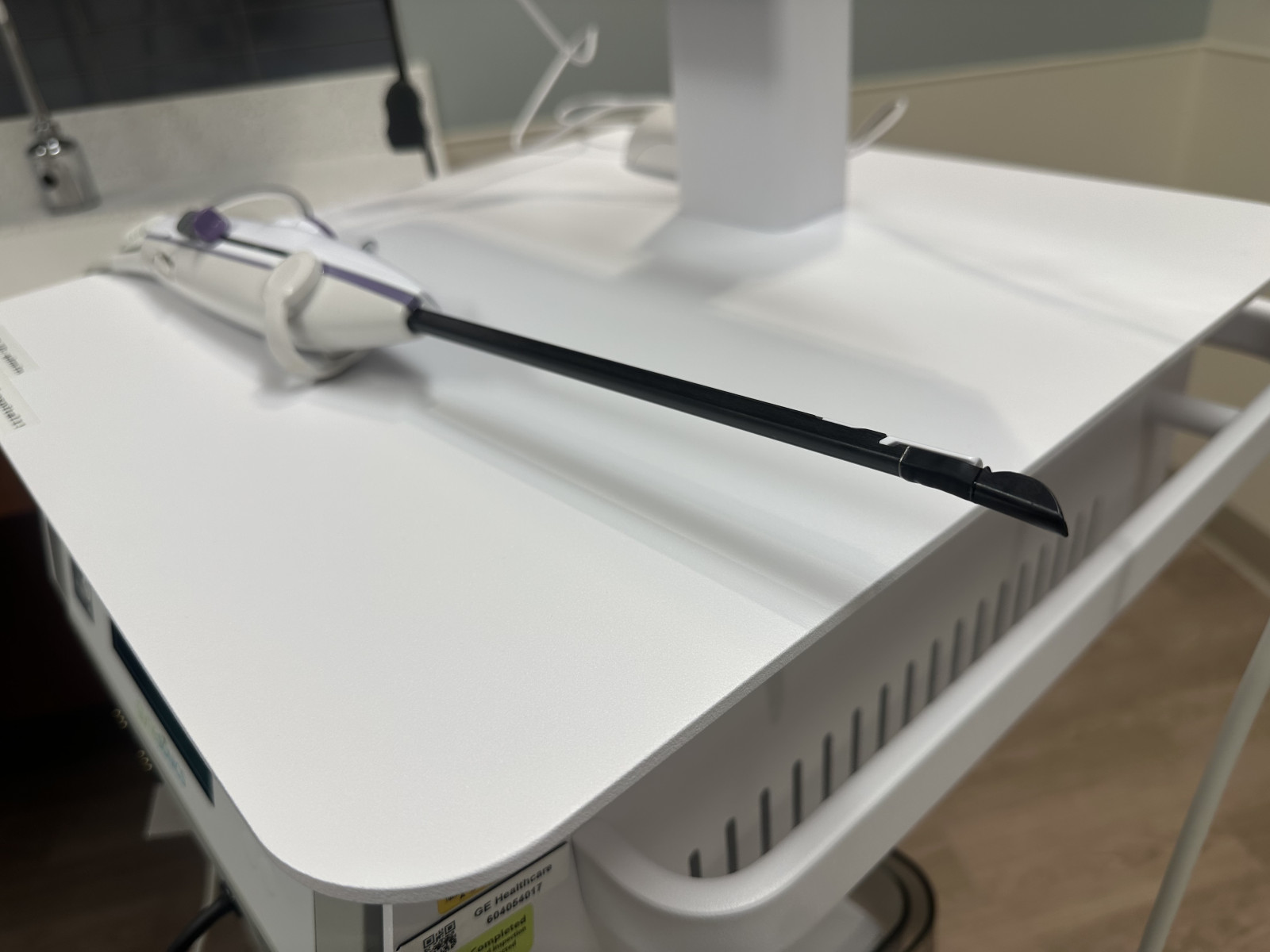
The new treatment option is called transcervical fibroid ablation, a minimally invasive procedure that uses radiofrequency energy to destroy the fibroids without incisions.
“Transcervical fibroid ablation (TFA) uses a type of energy called RF energy, or radio frequency energy. We can think of it as a form of electrical energy, which then heats the fibroid tumors, which are proteins, and helps break them down,” Dr. Lin said.
During the outpatient procedure, Dr. Lin uses new technology that combines intrauterine ultrasound with radiofrequency to target and shrink fibroids. There are no incisions, which means there is virtually no recovery time and patients can feel relief from the symptoms in as little as three months.
“Approximately 90% of patients who have symptoms with bleeding or pain will get very good relief following the fibroid ablation treatment. Recovery is very rapid. The patients usually don't have much pain at all. Typically, the following day, they're already back to work and functioning normally,” Dr. Lin said.
Finding relief from uterine fibroids
Cayce McConnell chose to have the TFA procedure performed at Northwestern Medicine Palos Hospital, the first facility to offer the procedure in Chicago’s south suburbs.
“I was in and out. I was in the room for maybe an hour or two, and then in recovery for an hour and went home the same day. I actually went to work two days later, so it was great,” McConnell said.
Within a month, McConnell noticed significant relief from the period symptoms she had experienced previously. Her periods are now lighter, less painful and not disrupting her life. She is sharing her experience with friends and family members, who were unaware there is a treatment for uterine fibroids that doesn’t involve major surgery.
“Almost everyone in my family was like, ‘How did you hear about that? How did you do that and not get an incision and not have to be cut or have a hysterectomy?’ McConnell said. “I’m happy to share it with anyone, because it was great for me.”
Treating uterine fibroids at Northwestern Medicine
Northwestern Medicine offers a range of treatment options for uterine fibroids. Our minimally invasive gynecologic experts offer telehealth visits after imaging, to review the results with patients and develop a treatment plan.
In addition to Northwestern Medicine Palos Hospital, Northwestern Medicine offers TFA at Northwestern Memorial Hospital in Chicago and at Northwestern Medicine Lake Forest Hospital in the northern suburbs. For more information, please visit www.nm.org.
Contact

|
Aneta Crisp Specialist, Media Relations Northwestern Medicine Health Network Central DuPage Hospital, Lake Forest Hospital, Palos Hospital, Delnor Hospital, Kishwaukee Hospital, Valley West Hospital, Marianjoy Rehabilitation Hospital, McHenry Hospital, Huntley Hospital, Woodstock Hospital |