

Mesh-free hernia repair offers patients a new option at Northwestern Medicine
Megan Melland-Smith, MD, brings tissue-based hernia repair procedure with WWII roots to the Northwestern Medicine Digestive Health Institute
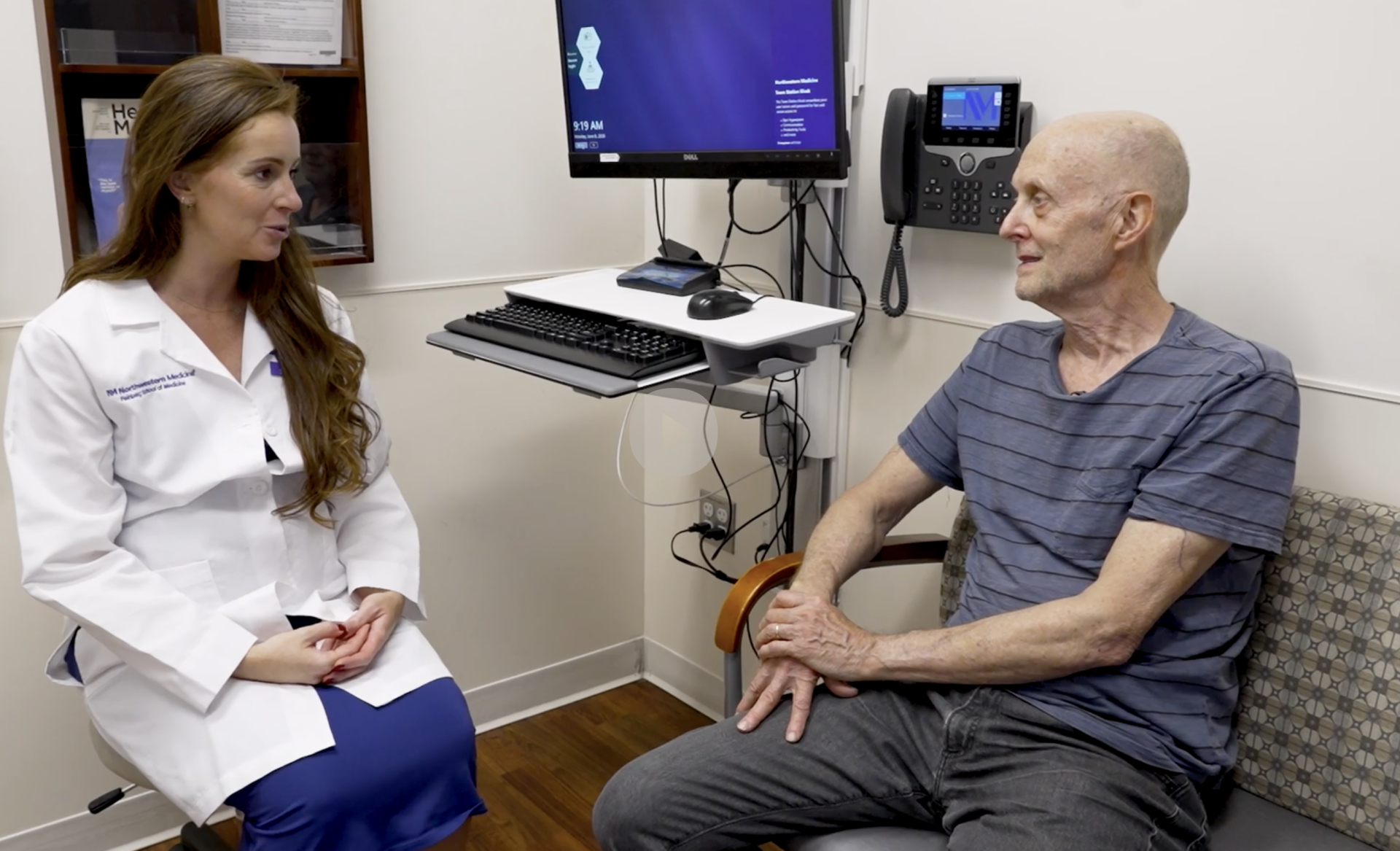
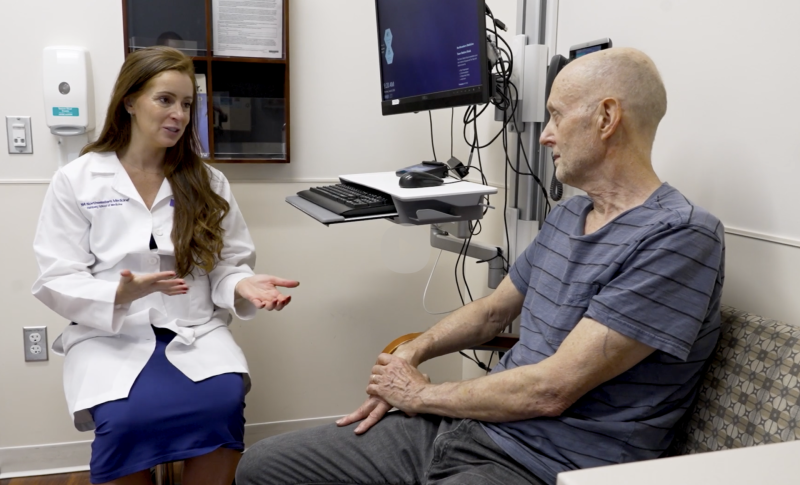
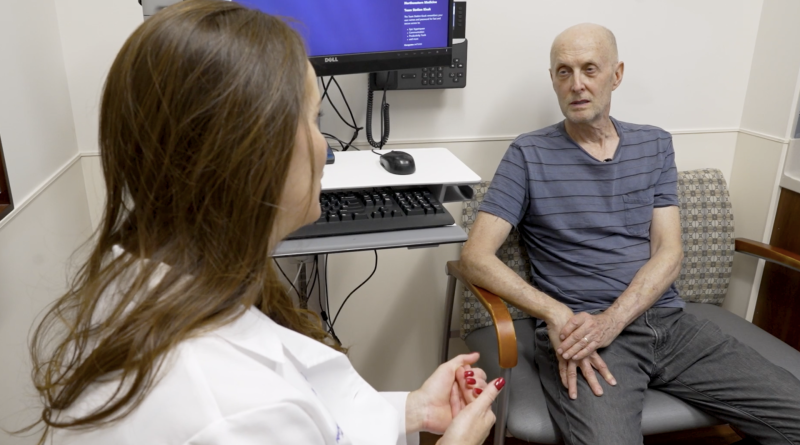
Chicago, IL – June 24, 2026 – When Craig Conover of Chicago, Illinois, began experiencing discomfort from a bulge in his groin, he learned he had an inguinal hernia — a common condition that often requires surgery. The retired infectious diseases doctor knew it needed to be repaired but was concerned the standard approach with surgical mesh would not be a strong fit for his active lifestyle.
“The surgery with the best track record that doesn't involve mesh is called the Shouldice repair, and there's only a handful of surgeons in the United States that do this,” said Conover.
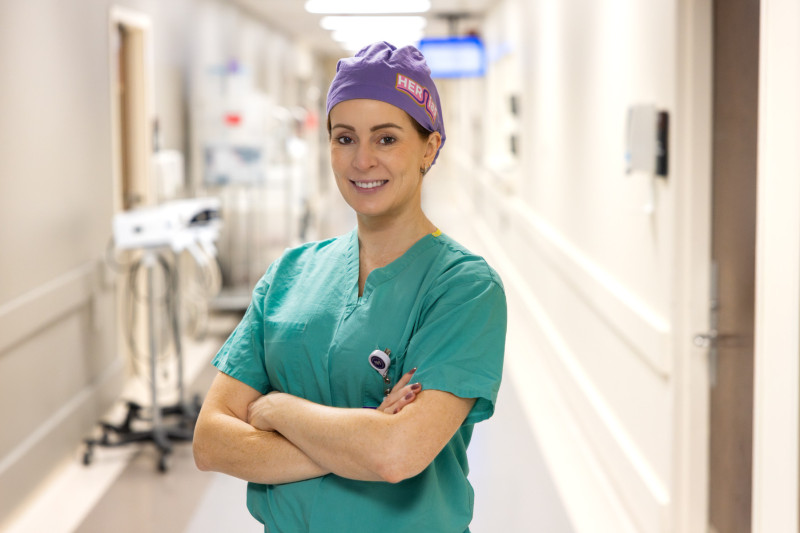
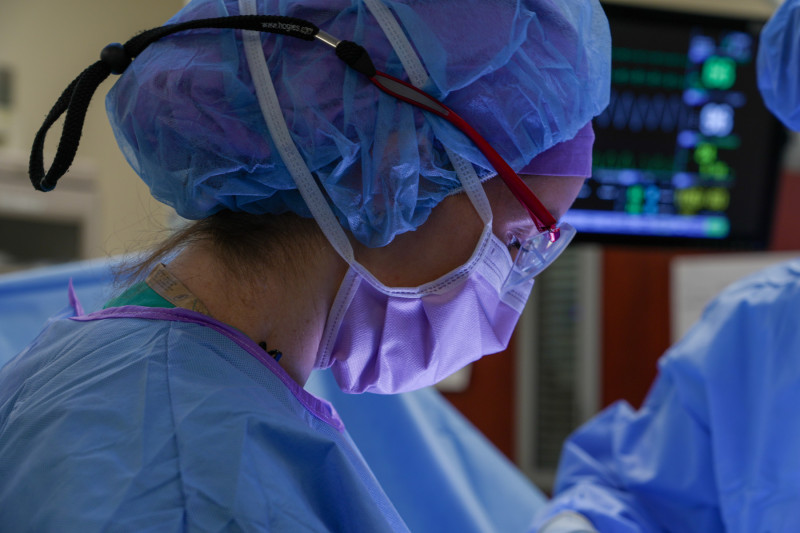
Luckily, he didn’t have to search far for a surgeon with the skillsets to execute such a technical repair. Megan Melland-Smith, MD, a gastrointestinal surgeon, joined the Northwestern Medicine Digestive Health Institute in October 2025, bringing with her a specialized expertise in hernia care, abdominal wall reconstruction and a track record for performing the tissue-based Shouldice repair.
“The overwhelming benefit is that you avoid a large piece of mesh in your groin,” said Dr. Melland-Smith.
Tissue-based technique with WWII roots
Most groin hernia repairs in the United States use surgical mesh, a permanent implant that reinforces the abdominal wall. The material resembles a flexible plastic net and remains in the body for life, but some patients prefer to avoid surgical mesh.
“Mesh has come a long way from an engineering standpoint and is very safe, but it is a foreign body. It's permanently implanted for the rest of your life,” said Dr. Melland-Smith. “Some people can get inflammation around the mesh, and others have a foreign-body sensation of their mesh. It can irritate nerves in the groin.”
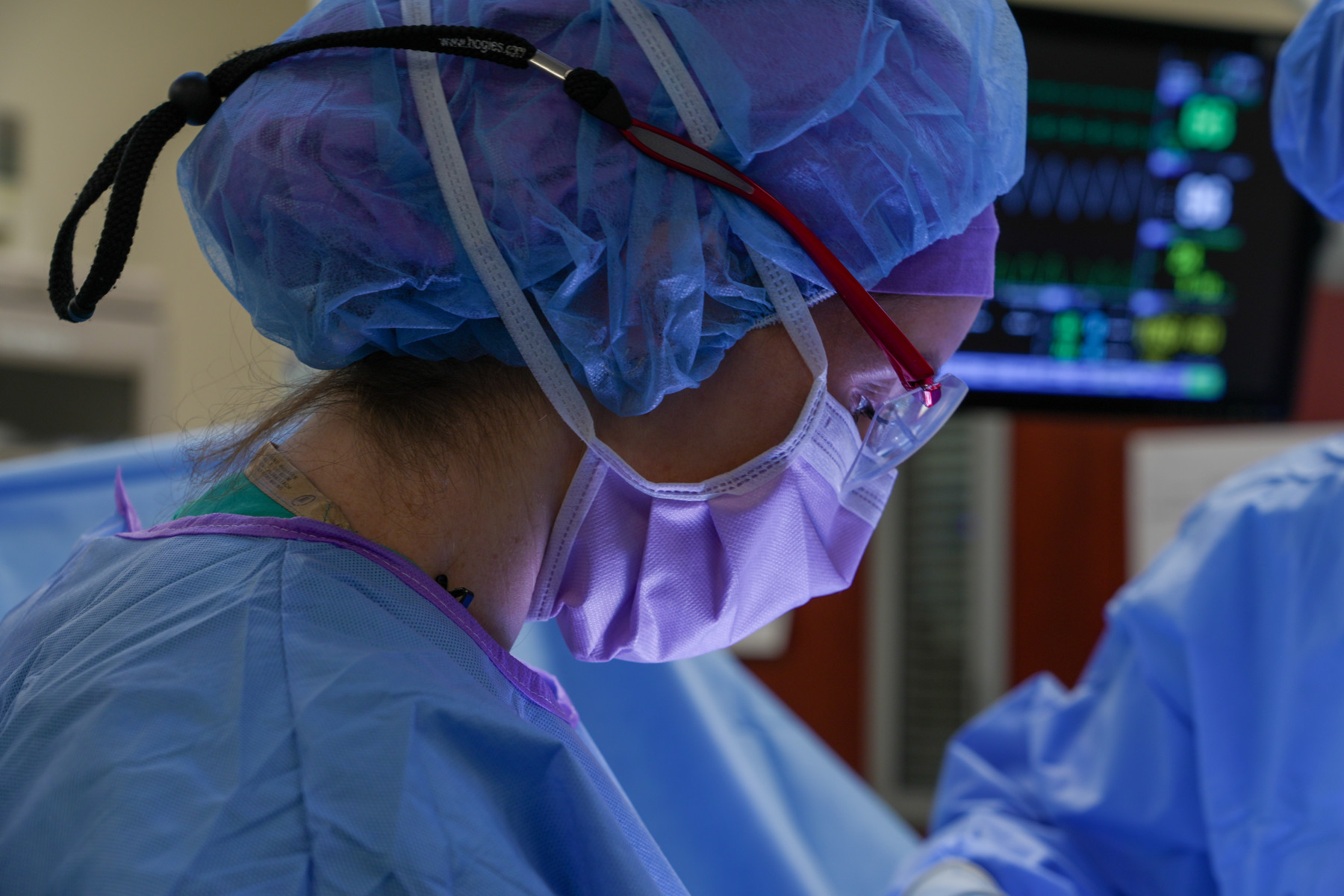
The Shouldice technique offers a different option. Instead of mesh, surgeons repair the hernia using the patient’s own tissue. The procedure is performed through a small open incision in the groin and reconstructs the abdominal wall with a four-layer tissue closure. The method was developed during World War II at Shouldice Hospital in Toronto.
“Back then, there was no availability for surgeons to get a hold of any sort of plastic because all the plastic was being used for parachutes, so they couldn't use any mesh,” said Dr. Melland-Smith.
Today, the Shouldice repair remains an option for patients who want to avoid a permanent implant. The procedure is performed on an outpatient basis, allowing patients to return home the same day once awake and stable. Part of the patient appeal is that doctors can use a local numbing injection and light sedation, eliminating the need for a breathing tube and full anesthesia.
“It's an excellent repair for young, fit athletes because it avoids putting a piece of mesh into these young people, and that’s a huge advantage for them,” said Dr. Melland-Smith.
Returning to activity
Conover’s search for a team skilled in the Shouldice technique initially led him to a physician in Florida, but that physician in turn referred him to Dr. Melland-Smith at Northwestern Memorial Hospital.
“He said, ‘You know, you really don't have to come see me in Florida. Doctor Melland-Smith just left the Shouldice clinic in Canada, which specializes in this repair, and she's at Northwestern Medicine,’” said Conover. “So, I made an appointment and had surgery a few weeks later.”
A nerve block provides 12–18 hours of pain relief, and most patients experience groin tenderness for about two weeks. Patients may walk, climb stairs, and perform light cardio almost immediately after surgery. Long-term, patients like Conover will generally have no permanent activity restrictions and may return to full lifting and sports once healing is complete.
“I feel great and I’m ready to go back to all my normal activities,” said Conover. “My wife's ready for me to start mowing the lawn again!”
For more information on non-mesh hernia repair treatment options at Northwestern Medicine, visit nm.org.
Contact

|
Meg Hilling Specialist, Media Relations Northwestern Memorial Hospital Transplant, Nephrology, Hepatology, Gastroenterology & GI Surgery, Nutrition, Emergency & Trauma, Dermatology, Geriatrics, Plastic Surgery, Allergy & Immunology |