Innovative procedure offers patients a new treatment option for prostate cancer
ICE-CAP at Northwestern Medicine can improve a patient’s quality of life with fewer side effects
CHICAGO – September 23, 2026 - Traditional prostate cancer treatment often involves prostate removal or radiation, but those treatments can affect urinary and sexual function in men.
Northwestern Medicine urologists Ashley Ross, MD, PhD, and Perry Xu, MD, have developed a new and innovative way to treat prostate cancer and urinary symptoms, combining two techniques to target the cancer, improve a patient’s quality of life and avoid multiple surgeries and operating room visits.
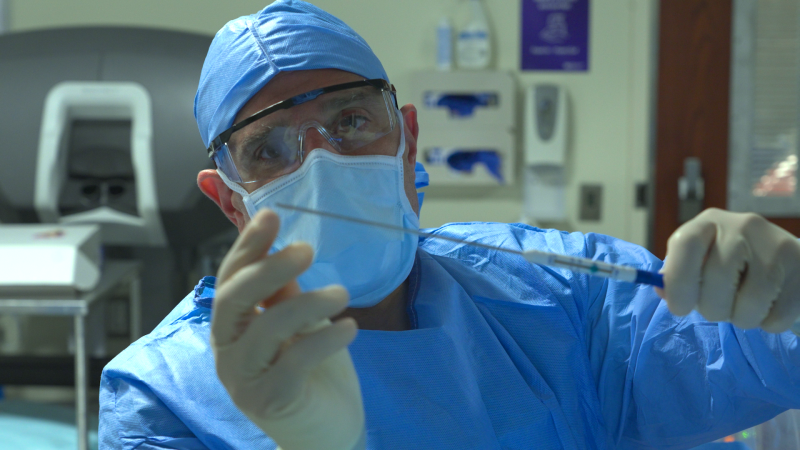
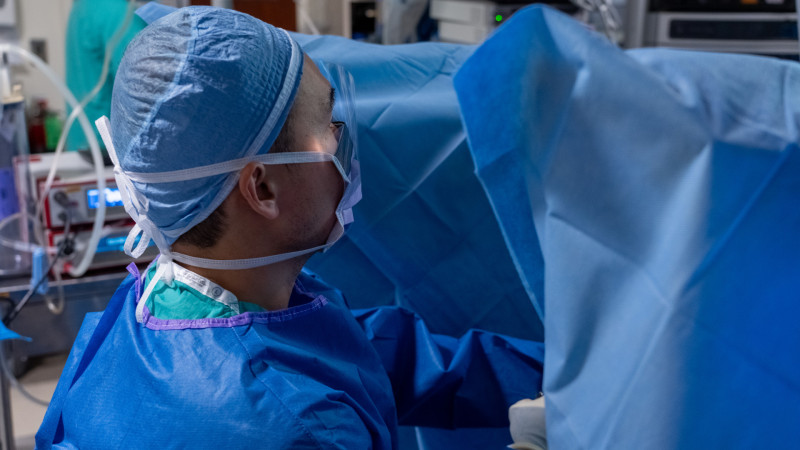
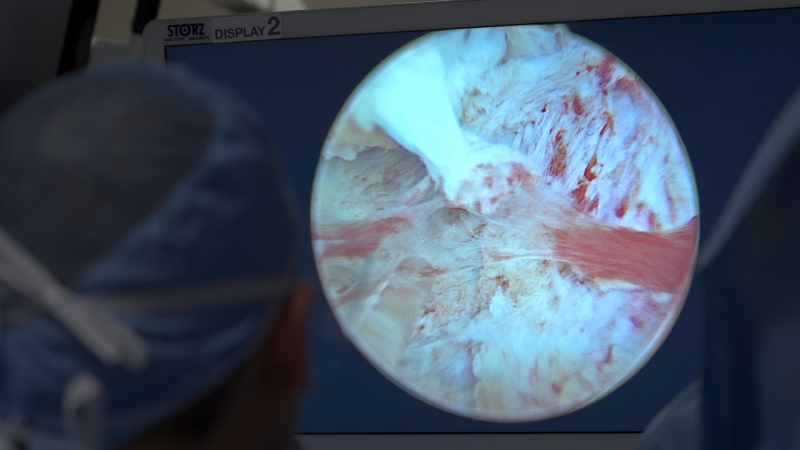
Immediate Cryoablation and Enucleation for Prostate Cancer (ICE-CAP) combines two procedures into the same operation: cryoablation, which freezes and destroys the cancerous area of the prostate, and HoLEP, which removes obstructive prostate tissue, creates a wide-open urinary channel and provides long-term relief for patients with enlarged prostates.
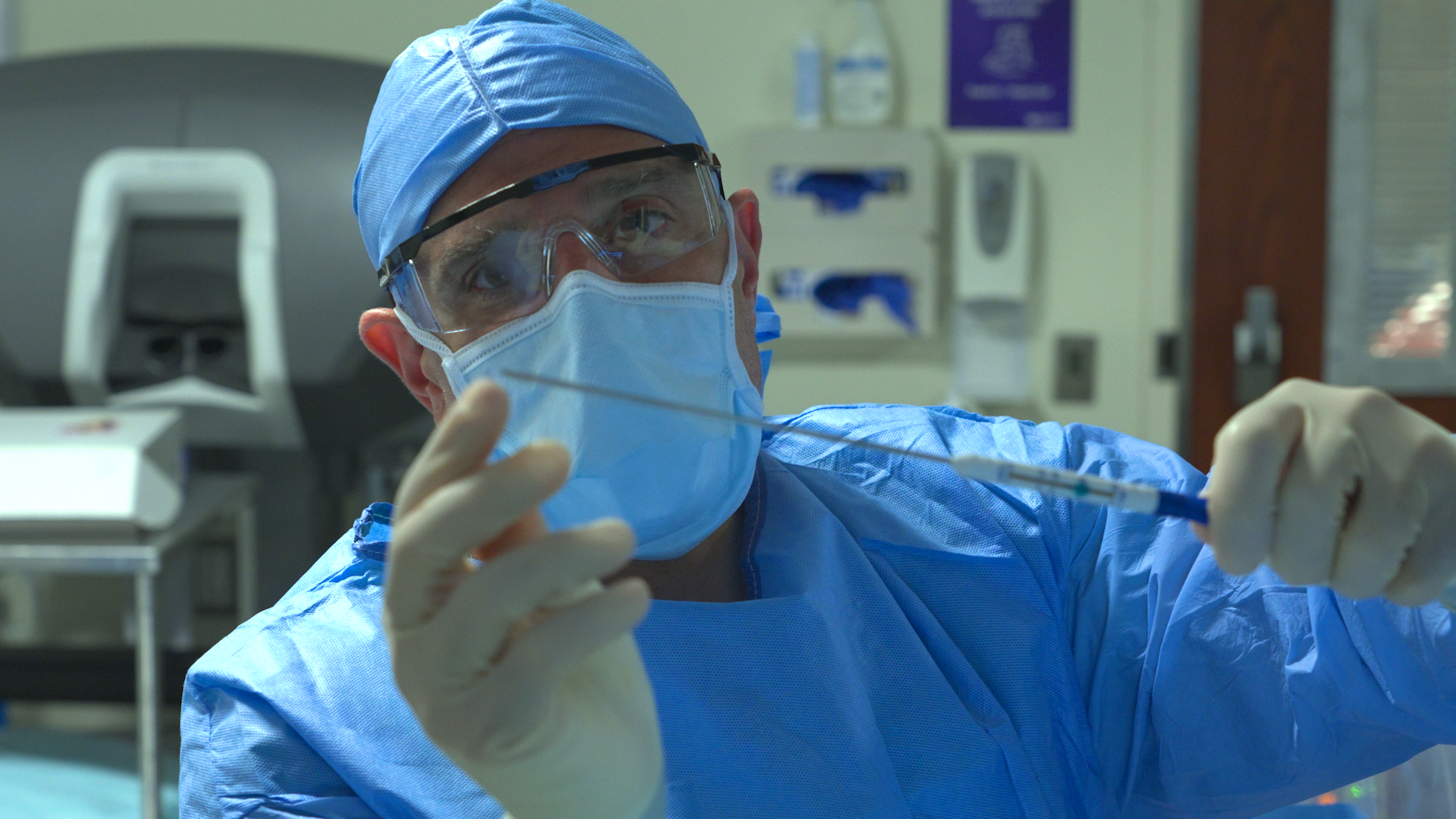
“The idea for ICE-CAP emerged after we had a patient with no good standard treatments who needed both cancer control and relief from catheter-dependent urinary obstruction,” said Dr. Ross, who performs the cryoablation part of the procedure. “Cryoablation targets the tumor rather than removing the entire prostate and can preserve urinary and sexual function. The procedure, which not only preserves but can improve urinary function while treating prostate cancer currently reflects Northwestern Medicine’s expertise in both focal prostate cancer therapy and management of enlarged prostates.”
A new approach to treating prostate cancer and urinary symptoms
Doctors Ross and Xu developed the concept one year ago after discussing how to better serve patients who have both prostate cancer and bothersome urinary symptoms. Cryoablation has been increasingly used for focal prostate therapy.

“The ICE-CAP procedure offers an important option for patients who are not ideal candidates for surgery or radiation,” Dr. Ross said. “Very large prostates can be difficult to treat with radiation, especially in men who already have urinary symptoms. Older men are more likely to have significantly enlarged prostates. While surgery may still be an option for them, the risks of side effects can increase with age. For example, whereas only about 1% to 2% of men in their 50s may experience incontinence after surgery, that risk can be substantially higher for men in their early 70s.”
HoLEP, which stands for Holmium Laser Enucleation of the Prostate, has been around since the 1990s.
“When the prostate enlarges, it can compress the urinary channel and create a plumbing problem,” said Dr. Xu, who performs the HoLEP part of the procedure. “With the HoLEP procedure, we can use the laser to open the prostate so that there is a channel that you can urinate through unobstructed."
Dr. Xu said that this issue of prostatic enlargement can affect many aspects of urination, including nighttime urination and urinary urgency and frequency.
“A lot of folks accept waking up at night as part of their routine, but in reality, there's an option to help improve it with techniques such as the HoLEP procedure which can be done as part of the ICE-CAP procedure,” Dr. Xu said.
Raising awareness
September is Prostate Cancer Awareness Month, a time dedicated to raising awareness and educating the public about a disease that will affect 1 in 8 men in their lifetime.
“At Northwestern Medicine, we are developing innovative strategies aimed at reducing the side effects of prostate cancer treatment,” Dr. Ross said. “Our goal is not only to help men live longer and remain cancer-free, but also to help them avoid many of the urinary and sexual side effects traditionally associated with treatment.”
Northwestern Memorial Hospital is proud to be ranked No. 7 in the nation for urology by U.S. News & World Report, 2026-27. For information on Northwestern Medicine urology, visit nm.org.