

Illinois woman credits a popular exercise for helping her notice the warning signs of a rare condition
It’s estimated that approximately 50,000 to 75,000 people in the United States have myositis
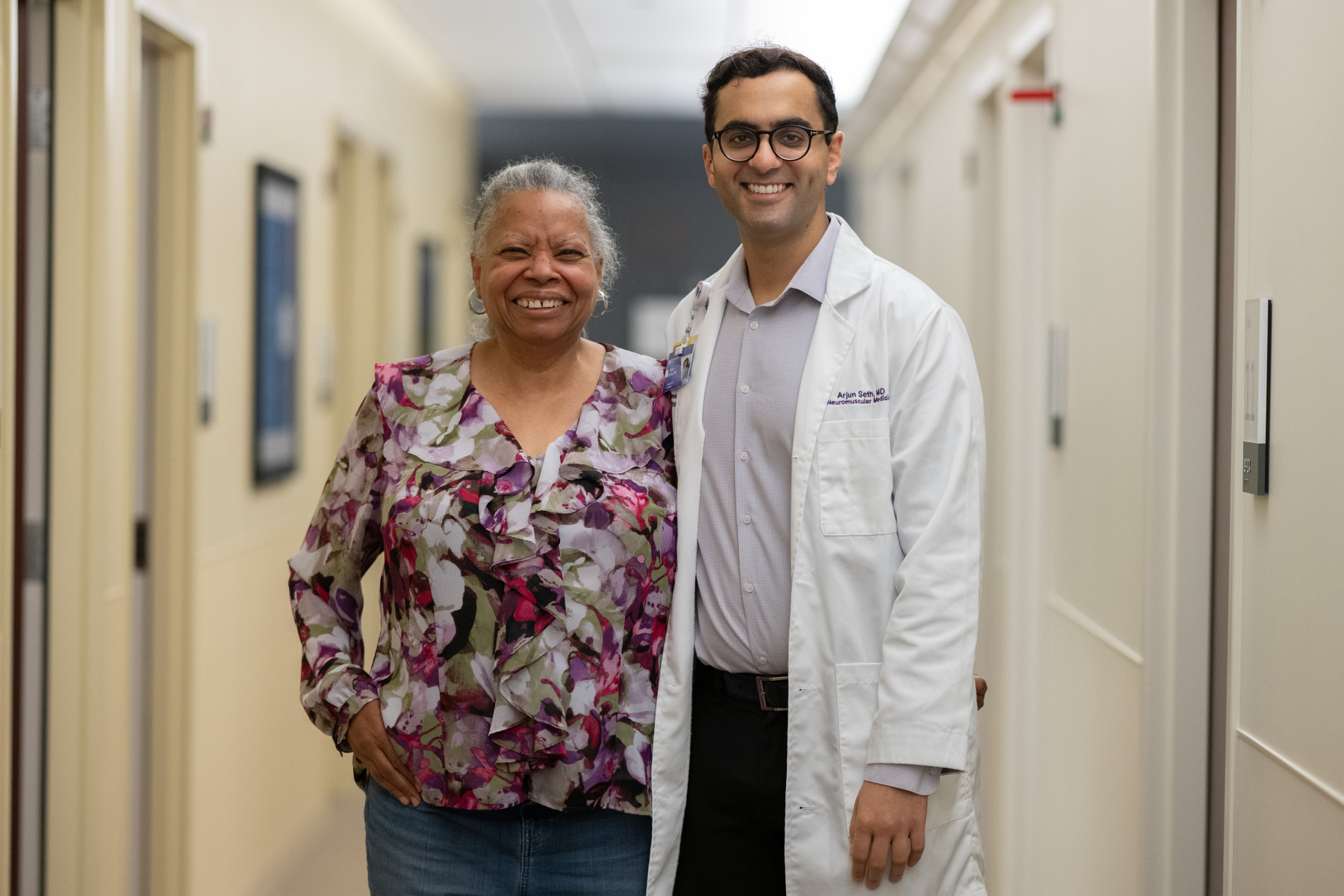
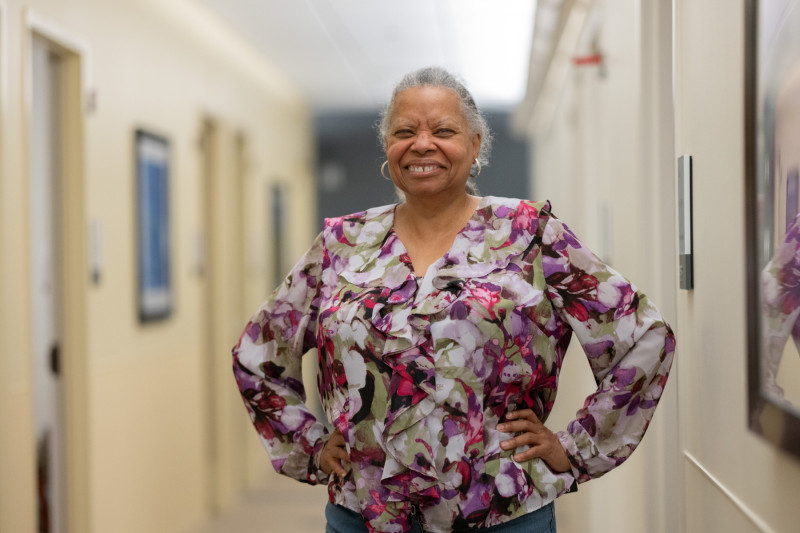
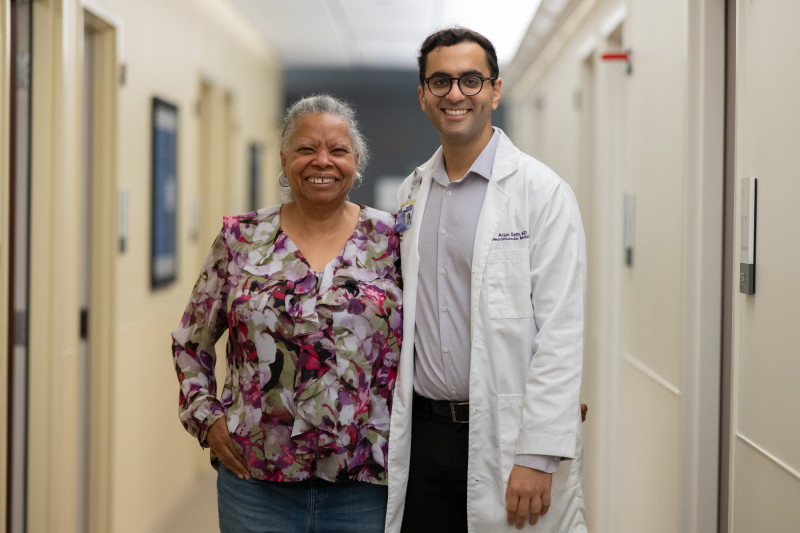
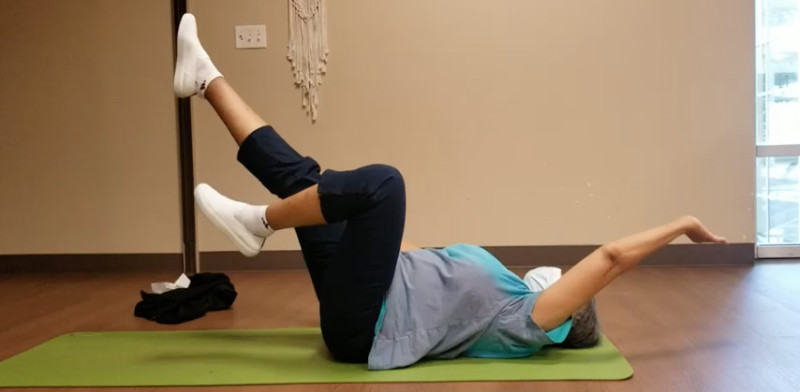
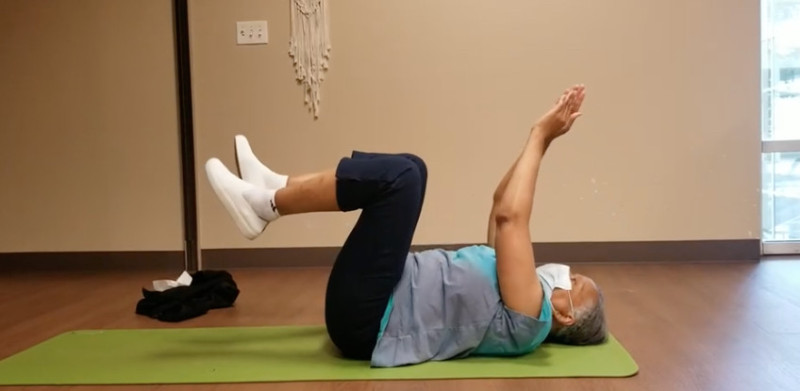
CHICAGO – July 30, 2024 – Known as the “woman who doesn’t like to sweat at the gym,” 70-year-old June Furlan of Arlington Heights, Ill., credits dead bugs for saving her life.
In February 2022, Furlan noticed she was getting weaker, had less energy and struggled to stand up or walk normally. At times, she’d have to rely on her husband to help her get dressed or comb her hair. At first, Furlan blamed her age. She was 68 years old, and thought to herself, “Is this just part of getting older? It must be!”
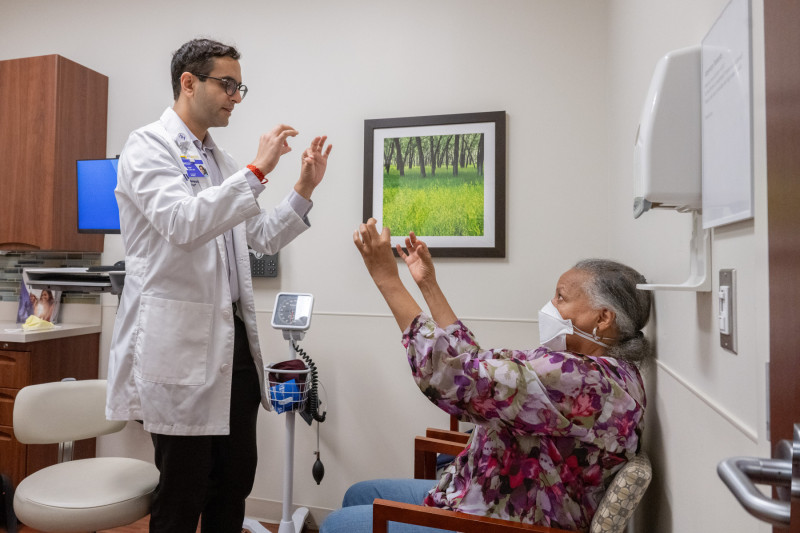
But, the avid gym-goer, who exercised every day and worked out with a personal trainer twice a week, knew it was more than just her age when she couldn’t lift her legs in the middle of a dead bug exercise – something she had perfected over the years.
“On an average day, I could easily do three sets of 15 dead bugs pretty quickly, but when I couldn’t lift my legs at all, I knew something was seriously wrong,” said Furlan.
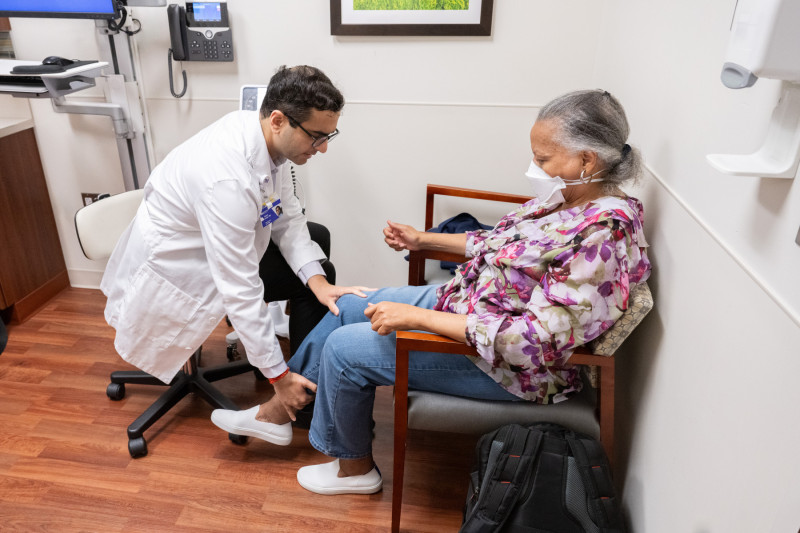
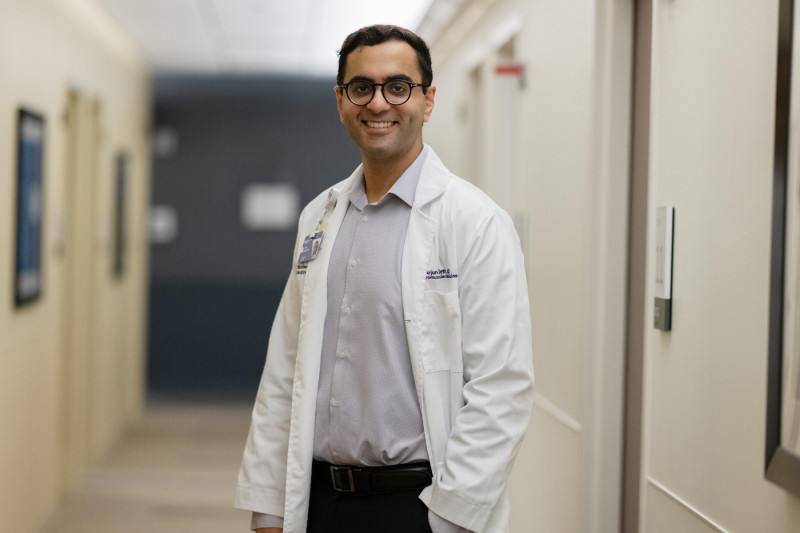
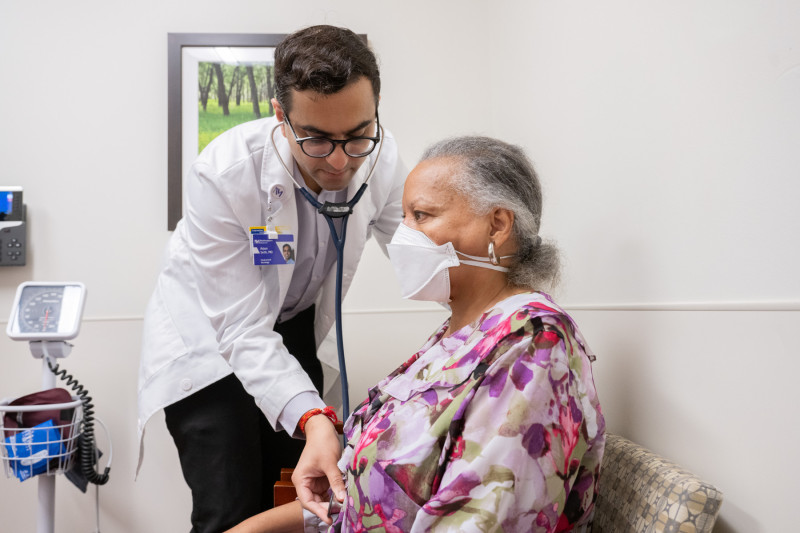
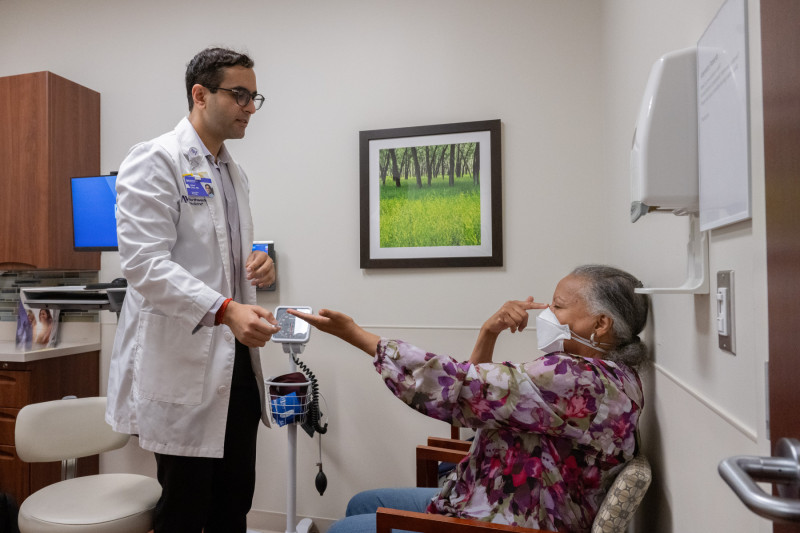
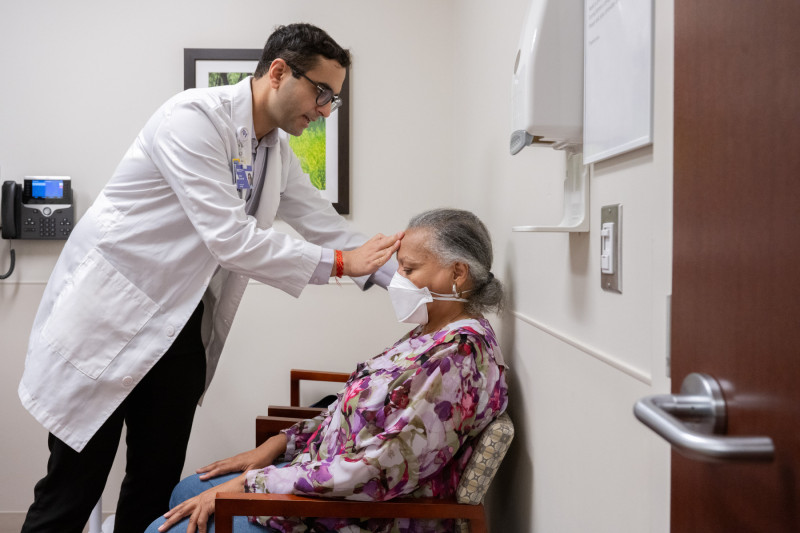
Furlan turned to Rachel Amdur, MD, an internal medicine specialist at Northwestern Medicine, who took one look at Furlan and immediately called Arjun Seth, MD, a neuromuscular specialist and co-director of the Northwestern Medicine Myositis Clinic. After running several tests, Furlan was diagnosed with a rare autoimmune muscle disease called HMGCR necrotizing myopathy (also known as myositis), which affects the muscles connected to Furlan’s bones, making it more difficult to move.
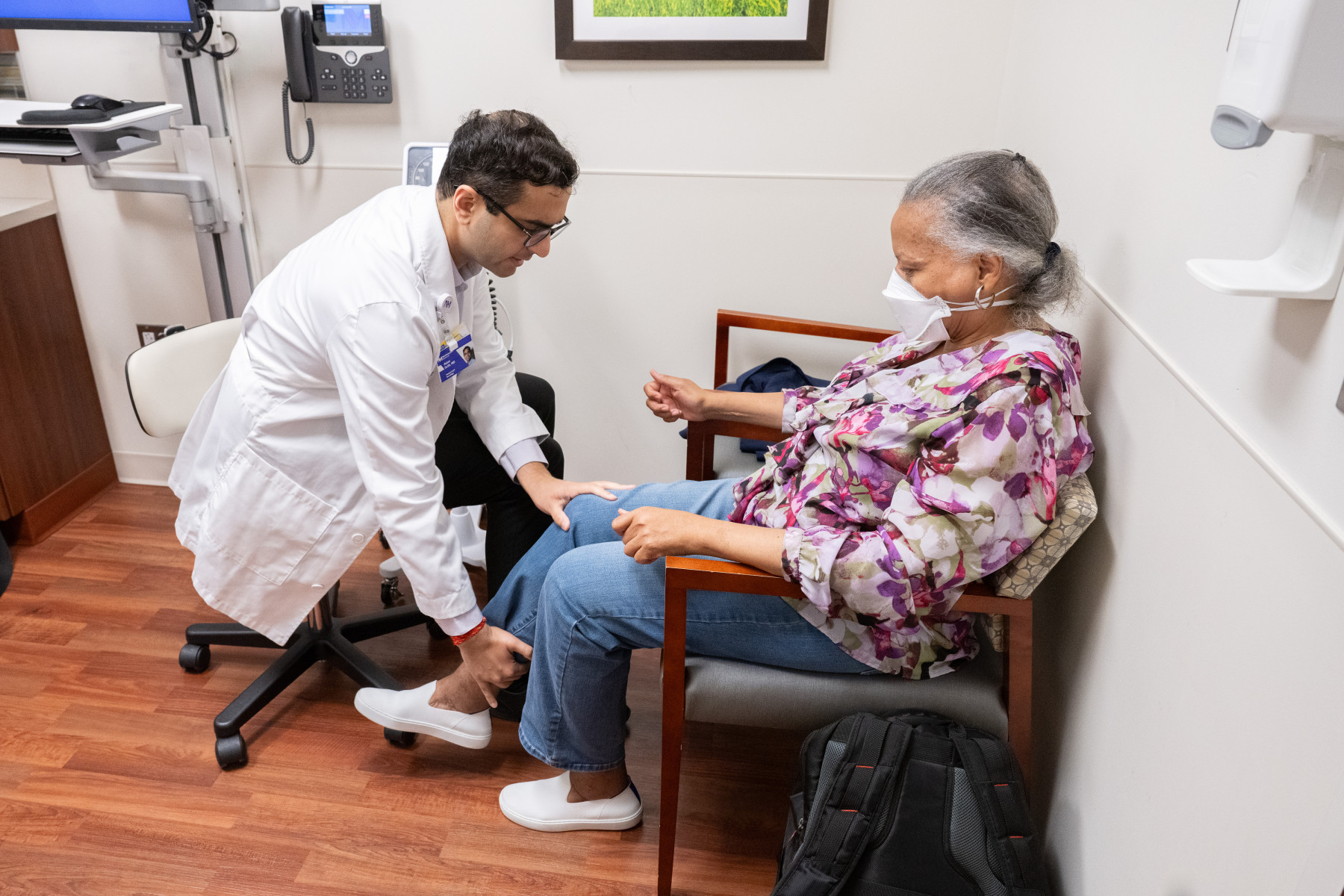
It’s estimated that approximately 50,000 to 75,000 people in the United States have myositis. Symptoms include muscle weakness, pain and fatigue. While there’s no cure for myositis, which is a type of myopathy, there are medications and physical therapy exercises to help manage the disease.
“When my insurance company denied one of the medications I needed, Dr. Seth worked really hard to find an alternative. I currently receive monthly infusion treatments at Northwestern Memorial Hospital, which allows me to feel immediate improvement so I can get back to the gym for my daily workouts,” said Furlan.
Myositis, also known as inflammatory myopathies, includes dermatomyositis, inclusion body myositis, anti-synthetase syndrome, immune-mediated necrotizing myopathy, and overlap syndromes. These rare and complex diseases require care across multiple disciplines. Established in 2021, the Northwestern Medicine Myositis Clinic combines the expertise of specialists in neuromuscular medicine/neurology, rheumatology, pulmonology, dermatology, and physical medicine and rehabilitation to provide the best outcomes possible through comprehensive, coordinated myositis care. Rheumatologist Christine Hsieh, MD, and Dr. Seth are co-directors of the clinic.
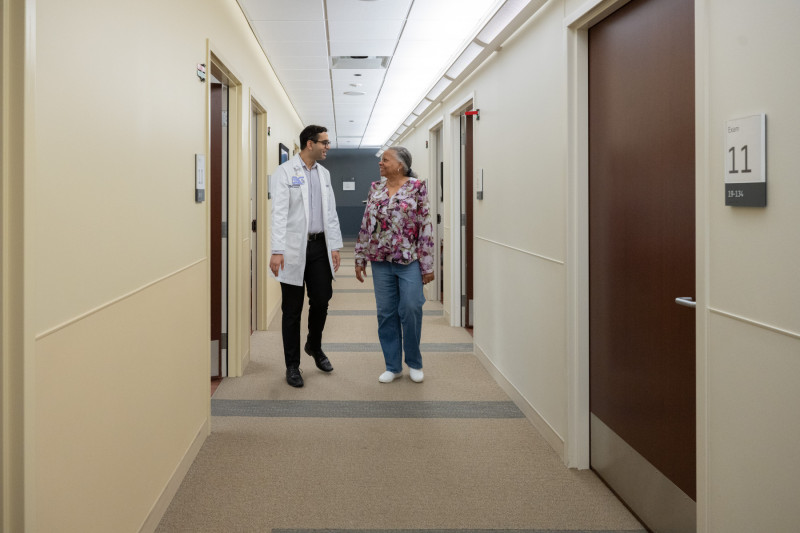
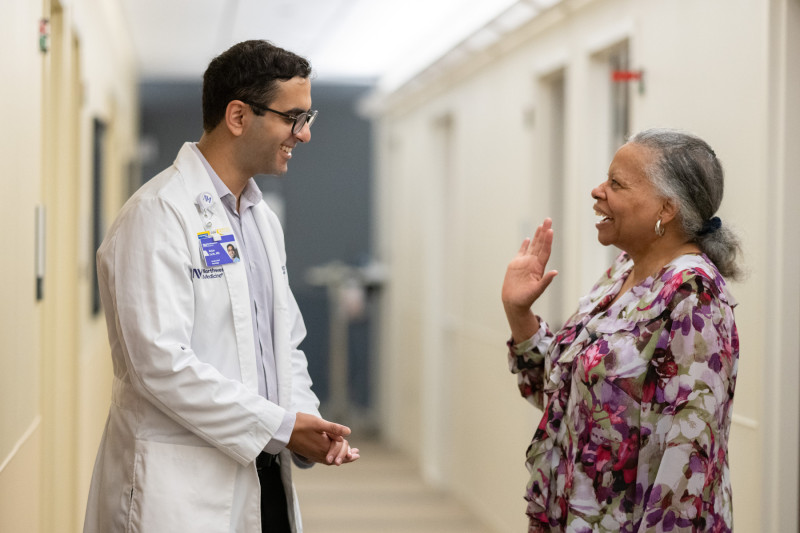
“Most patients are first referred to us for weakness – whether it’s not being able to lift their arms above their head or stand up. These diseases are rare, so it’s important to create a comprehensive, multidisciplinary clinic to provide the best care. We’re also enrolling patients in a clinical registry (observational study) and clinical trials to see if new drugs and therapies can help,” said Dr. Seth. “In June’s case, she’s on medications to help manage her symptoms, is back to working out and is largely back to normal in terms of her strength.”
“Dead bugs and Dr. Seth saved my life, paving a path for me to recover,” said Furlan. “I hope my story serves as a lesson for others that sometimes symptoms aren’t related to our age, but instead, a more serious problem that should be checked out by a physician.”
To learn more or make an appointment, patients can call 312.695.7950.

Contact

Add me on LinkedIn (opens in new window)
|
Jenny Nowatzke Program Director, Media Relations Northwestern Memorial Hospital Pulmonology and Lung Surgery, Cancer, Infectious Diseases |