

“I gave birth, kissed my baby, and then I blacked out”
When her heart stopped following a scheduled cesarean section, a multi-disciplinary team at Northwestern Medicine jumped in quickly to save Chelsea Cheveria’s life and reunite her with her baby
CHICAGO, IL – May 10, 2026 – Just moments after Cheslea Cheveria gave birth to her second child, everything went black. Following a successful cesarean section on February 10, the 37-year-old developed blood clots in her lungs that immediately sent her into cardiac arrest. Doctors and nurses at Northwestern Medicine Prentice Women’s Hospital in Chicago, Ill., performed four rounds of CPR, but she was still unresponsive.
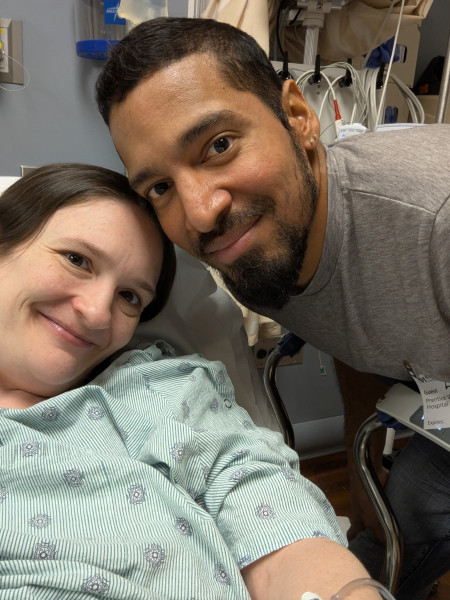
“There was no time for me to be scared,” said Cheveria. “I remember my husband saying, ‘you did it, I love you.’ Then I gave my daughter a kiss and it all went black.”
Blood pressure medication helped get Cheveria’s heart pumping again, but the life-threatening clots in her lungs, called a pulmonary embolism, were putting intense strain on her heart. Cardiologists at Northwestern Medicine Bluhm Cardiovascular Institute had to work quickly to remove the clots and keep her heart from stopping a second time.
Keith Benzuly, MD, an interventional cardiologist at Bluhm Cardiovascular Institute, began an emergency thrombectomy to clear the clots. During the highly specialized procedure, a catheter was run from Cheveria’s leg up through a blood vessel, through her heart, and into her lungs.
“This was a life-threatening emergency,” said Dr. Benzuly. “It’s really difficult when you’re taking care of someone who is that sick and their life is in your hands. I tried to focus on the technical aspects of the procedure, because I knew that this was the best chance for Chelsea to survive and for her baby to have a mother.”
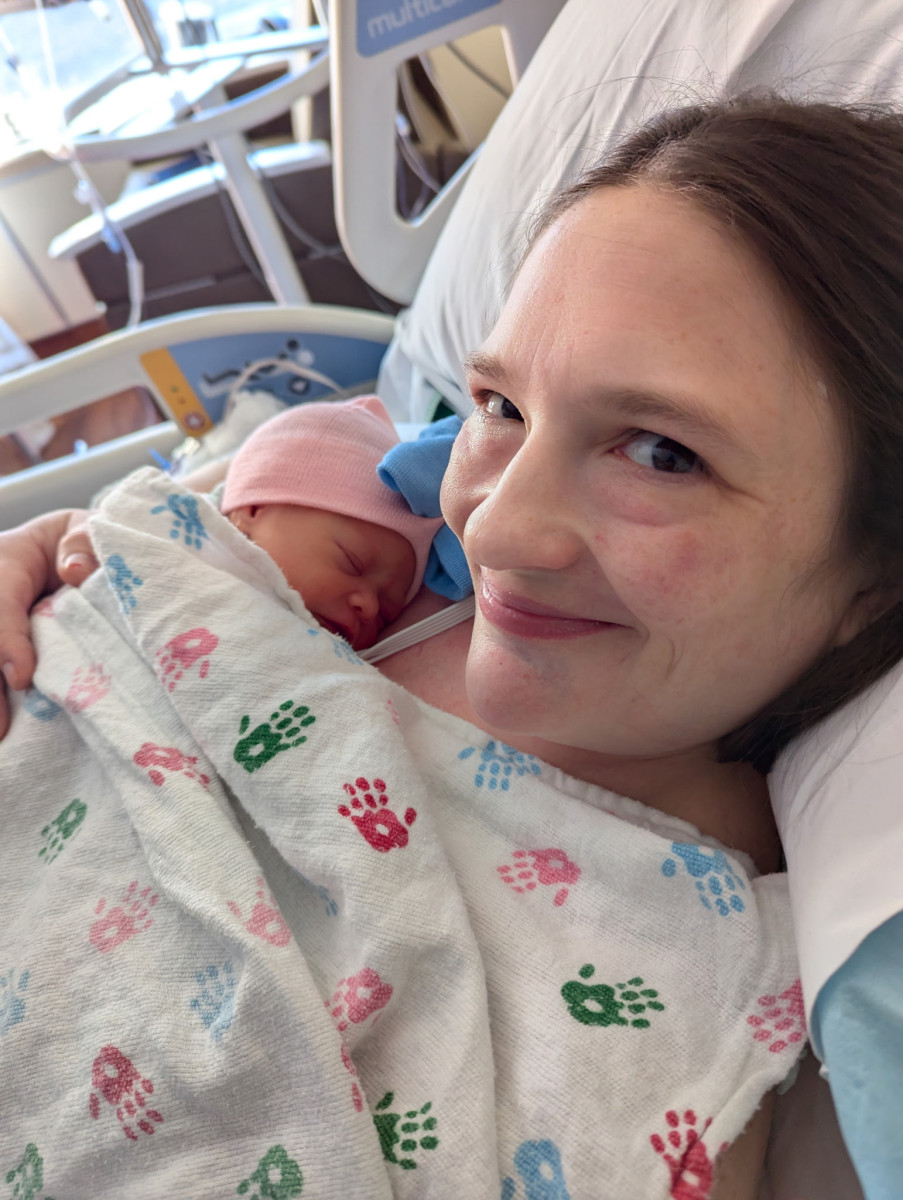
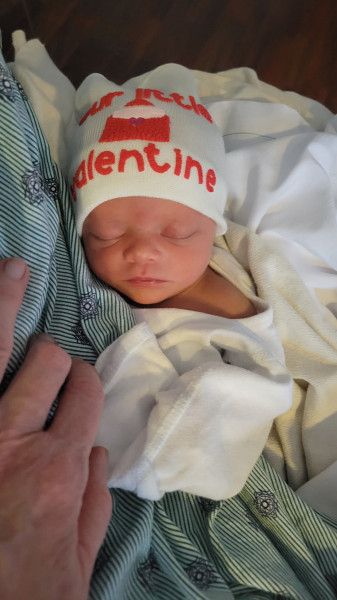
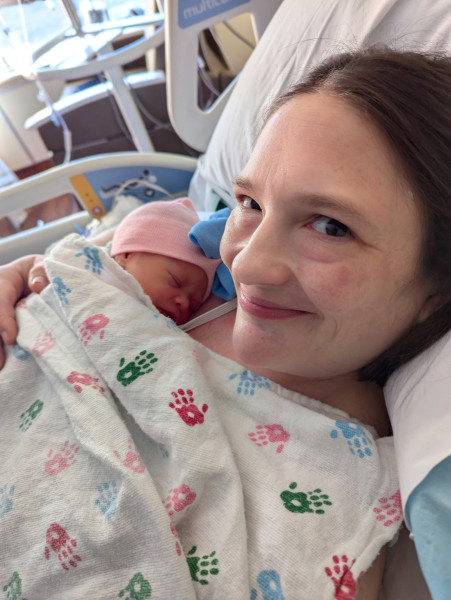
The procedure was a success, the blood clots were cleared, and Cheveria’s heart was finally stable. Shortly after, her baby girl was back in her arms, right where she belonged.
“Once I woke up and held her again, I was never letting go,” said Cheveria.
Pulmonary Embolism after C-section
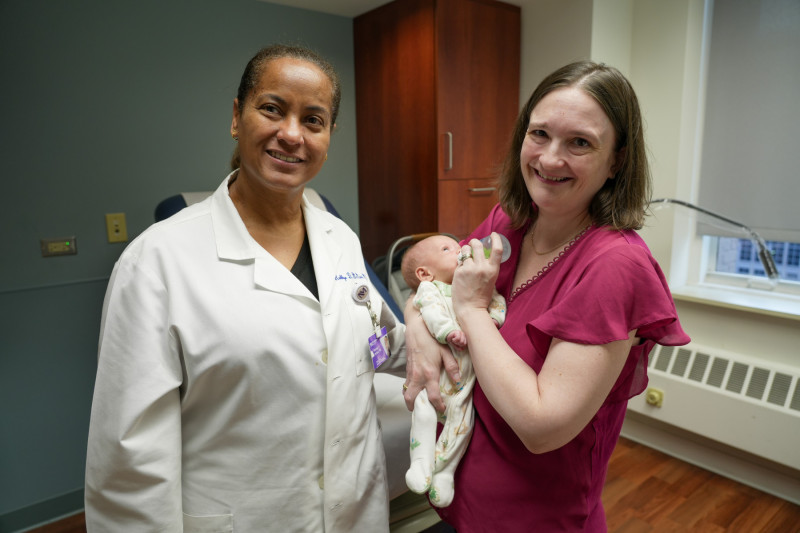
A blood clot in the lungs is one of the most common causes of pregnancy-related deaths in the United States, and a cesarean section doubles this risk. While clotting is a known complication, Robbye McNair, MD, the obstetrics and gynecology specialist at Northwestern Medicine who delivered Cheveria’s baby, says it’s still rare.
“Everything was routine, the baby was out and Chelsea was holding her,” said. Dr. McNair. “We were about to close the next to last layer of the procedure when she went unresponsive. Chelsea had no risk factors, and this was unfortunately random. I want to reassure patients that these are rare events, and most deliveries are uncomplicated.”
A team approach
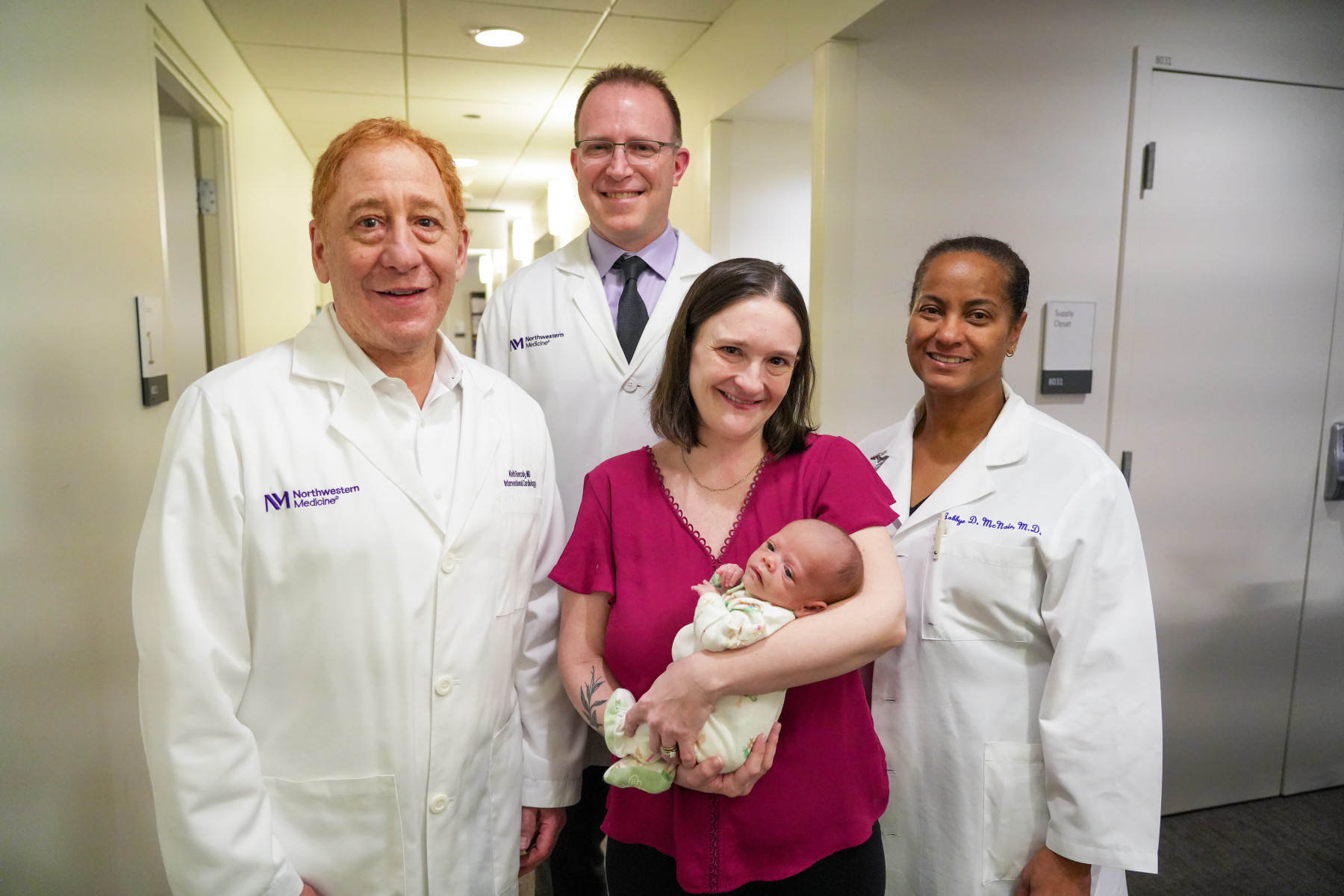
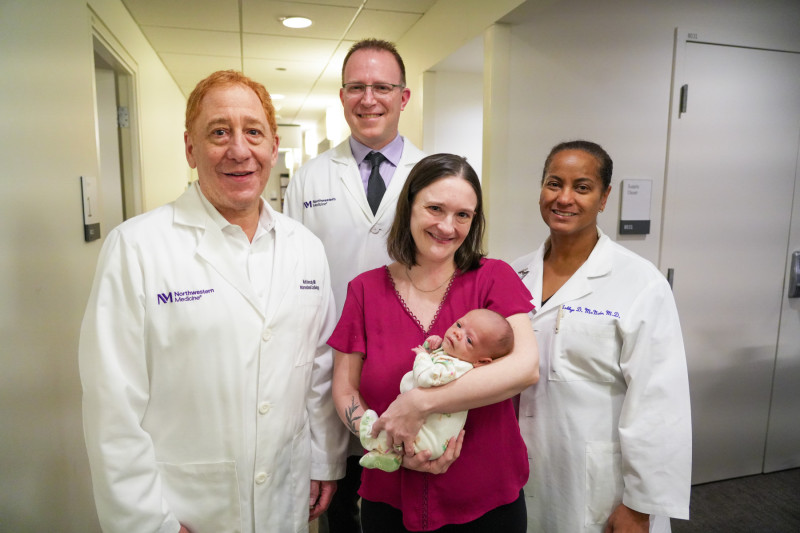
Before Cheveria’s thrombectomy could be performed, doctors had to first address another issue – life-threatening bleeding from an artery in her uterus. Daniel Schimmel, MD, director of the Pulmonary Embolism Response Team (PERT) at Bluhm Cardiovascular Institute, swiftly coordinated a treatment plan between interventional cardiologists, cardiac surgeons, pulmonologists, and interventional radiologists.
“When you think about the baby who might lose a mom, you are not just trying to save a patient, but you’re trying to protect a family,” said Dr. Schimmel. “This was all-hands-on-deck, everyone running to the bedside.”
Robert Lewandowski, MD, an interventional radiologist at Northwestern Medicine, first performed an emergency uterine artery embolization to stop the bleeding, allowing Cheveria to take the blood thinners needed for a thrombectomy.
“This was a unique situation that required significant multi-discipline collaboration,” said Dr. Lewandoski. “Chelsea urgently needed blood thinners to help fix the clots, but that would exacerbate her uterine bleeding. Expedited care in the right order was paramount.”
Because the PERT was already in place, Cheveria was able to get multi-disciplinary and life-saving care right when she needed it.
A family of four
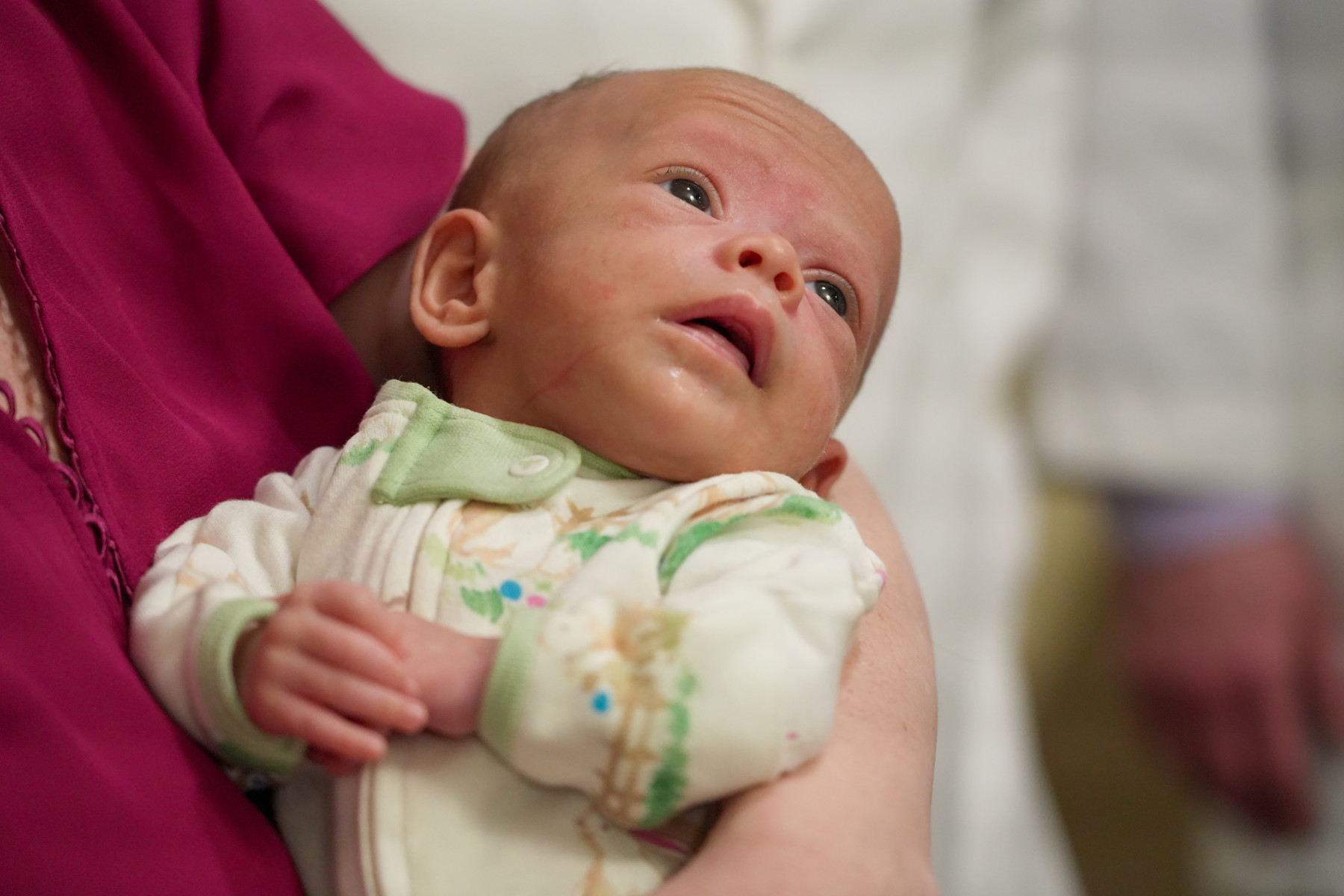
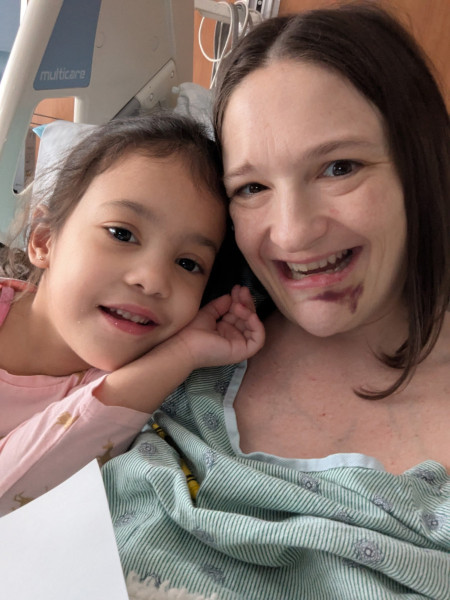
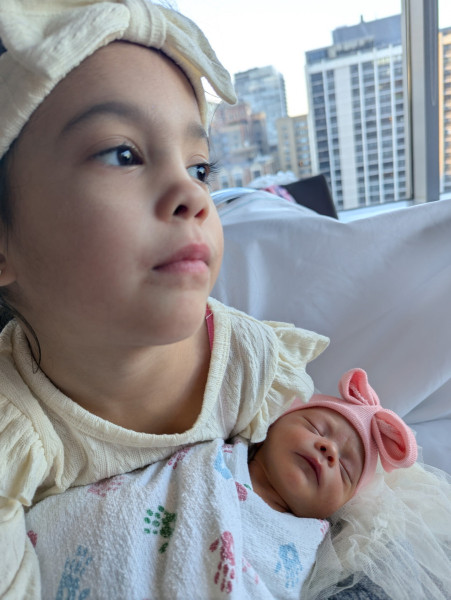
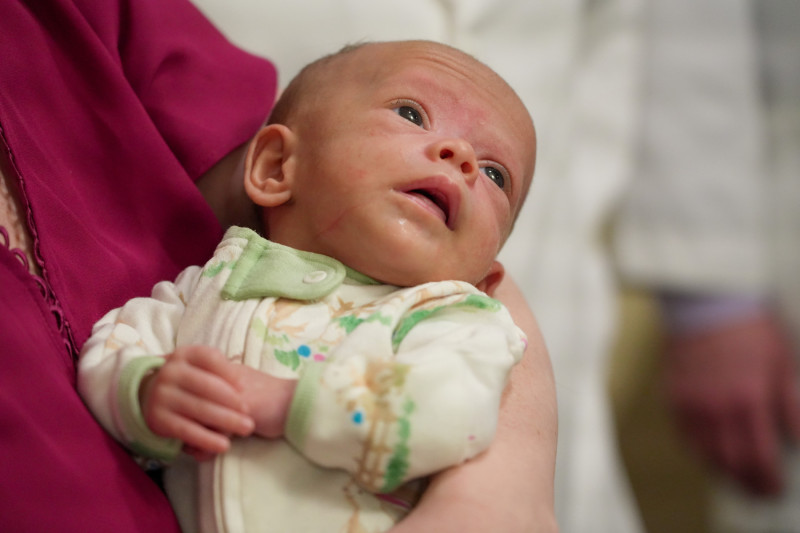
Despite the harrowing hours she experienced after giving birth, Cheveria spent just five days in the hospital before discharge to her home in Chicago. She’s now adjusting to life with her new baby girl Zairah (zye-ruh), her 4-year-old daughter Annayiah (uh-nye-uh), and her husband, Scott. Cheveria is sharing her story to prove that happy endings are possible, even with some bumps along the way.
“I now have a hematologist, a cardiologist, and a therapist,” Cheveria said with a smile. “And I already want another baby, I'm not afraid to go again. I just love being a mom.”
For more information on heart care and women’s health, visit nm.org.
Contact

|
Jen Delacruz Senior Specialist, Media Relations Northwestern Memorial Hospital Cardiovascular, Women's Health, Endocrinology, Human Longevity Clinic, Osher Center for Integrative Health, Primary Care, Family Medicine, Internal Medicine, ENT (Ear, Nose & Throat) |