

Grandmother Defies Terminal Cancer Diagnosis Thanks to Rapid, Specialized Care at Northwestern Medicine
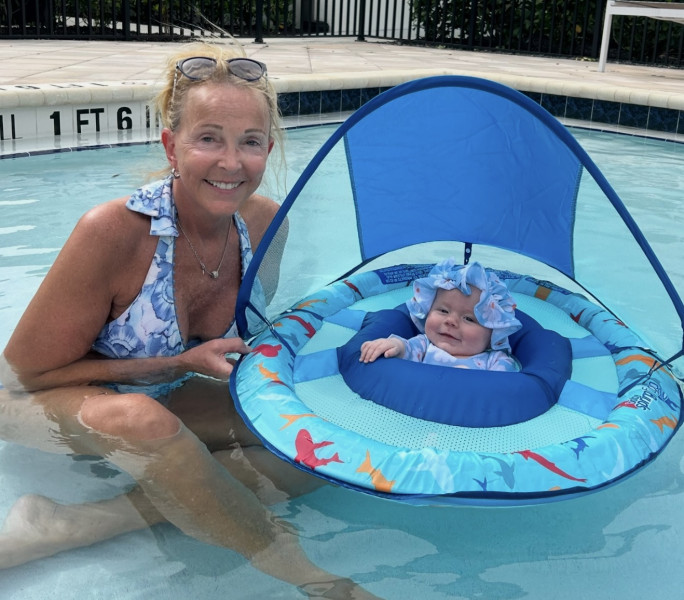
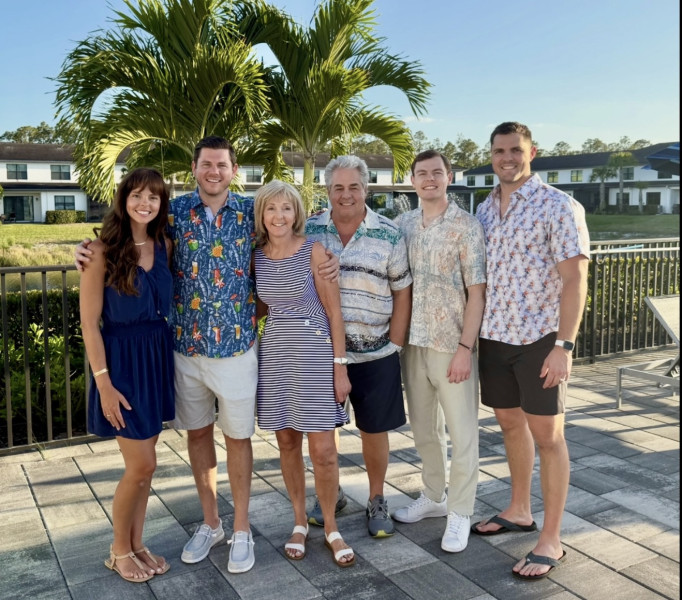
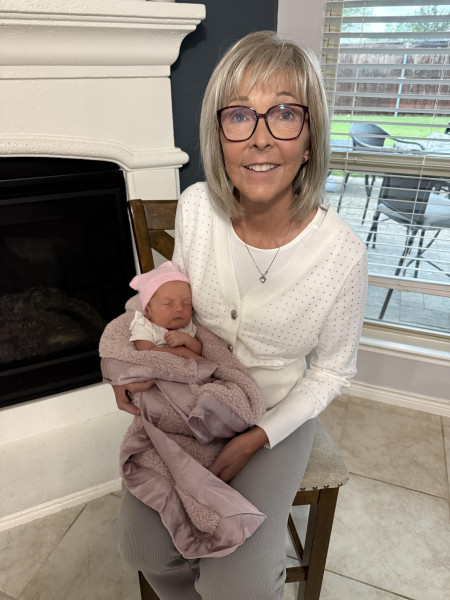
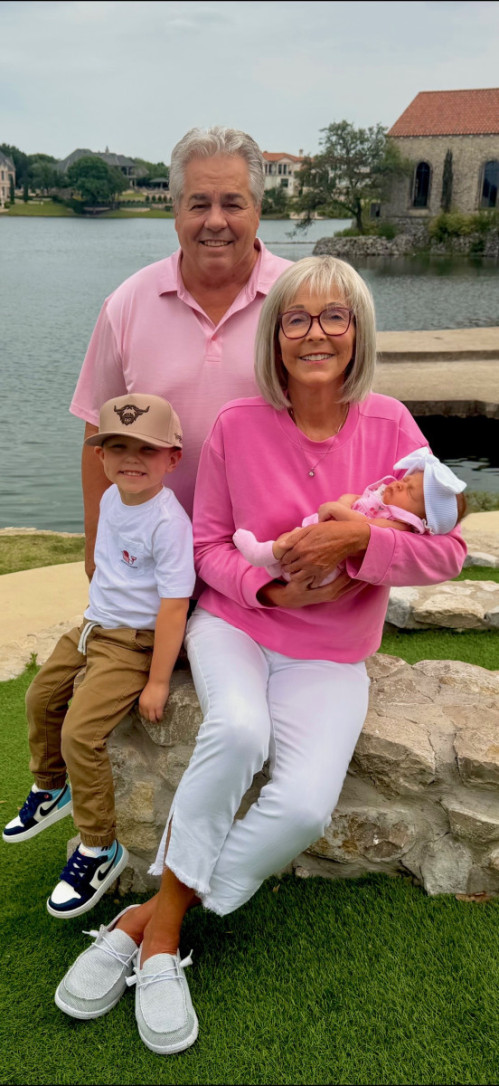
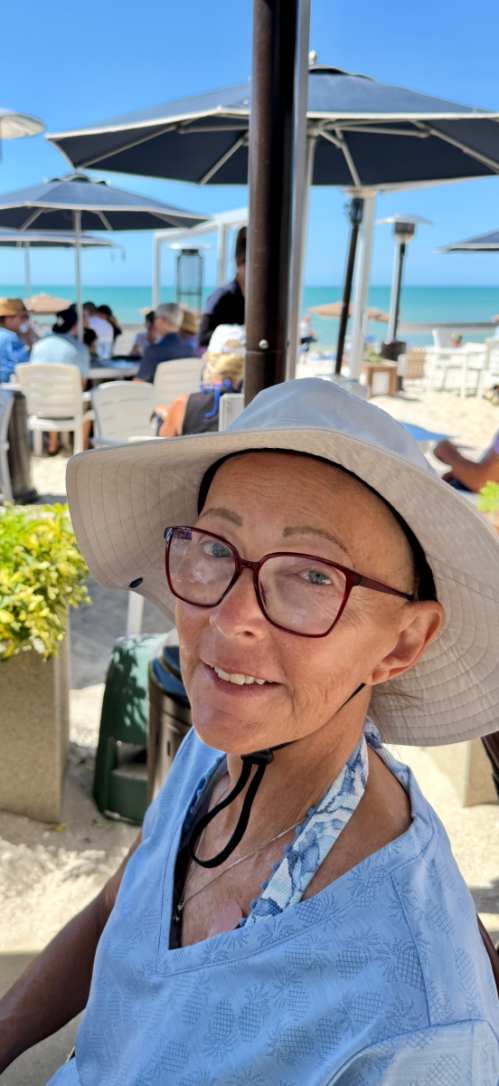
Michelle Wilcox was initially told she had a month to live. One year later, she is traveling and spending time with her grandkids, including meeting her newest granddaughter Mother's Day weekend, thanks to treatment at Northwestern Medicine.
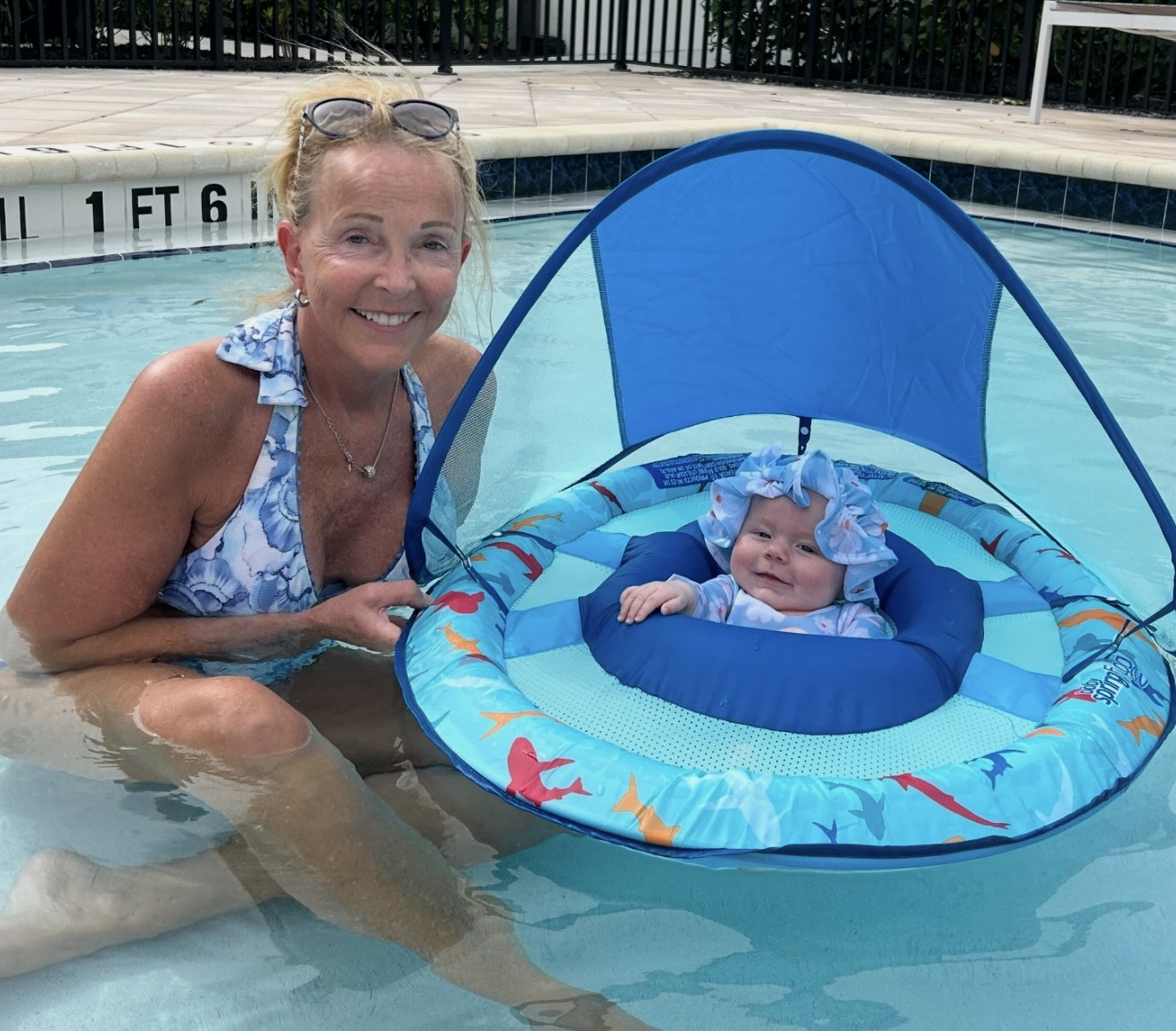
Geneva, Ill., May 21, 2026 — When Michelle Wilcox, 65, left her home in Florida for a day at the pool in early 2024, she sensed something was very wrong. What she didn’t yet realize was that her sudden nausea, imbalance, and vomiting were the first signs of a life‑threatening recurrence of metastatic cancer—one that would set her on a remarkable journey of resilience, urgent medical intervention, and exceptional care at Northwestern Medicine Delnor Cancer Center.
Wilcox, who resides in both St. Charles, Ill., and Naples, Fla., was first diagnosed with breast cancer in 2017. After undergoing a double mastectomy, chemotherapy and radiation, she spent seven years in remission.
In March 2024, while in Florida, she developed severe symptoms that quickly escalated. A visit to Naples Comprehensive Health revealed a 40 mm brain tumor pressing against her cerebellum. She was rushed by ambulance to a larger academic medical center, where surgeons removed 95% of the tumor the next morning.
Later that same year, following new issues with double vision and numbness in her sacrum, Wilcox received an even more devastating diagnosis: leptomeningeal disease, an aggressive form of metastatic cancer affecting the lining of the brain and spinal cord. She was told she might have only one month to live.
“When someone tells you that you have a month to live, you start planning your funeral,” Wilcox said. “There was talk of picking out a church and a casket. But something in me said—I’m not done yet.”
Understanding leptomeningeal disease
Leptomeningeal disease (LMD), also called leptomeningeal metastases, occurs when cancer cells spread to the lining of the brain and spinal cord and circulate within the cerebrospinal fluid.
This form of metastasis is particularly serious because it can rapidly affect neurological functions, including hearing, vision, walking, breathing and swallowing.
Without treatment, LMD can be fatal within weeks, with many patients surviving only eight to 12 weeks after diagnosis.
A critical decision — and a new chance at life
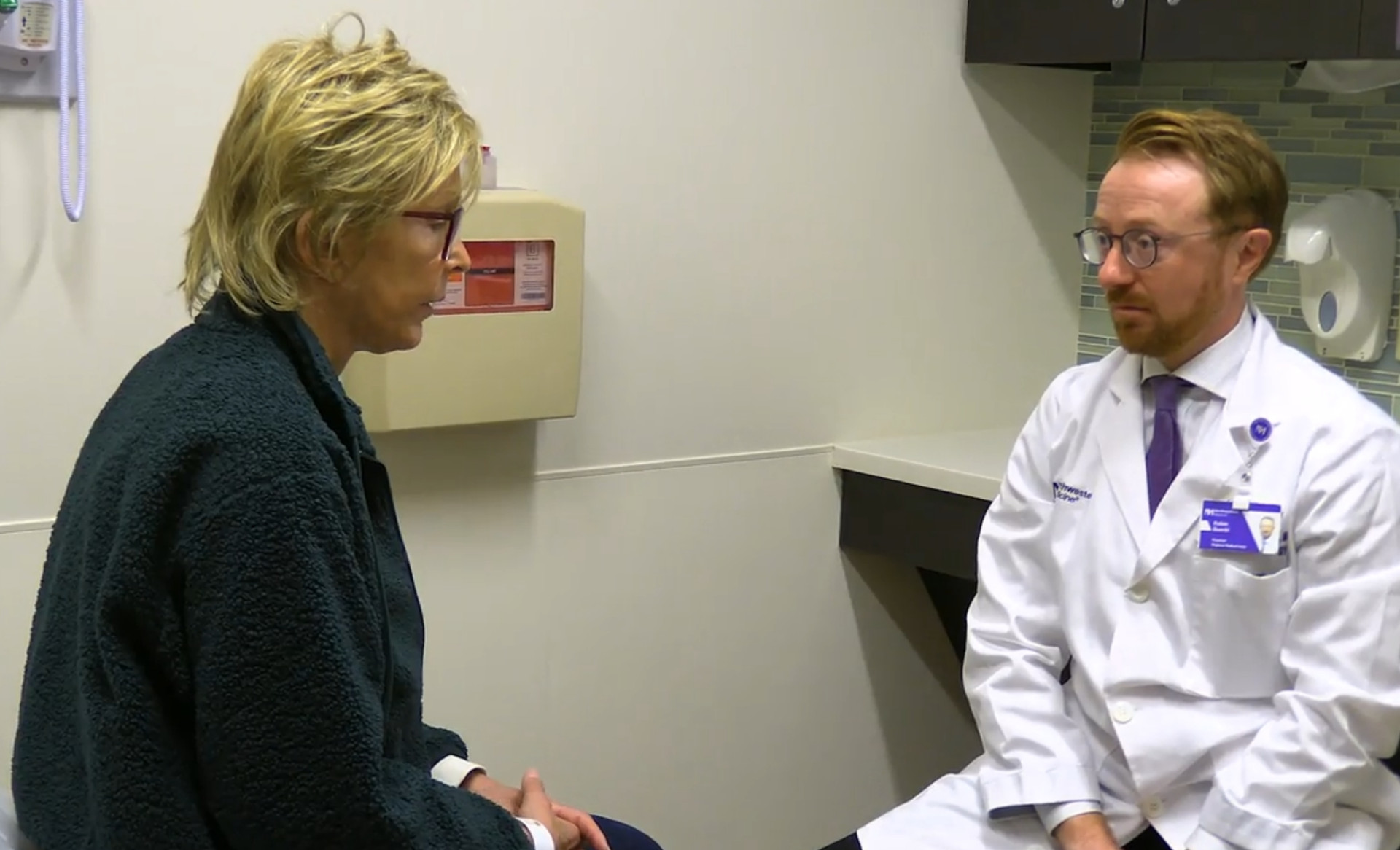
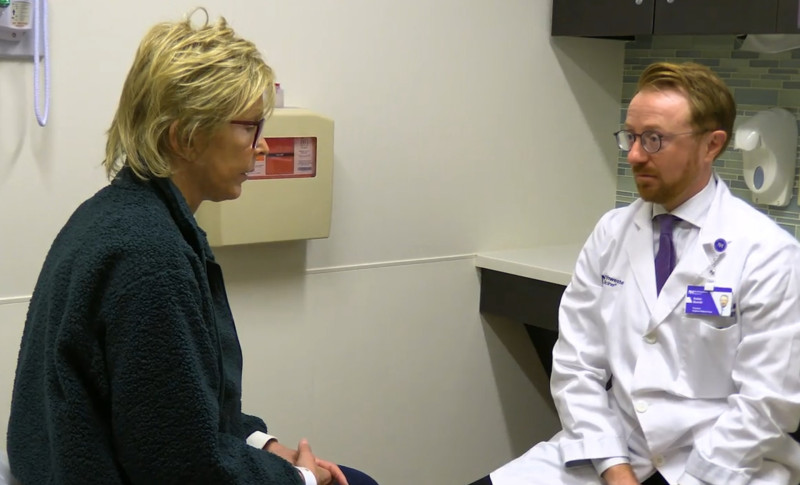
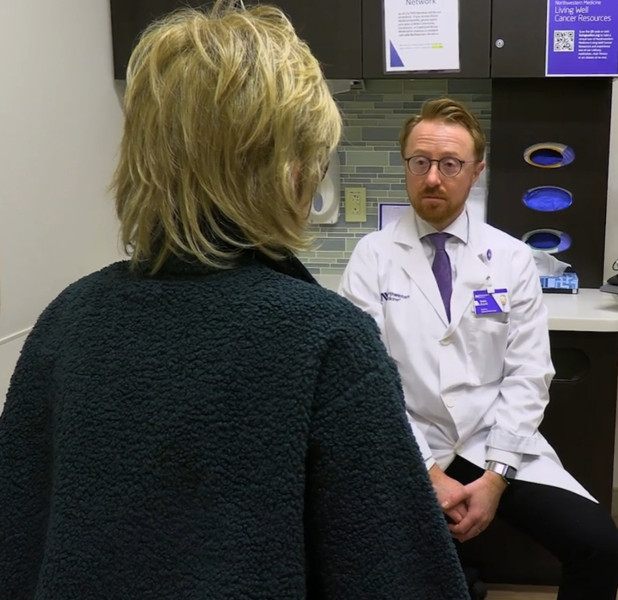
Wilcox and her husband, Keith, returned to Illinois from Florida to meet again with Robin Buerki, MD, a neuro‑oncologist at Northwestern Medicine specializing in complex central nervous system tumors. He had been part of Wilcox’ Illinois-based care team and immediately recognized the urgency.
“She developed new areas of disease in the brain, spinal cord, and spinal fluid,” Dr. Buerki said. “Leptomeningeal metastases are often rapidly progressive and fatal. Many patients will only survive weeks. But with timely, aggressive therapies, some can respond to treatment.”
Vinai Gondi, MD, director of radiation oncology and codirector of the Brain Tumor Center at Northwestern Medicine Proton Center and Northwestern Medicine Cancer Center Warrenville, also joined Dr. Buerki on Wilcox’ care team. They recommended a combination of radiation therapy and intrathecal chemotherapy, which delivers medication directly into the spinal fluid.
“That’s what you need, and you need it now,” Wilcox recalls Dr. Buerki saying. “We have a small window to do this.”
Wilcox consulted with other medical institutions but chose Northwestern Medicine for her care and says she is grateful she did. “I feel like we made the absolute right choice going with Northwestern Medicine,” Wilcox said. “Look at me. I’m still here a year later. I’m able to function on my own. I get to be with my grandkids. It’s amazing.”
A Remarkable Response
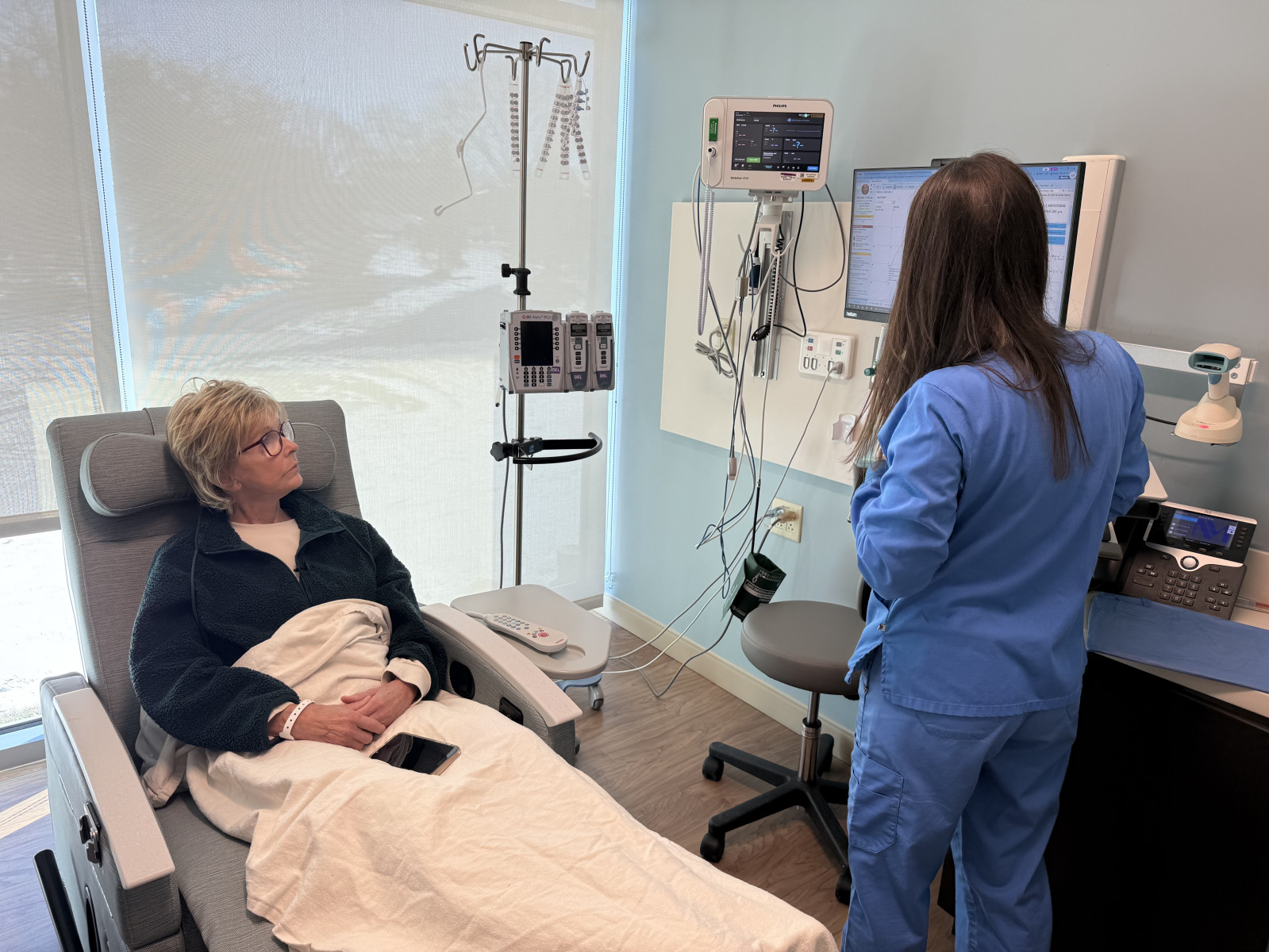
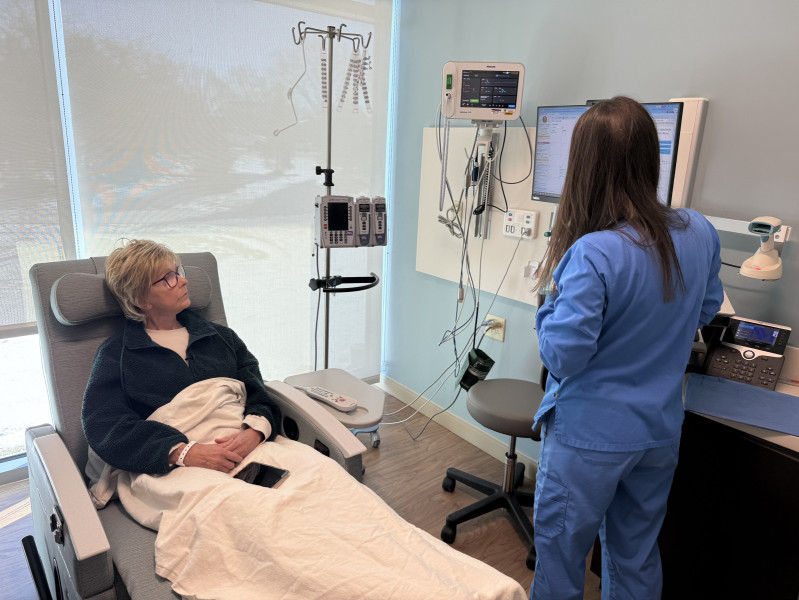
Wilcox underwent 10 rounds of radiation, started twice weekly intrathecal chemotherapy that is injected directly into the spinal fluid, and continues ongoing IV chemotherapy infusions to manage her metastatic breast cancer.
“Michelle has had a fantastic response,” said Dr. Buerki. “Her spinal fluid no longer shows the abundant cancer cells that were present before treatment. Her MRIs show no continued disease.”
Dr. Buerki added that based on her initial presentation, he would have expected her to survive only a few weeks.
“Now, more than a year later, she is thriving,” Dr. Buerki said. “Seeing a patient not only respond to treatment but continue to enjoy life, spend time with grandkids, and travel—that is absolutely wonderful.”
Living With Purpose
During the winter months, Wilcox continues intrathecal chemotherapy every three weeks in Florida and returns to Illinois for regular MRIs. She says she shares her story so that others diagnosed with leptomeningeal disease won’t feel hopeless.
“I’m here for a reason,” Wilcox said. “If someone else gets this diagnosis, I want them to know it’s not necessarily doom and gloom. There is hope. I was told I had a month, and now it’s been over a year.”
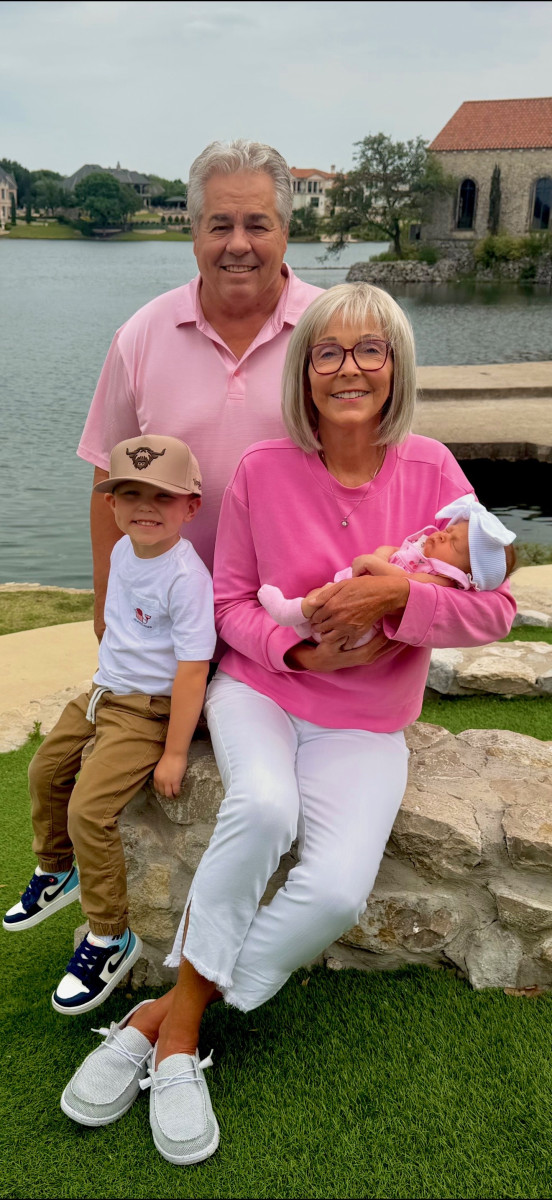
Wilcox and her husband flew to Dallas for Mother's Day weekend to meet her sixth grandchild, a little girls named Kennedy, born in late April.
Dr. Buerki is eager to help more patients who are facing this kind of metastatic progression.
“I really hope that we can offer this type of therapy to more patients,” said Dr. Buerki. “It is something that is very time sensitive. For some patients, there can be a window of opportunity and when we are able to start quickly, as we did for Michelle, it is critical and I think helps with these good results.”
About Northwestern Medicine
Northwestern Medicine is committed to delivering world‑class, multidisciplinary care for complex neurological cancers. Through advanced therapies, rapid-cycle intervention, and coordinated expertise across specialties, the neuro‑oncology team is dedicated to offering more patients the chance for meaningful survival and improved quality of life.
Northwestern Medicine provides comprehensive care for every brain tumor and spine tumor, including rare tumors and metastatic disease. NM has one of the largest offerings of clinical trials for brain tumors in the U.S., creating access to treatments not yet widely available.
For more information about Northwestern Medicine, visit https://www.nm.org/locations/neuro-oncology-winfield


Contact

|
Lauren Petty Manager, Media Relations Northwestern Medicine Health Network Central DuPage Hospital, Lake Forest Hospital, Palos Hospital, Delnor Hospital, Kishwaukee Hospital, Valley West Hospital, Marianjoy Rehabilitation Hospital, McHenry Hospital, Huntley Hospital, Woodstock Hospital, Proton Center |