

Endurance athlete completes an Ironman triathlon and marathon one year after surgery to fight lung cancer, despite never smoking
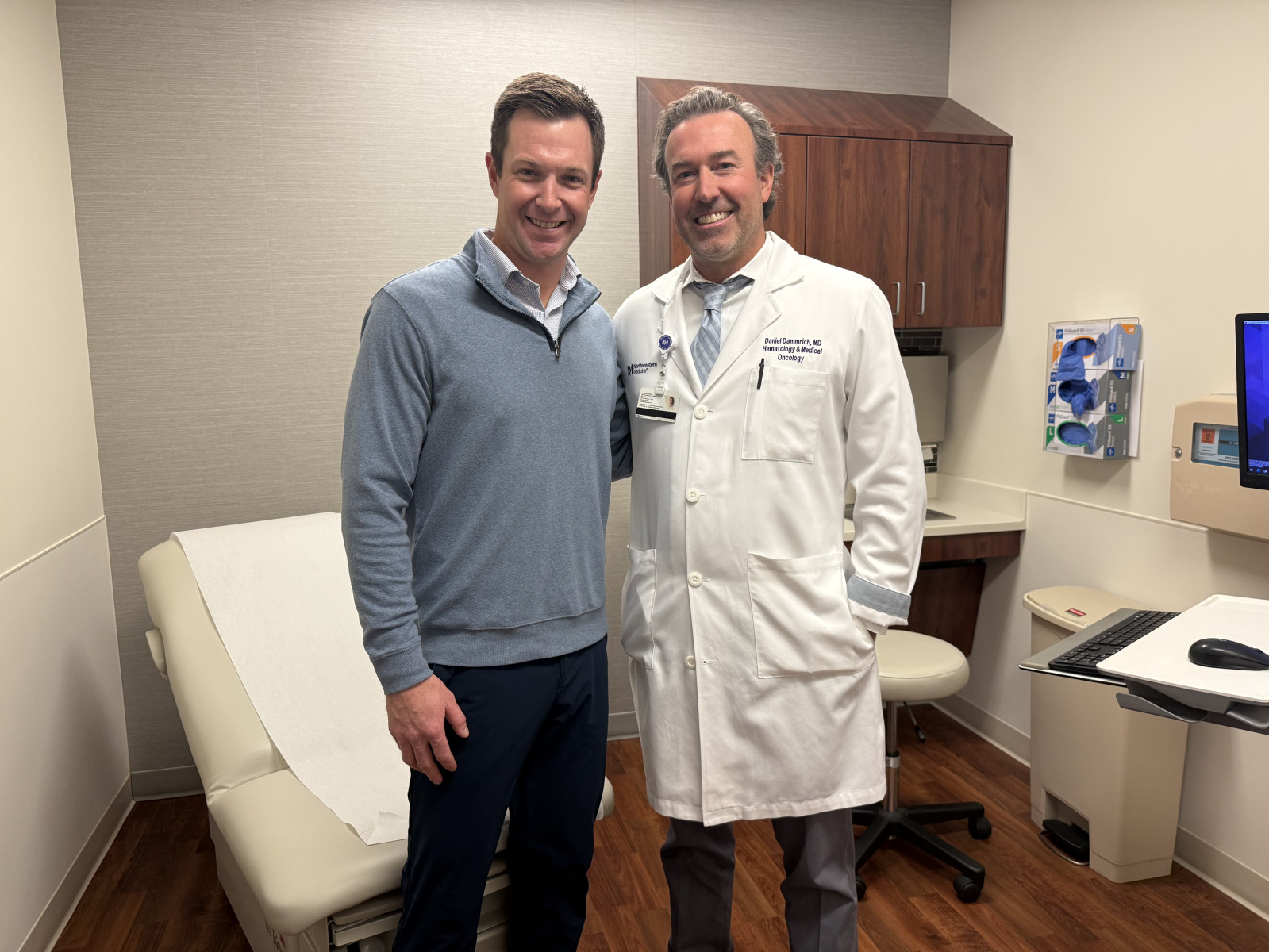
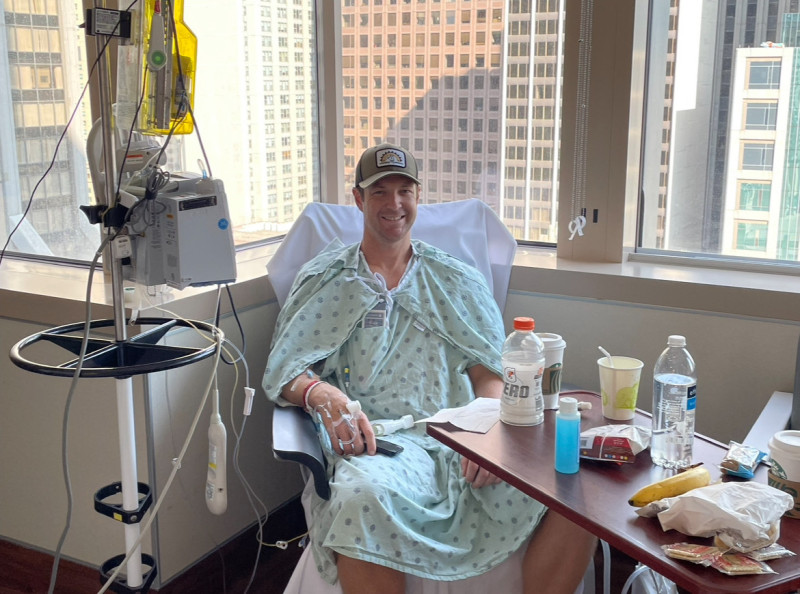
Kevin Humphrey, 39, was diagnosed with stage four lung cancer after a persistent cough and back pain led him to seek care at Northwestern Medicine.
LAKE FOREST, Ill. — Nov. 24, 2025 — Lung cancer remains the leading cause of cancer-related deaths in the United States, claiming more lives than breast, colon and prostate cancers combined.
While overall cases are declining thanks to reduced tobacco use, experts warn of a troubling trend: 10% to 20% of lung cancers — about 20,000 to 40,000 cases annually — occur in people who have never smoked.
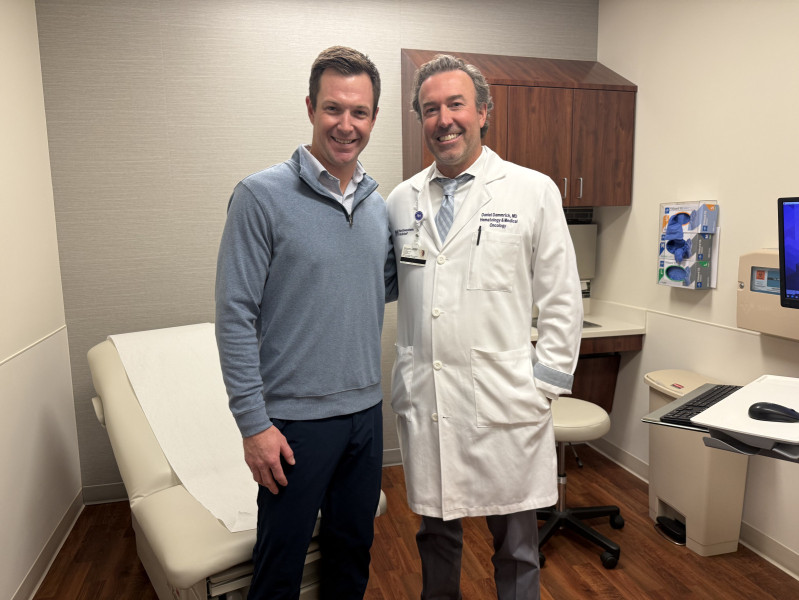
“Historically, lung cancer was synonymous with smoking, but we’re seeing more cases in younger, healthy non-smokers,” said Daniel Dammrich, MD, an oncologist at the Northwestern Medicine Catherine Gratz Griffin Lake Forest Hospital.
“Environmental factors like air pollution, radon exposure and genetic mutations are likely contributors, but we don’t fully understand why. What we do know is that early detection saves lives,” Dammrich said.
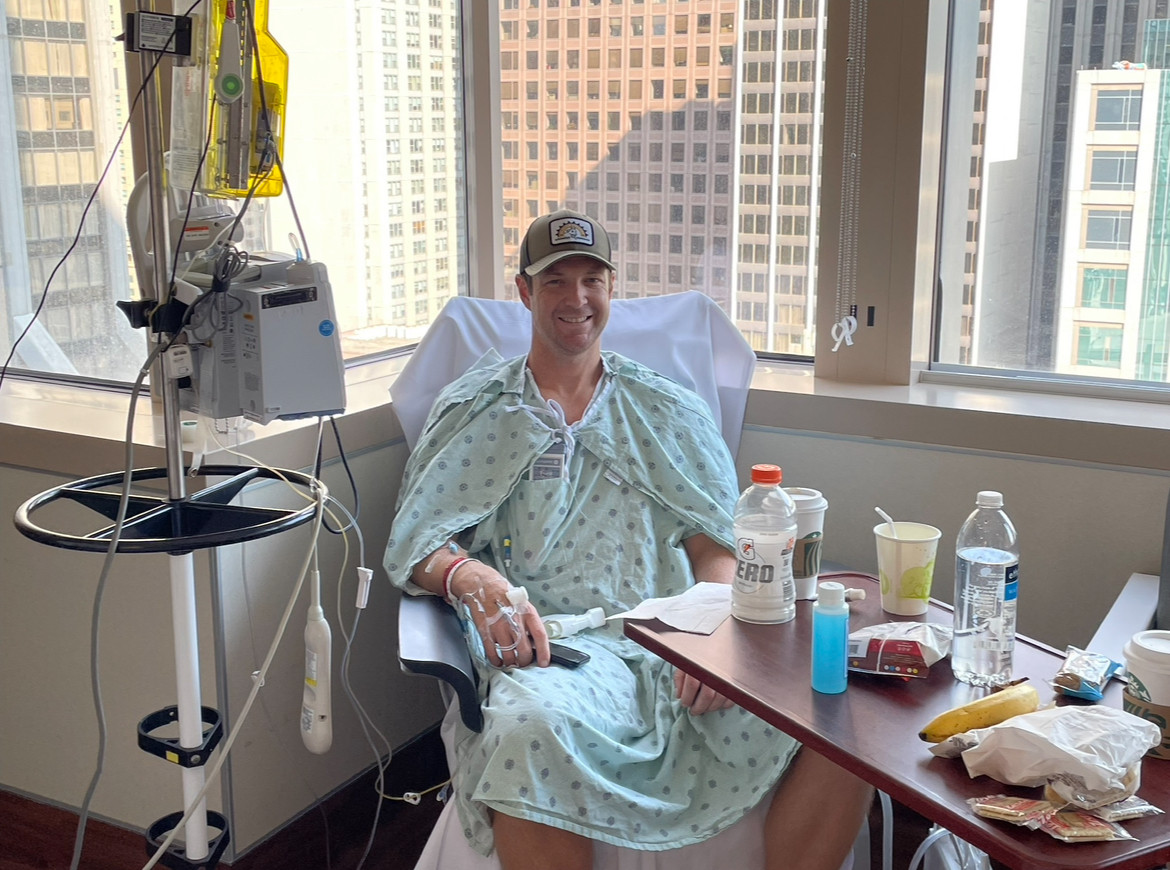
A non-smoker and endurance athlete gets a stunning diagnosis
For Kevin Humphrey, a 39-year-old endurance athlete and father of two from Traverse City, Michigan, lung cancer was the last thing on his mind.
In early 2024, while training for an Ironman triathlon, Humphrey developed a persistent cough, shortness of breath and back pain. Initially treated for pneumonia, his symptoms persisted for months.
Seeking a second opinion, he scheduled an appointment with Jessica Johnson, MD, a pulmonologist with the Canning Thoracic Institute at Northwestern Medicine McHenry Hospital, not far from where Humphrey’s parents live in Crystal Lake. To better understand what may be causing Humphrey’s symptoms, Dr. Johnson performed a robotic bronchoscopy in April 2024.
On May 1, 2024, Humphrey received a shocking diagnosis — stage 4 non-small cell adenocarcinoma, a form of lung cancer.
“I almost blacked out when I heard the words ‘lung cancer,’” Humphrey said. “I’ve never smoked a day in my life. It wasn’t even on my radar.”
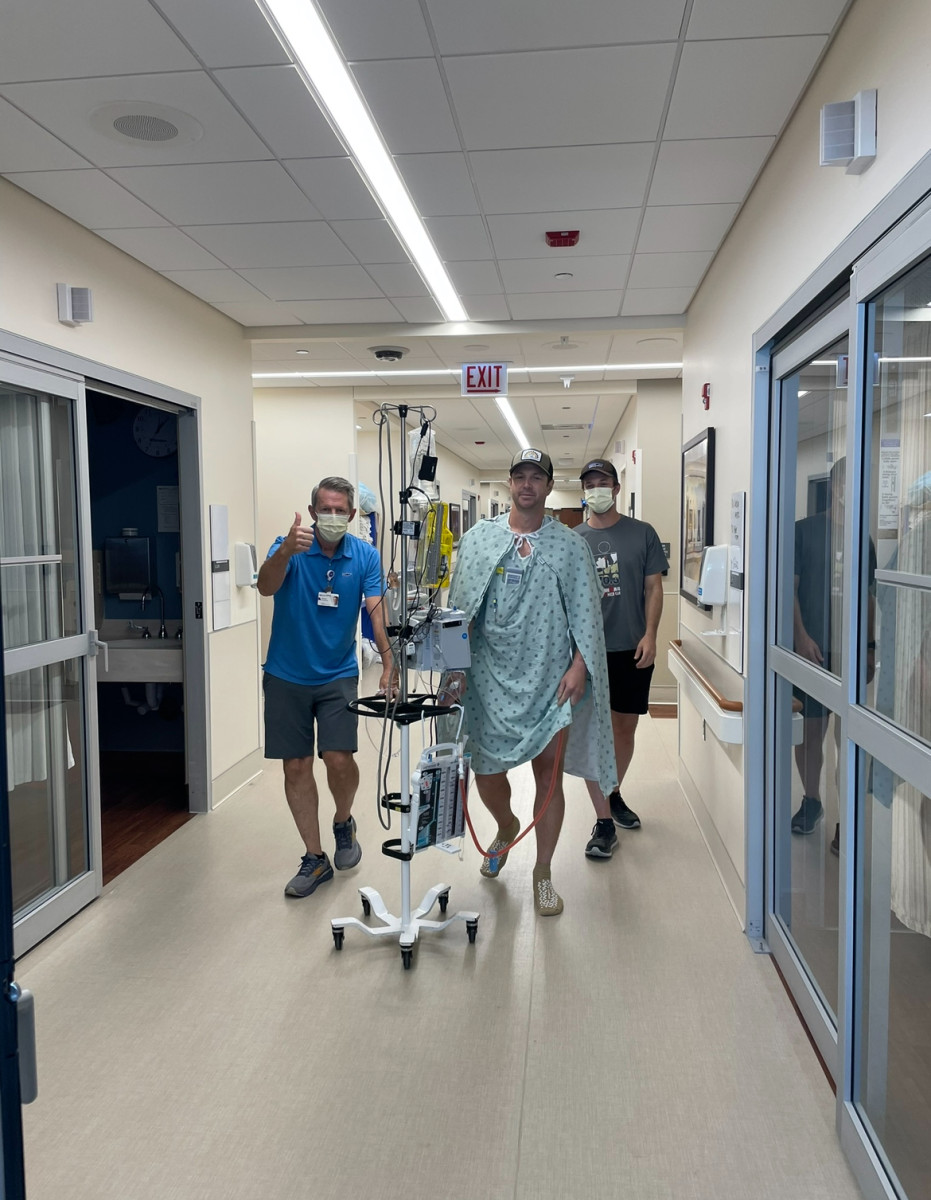
Developing a treatment plan
Further testing revealed Humphrey’s cancer carried an EGFR genetic mutation, enabling doctors to use a targeted therapy called Osimertinib, also known as Tagrisso. Prescribed in conjunction with chemotherapy, the treatments began shrinking the tumor that was in and around his left lung.
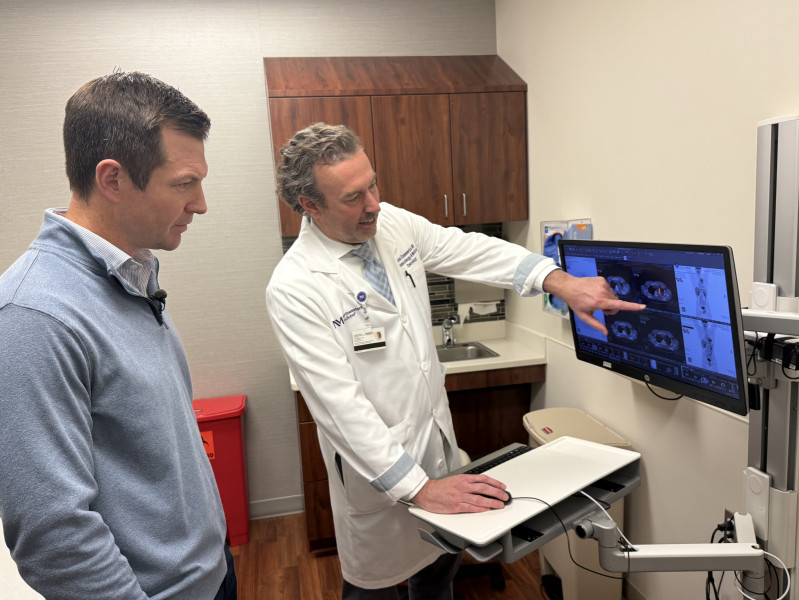
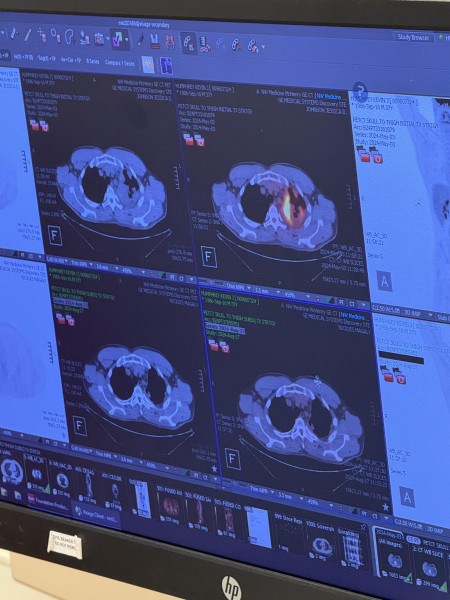
“We were able to shrink down the tumor considerably. When we looked at his scans, and because he's so young and robust, we thought that we may be able to go in and surgically remove the rest,” said Dr. Dammrich.
Dr. Dammrich referred Humphrey to Ankit Bharat, MD, chief of thoracic surgery and director of the Canning Thoracic Institute. The initial surgical plan involved removing Humphrey’s left lung.
“I think that was probably the second most shocking piece of it. The initial plan was to remove the entire left lung,” Humphrey said. “What I've loved doing for the last 10 years was endurance sports and running and biking. I had no idea if I'd be doing that ever again.”
Pivoting on the operating table
Imaging taken before the surgery showed the chemotherapy and targeted therapy had further shrunk the tumors, which led to a new surgical recommendation — removing the upper lobe of the left lung to allow Humphrey to maintain his quality of life.
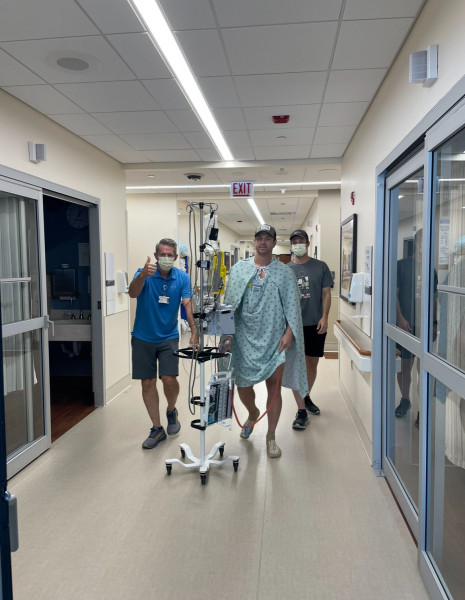
On September 13, 2024 at Northwestern Memorial Hospital, Dr. Bharat removed a large section of the upper lobe and a couple smaller cancerous sections.
It was a more complicated surgery than expected and it left Humphrey with a 20-inch incision on this back, but the surgery was successful.
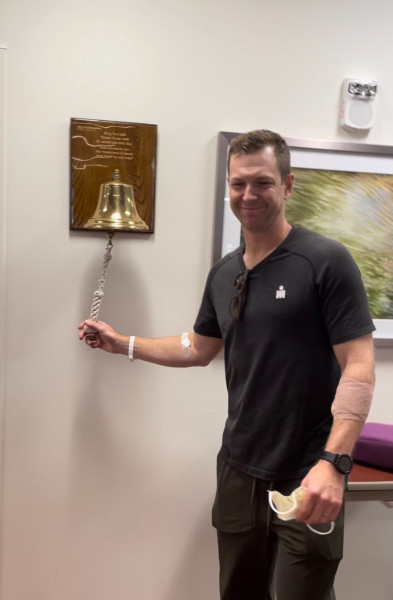
Today, Humphrey shows no evidence of disease and continues on targeted therapy.
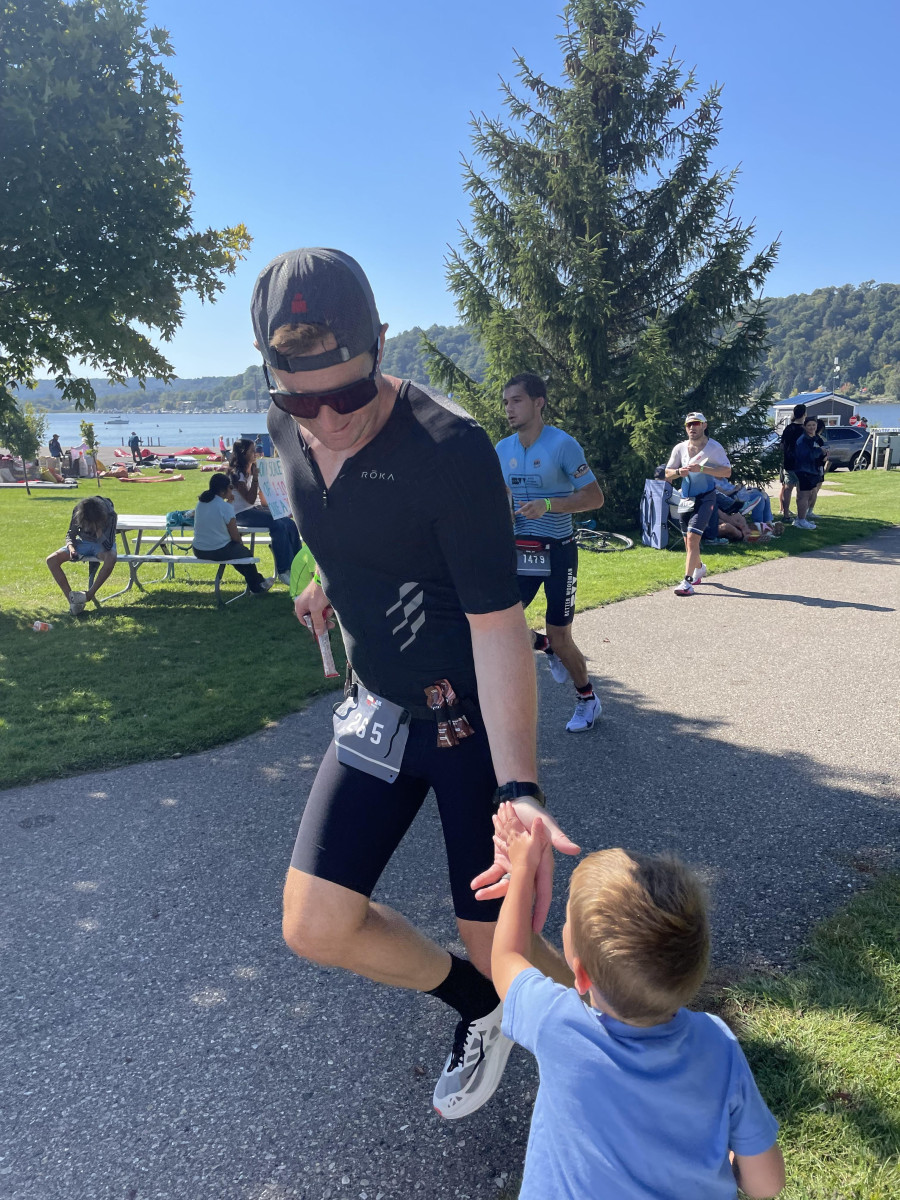
Determined to race again
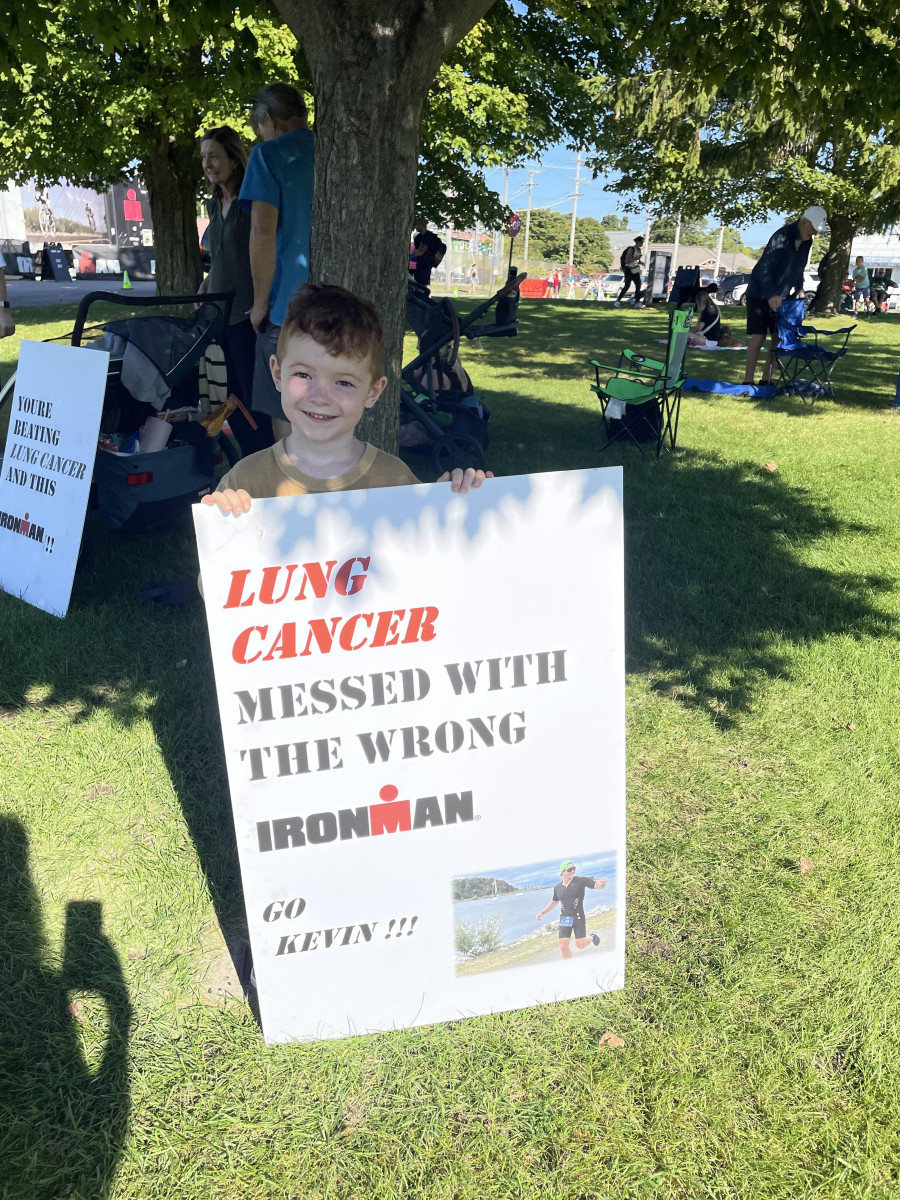
Despite losing lung capacity and enduring a grueling recovery, Humphrey set an ambitious goal: to complete an Ironman triathlon one year after surgery.
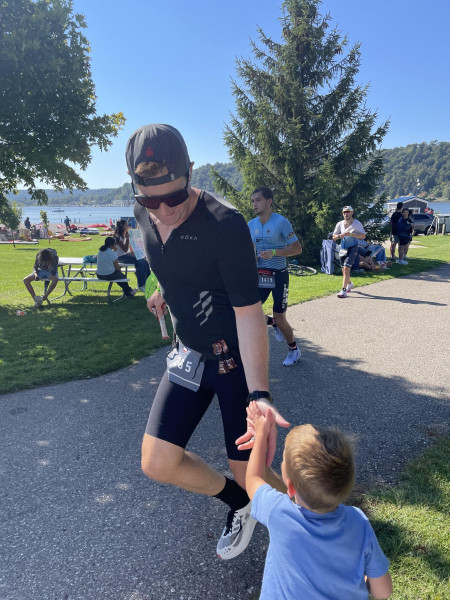
On September 14, 2025, he crossed the finish line not far from his Traverse City home at the Michigan Ironman 70.3. He completed the endurance event in 5 hours and 27 minutes — just one year and one day after his surgery.
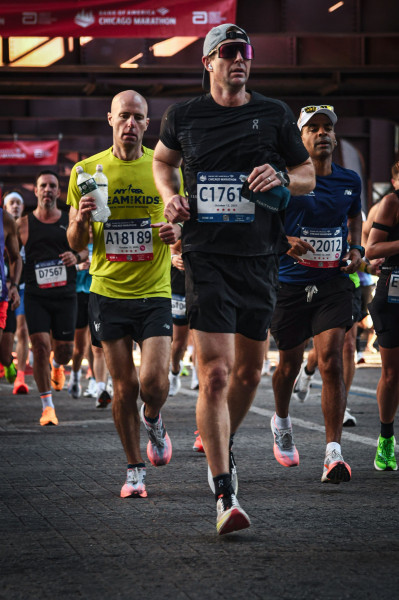
Several weeks later, on October 12, 2025, Humphrey ran the Chicago Marathon. While this was his 6th time completing the 26.2-mile course, it was the first time he ran the race without a portion of his left lung.
“I have two young boys,” he said. “I wanted to show them that life throws challenges at you, but you push through. Setting those goals gave me something to fight for every day.”
The rise in lung cancer among non-smokers
While smoking remains the leading risk factor, the rise in lung cancer among non-smokers is concerning.
Adenocarcinoma, the most common type in non-smokers, accounts for nearly 60% of cases in women and 45% in men. Experts cite air pollution, radon and genetic mutations as key drivers of this trend.
“Listen to your body. If you have a persistent cough or unexplained symptoms, seek care,” Dr. Dammrich said. “Early detection is critical — and with advances in targeted therapies, there is hope.”
Humphrey echoed that message: “Advocate for yourself. Push for answers. There’s hope with today’s treatments, but you have to catch it early.”
About Northwestern Medicine
Northwestern Medicine is committed to advancing cancer care through research, innovation and patient-centered treatment.
For more information on lung cancer screening and treatment options, visit nm.org.
Contact

|
Lauren Petty Manager, Media Relations Northwestern Medicine Health Network Central DuPage Hospital, Lake Forest Hospital, Palos Hospital, Delnor Hospital, Kishwaukee Hospital, Valley West Hospital, Marianjoy Rehabilitation Hospital, McHenry Hospital, Huntley Hospital, Woodstock Hospital, Proton Center |