

Concerned about future cognitive decline due to profound hearing loss, suburban Chicago woman, 73, turns to Northwestern Medicine for a cochlear implant
Physicians are seeing an interest in cochlear implants by older adults after studies have found a hearing deficit can lead to a faster rate of cognitive decline or dementia.
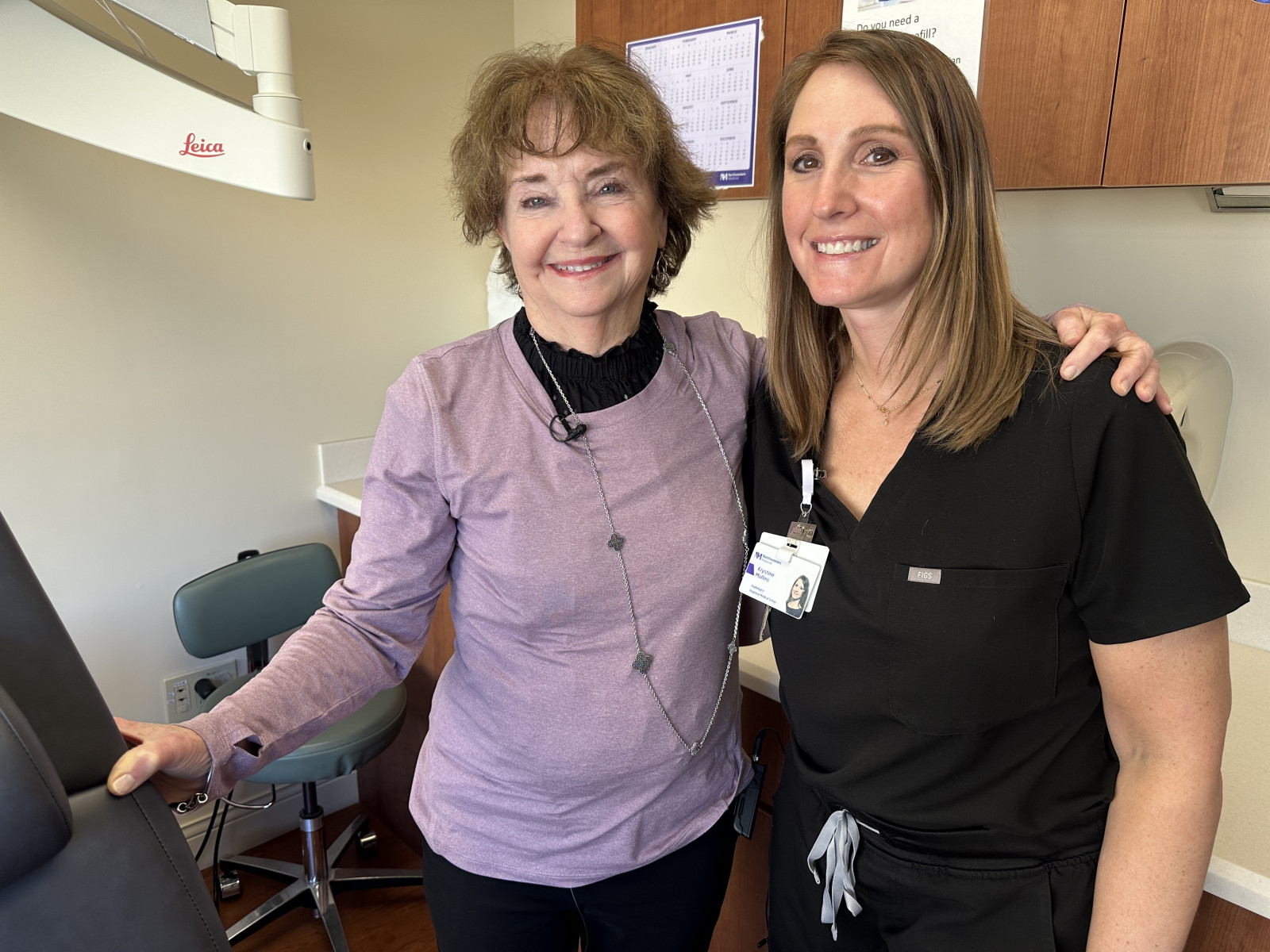
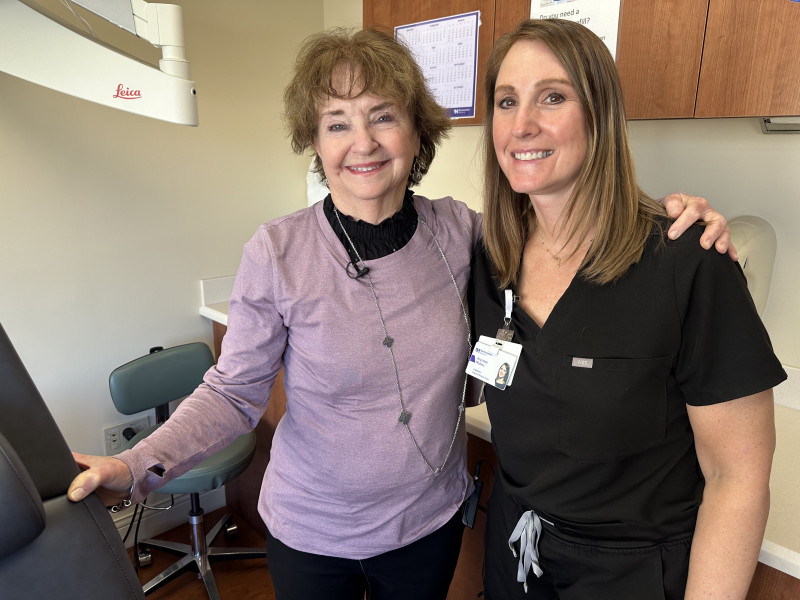
WINFIELD, Ill. – October 20, 2025 – Even with her bilateral hearing aids, Pamela King was having a hard time hearing. The 73-year-old’s hearing deficit created challenges in social situations. As the populations ages, demand for cochlear implants is growing with older adults, like King, who no longer benefit from hearing aids and are learning about the link between hearing deficit and faster cognitive decline.
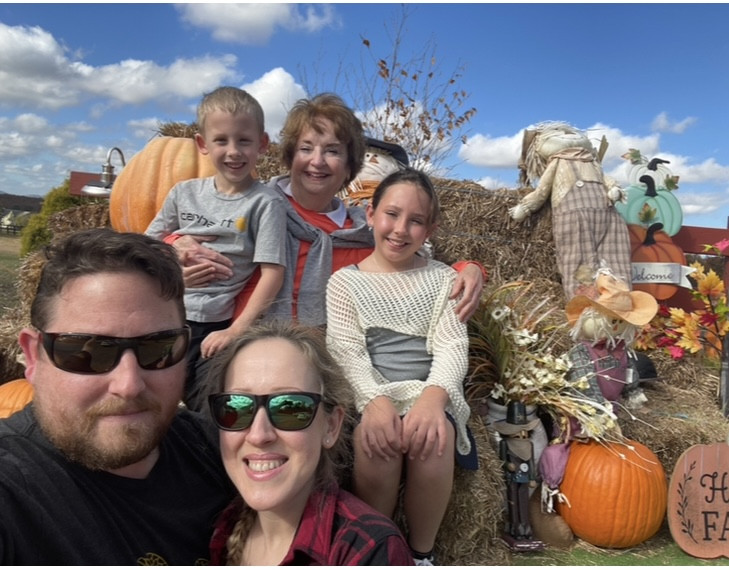
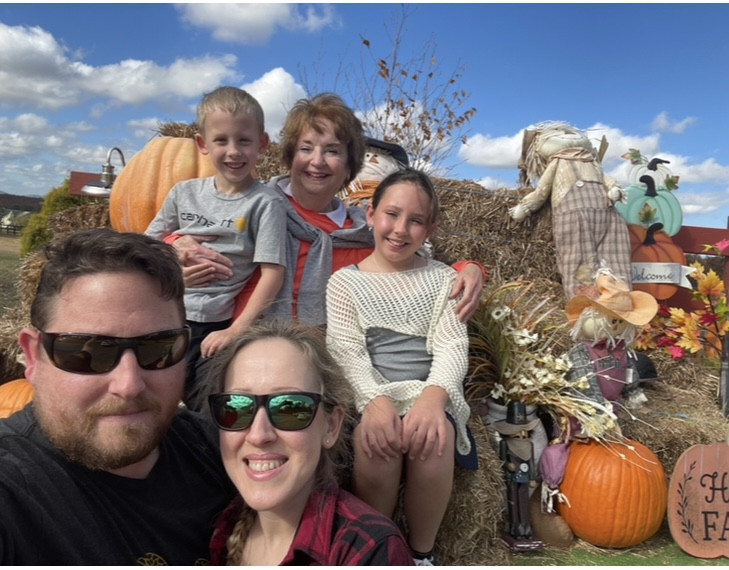
“My nephews visited in the fall of 2024 and that’s when I became profoundly aware of my hearing loss. It was so exciting to visit with them and their families, but I had to so strain to hear them, to understand them, and it was quite depleting,” King said.
In December 2024, King went in for her annual hearing test at Northwestern Medicine and her suspicions were confirmed.
“As I anticipated based on my experience with family and other interactions, my hearing test results reflected a hearing decline. The physician assistant recommended that I consider a cochlear implant consultation,” King said. “At that time, I was unfamiliar with cochlear implant surgery.”
How cochlear implants work
A cochlear implant is a surgically implanted electronic device that helps individuals with severe to profound hearing loss hear sounds.
“The way the implant works is we're putting electrodes in your inner ear to replace the hearing cells that are missing. Where hearing aid makes things louder, a cochlear implant makes things a little bit more clearer sounding,” said Krystine Mullins, AuD, an audiologist at Northwestern Medicine Central DuPage Hospital.
To be considered for a cochlear implant, a patient must have moderate to profound hearing loss in at least one ear. While commonly considered a tool for pediatric patients and young adults, Dr. Mullins says that all ages, including senior citizens, can potentially benefit from cochlear implants.
“We first want to make sure that hearing aids don't work for you, then the next step would be a cochlear implant,” Dr. Mullins said. “In our practice, we see anywhere from about 15, 16-year-olds to 100 years old. As long as you're healthy enough to go through a surgery, you’re a candidate for a cochlear implant.”
The link between hearing loss and cognitive decline
While King was considering cochlear implantation, she had an unrelated appointment with Kuljeet Gill, MD, a Northwestern Medicine pulmonologist who specializes in sleep medicine. King mentioned to Dr. Gill that she was considering the outpatient surgery.
“She said, ‘I’m thrilled for you,’ and I was taken aback a little bit,” King said.
“I am very excited when my patients want to address their profound hearing loss through hearing aids or cochlear implants because there’s a correlation, according to studies, that a hearing deficit can translate into a faster rate of cognitive decline,” Dr. Gill said.
One 2023 study found that treating hearing loss may be a safe way to lower the risk of dementia in vulnerable populations.
“It is a big concern for a lot of people. A lot of people are coming in with those concerns to help optimize their hearing and help slow down the progression of dementia or cognitive decline,” Dr. Mullins said.

Improved hearing with the implant
In April 2025, Richard M. Wiet, MD, performed the cochlear implant surgery at Northwestern Medicine Delnor Hospital. King went home the same day.
“My printed ‘After Visit’ summary detailed what my activity and exercise restrictions were, pain medications, when I could wash my hair, when I could bathe, etc. It was very, very detailed, and it addressed everything that I needed,” King said. “Other than taking some Tylenol, I didn't take any of the pain meds and I've done very well.”
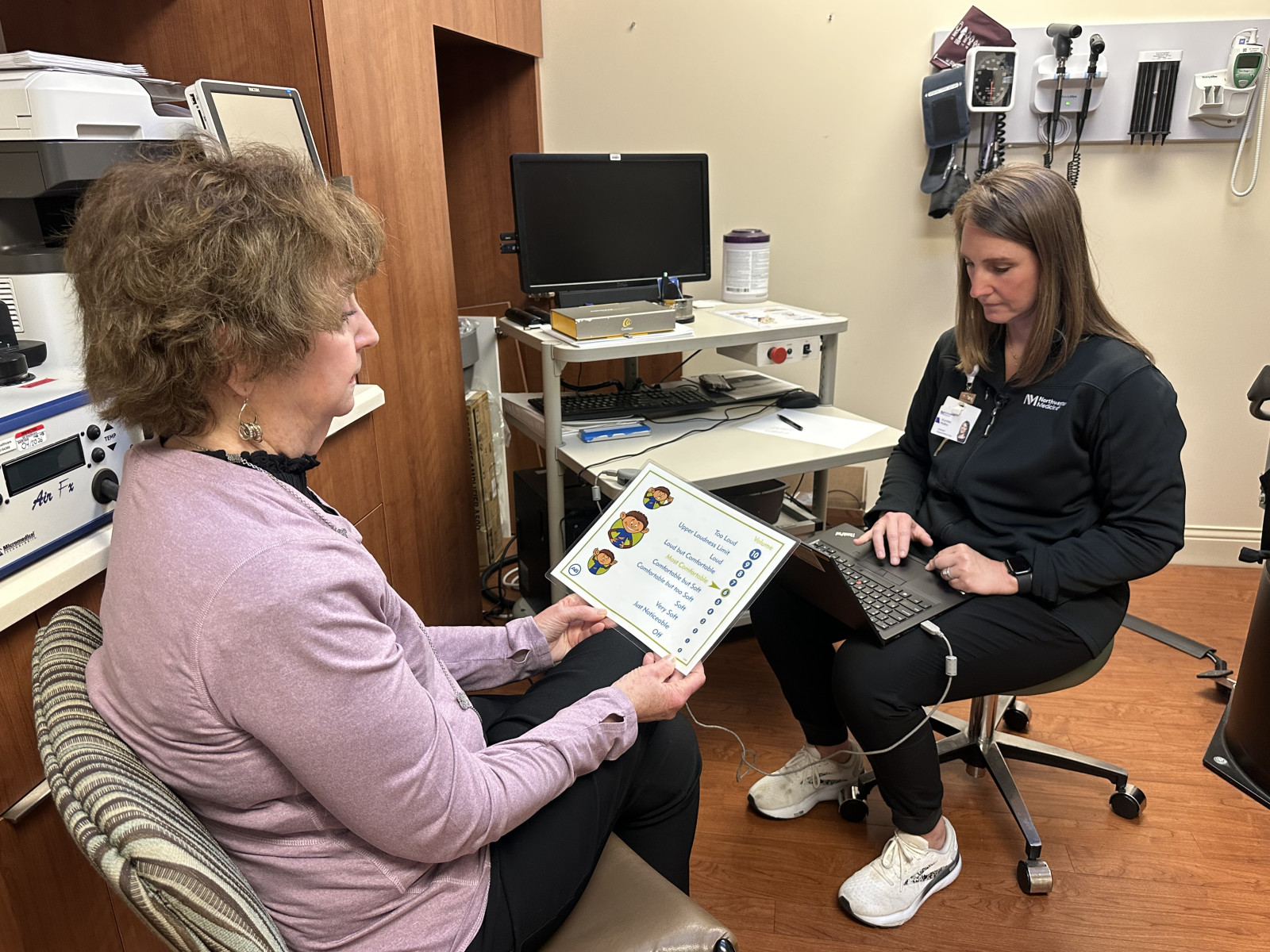
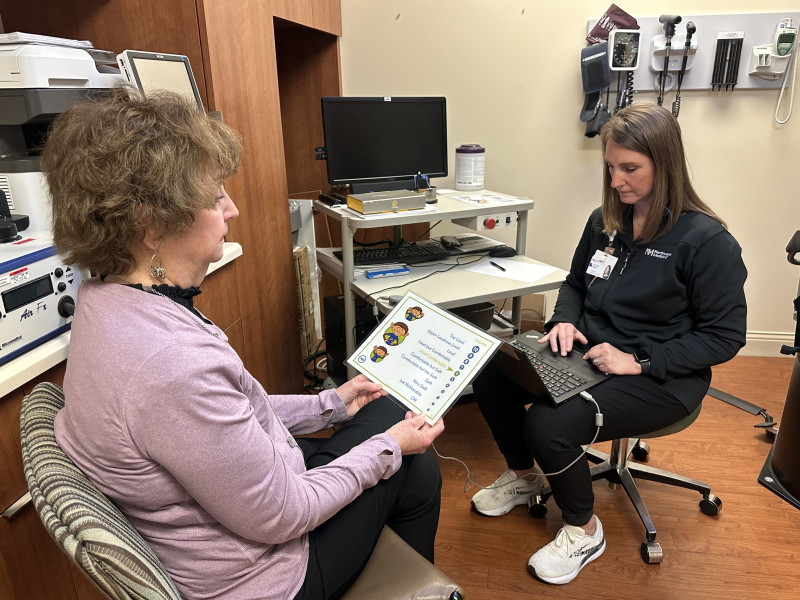
Three weeks post-surgery, King went to an appointment with Dr. Mullins to activate the implant, essentially turning on the device. At that moment, she was instantly moved to tears.
“A lot of times you don't realize what you're missing. I'm hearing sounds I haven't heard in probably years, and it's pretty remarkable,’ said King. “Hearing deficit touches really every aspect of your life, and this is going to make a significant difference. I'm really excited about it.”
Northwestern Medicine offers comprehensive care for individuals experiencing hearing loss, including hearing testing, hearing aid evaluation and cochlear implant consults and procedures. For more information about what makes someone a candidate for a cochlear implant, visit nm.org.




Contact

|
Lauren Petty Manager, Media Relations Northwestern Medicine Health Network Central DuPage Hospital, Lake Forest Hospital, Palos Hospital, Delnor Hospital, Kishwaukee Hospital, Valley West Hospital, Marianjoy Rehabilitation Hospital, McHenry Hospital, Huntley Hospital, Woodstock Hospital, Proton Center |