

After Beating a Rare and Aggressive Cancer Twice, Retired Nurse Credits Northwestern Medicine for Helping Her Return to Life in Remission
After a life-threatening recurrence of angiosarcoma in her lung, Regina Henneman achieved remission again through a personalized plan that included immunotherapy and radiation
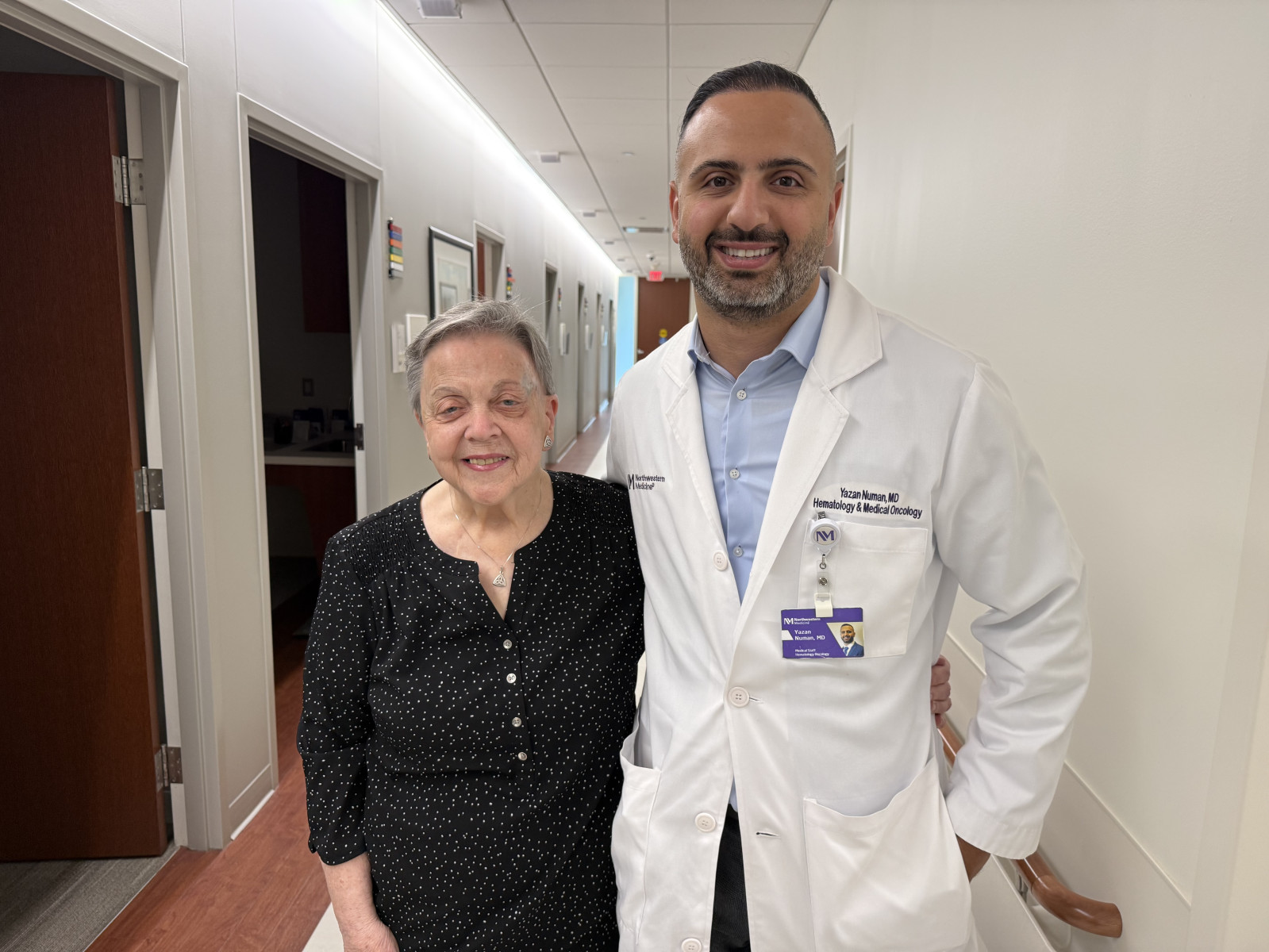
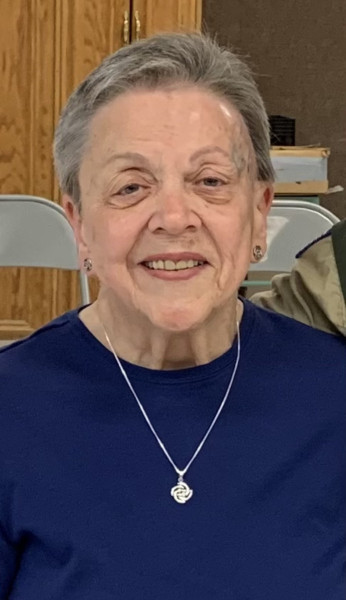
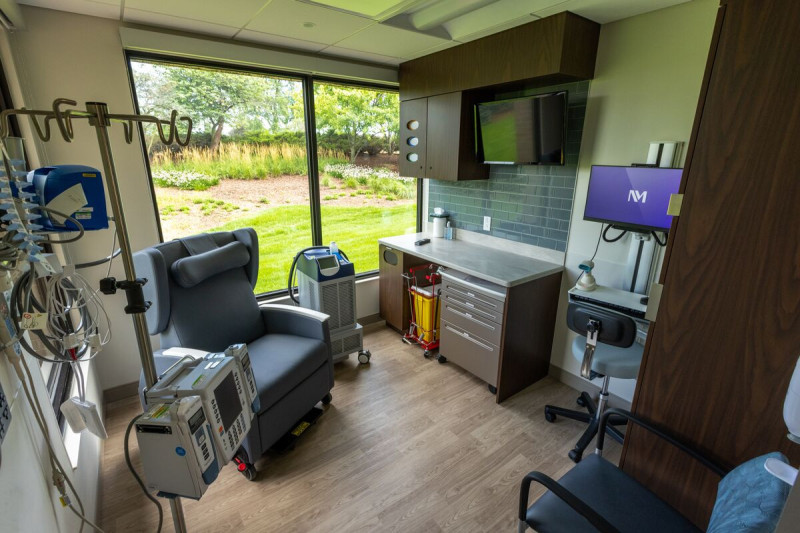
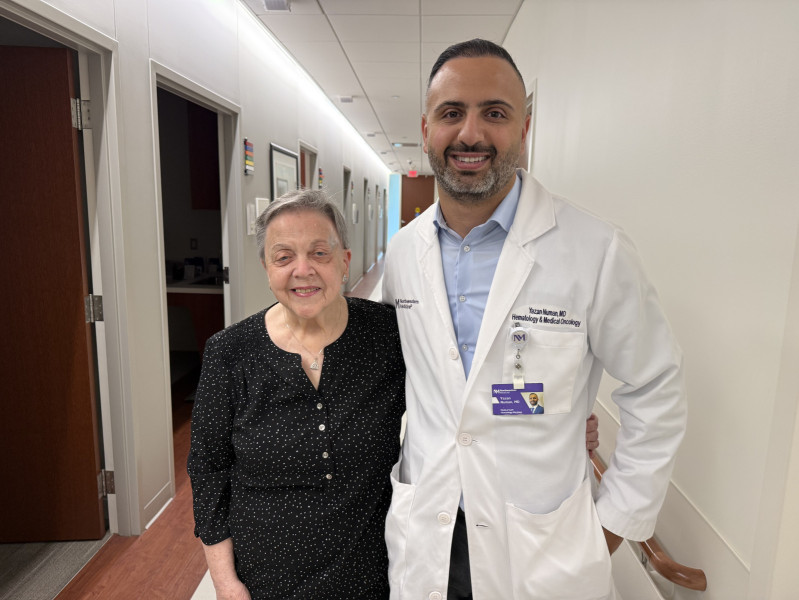
Palos Heights, Illinois — August 10, 2026 — After a rare and aggressive cancer returned more than a decade after her original diagnosis, Regina Henneman is back in remission thanks to a personalized treatment approach at the Northwestern Medicine St. George Cancer Institute in Orland Park that combined immunotherapy, radiation therapy and multidisciplinary expertise.
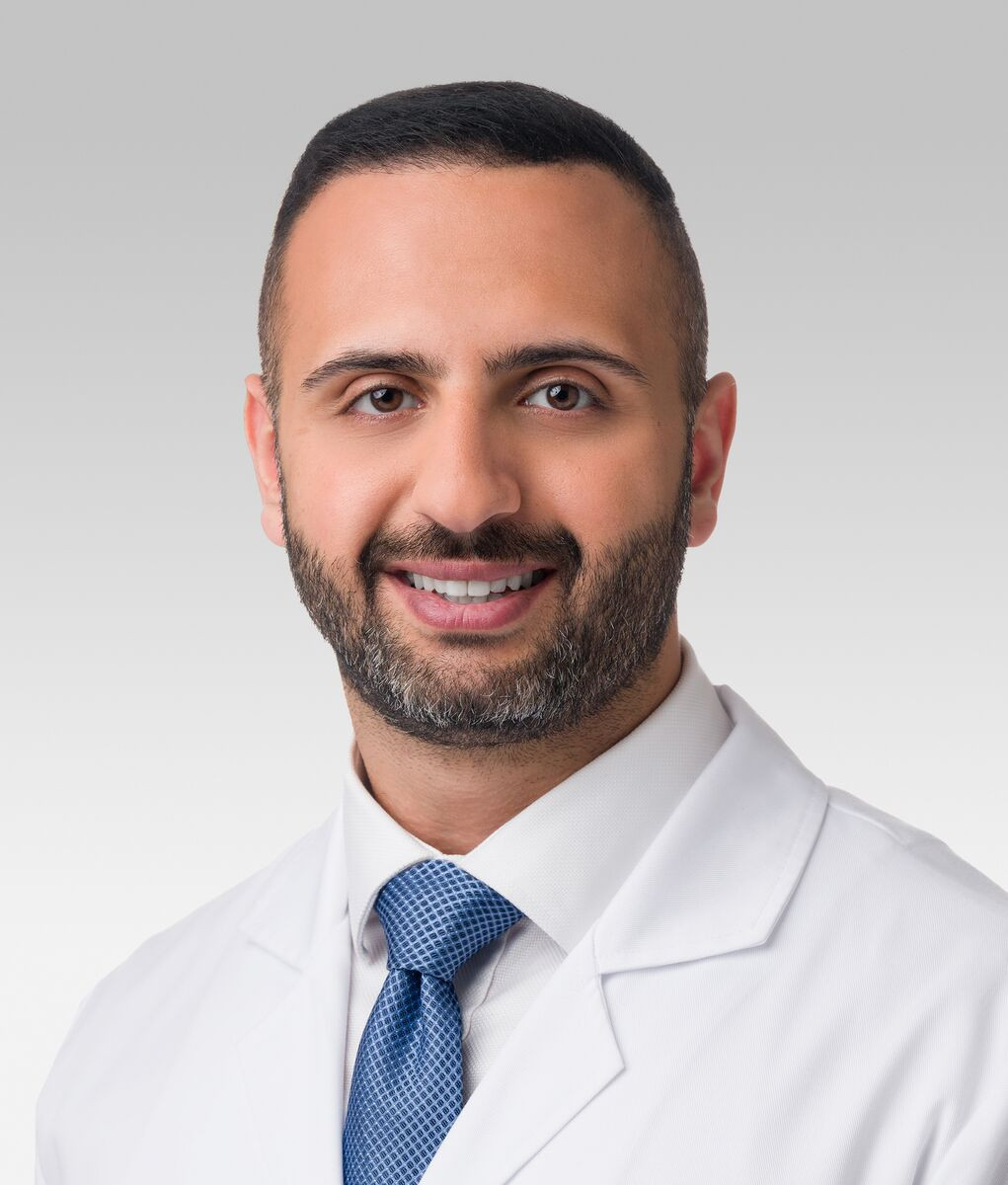
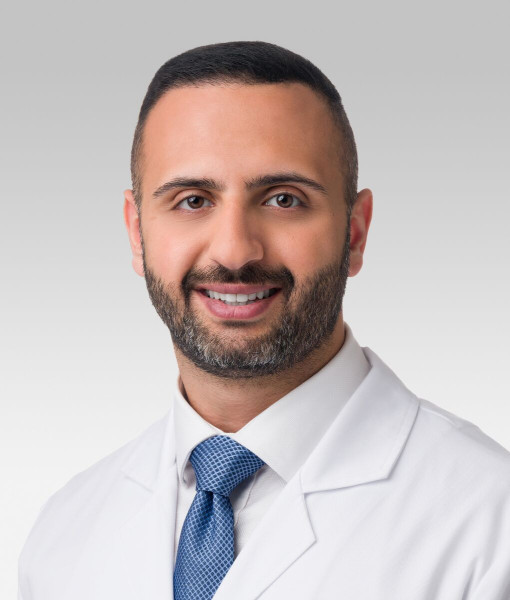
“Regina's journey is remarkable not only because of how rare her cancer is, but because of her resilience throughout years of treatment and surveillance,” said Yazan Numan, MD, a medical oncologist at the Northwestern Medicine St. George Cancer Institute who cares for Henneman.
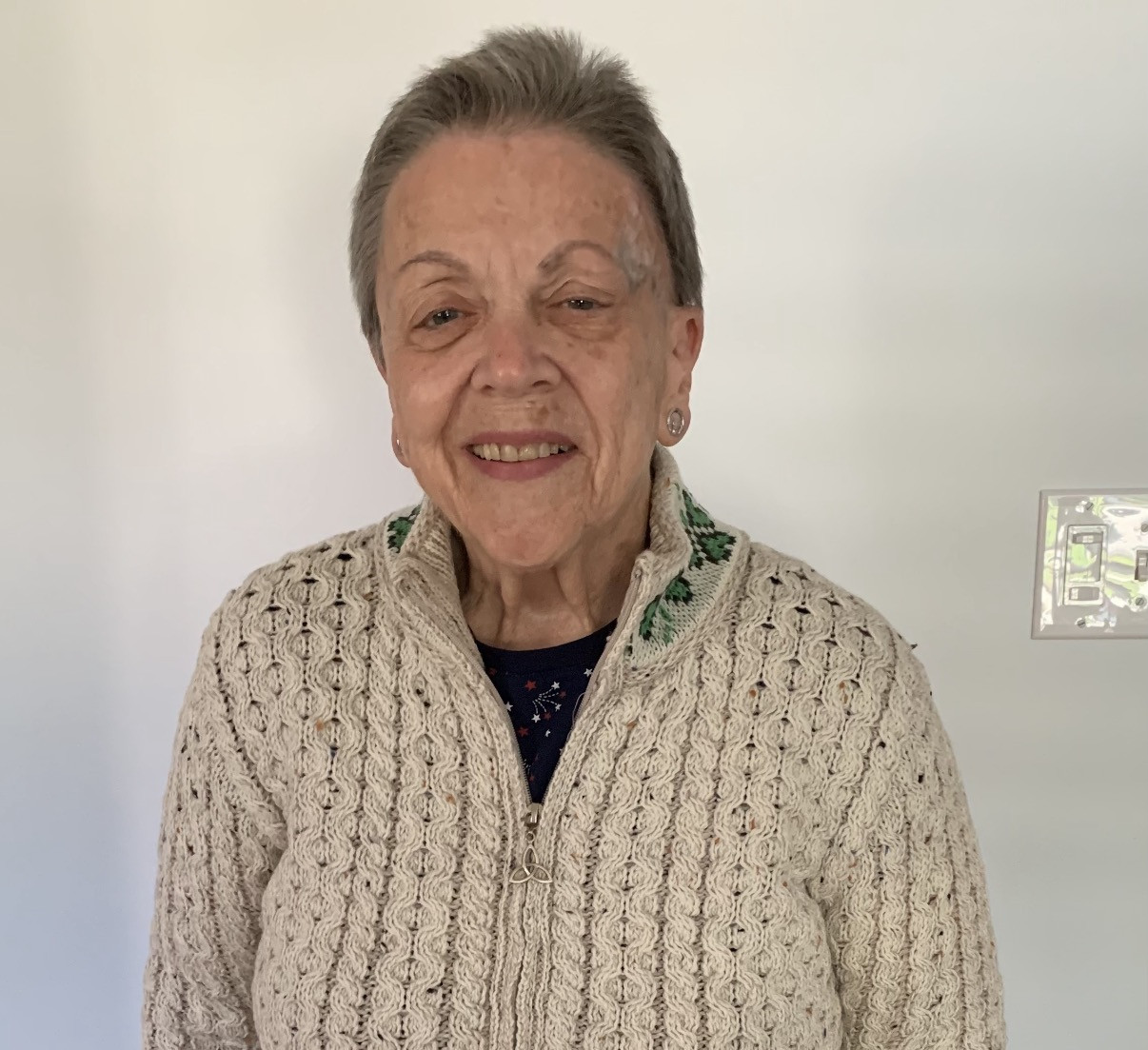
When Henneman, 83, first noticed bruising near her temple in 2009, she had no idea it would mark the beginning of a 15-year battle with one of the rarest cancers in the world.
At the time of diagnosis, Henneman was working as a registered nurse at a hospital in one of Chicago’s south suburbs. What was initially believed to be a hematoma turned out to be angiosarcoma, a rare cancer that develops in the lining of blood vessels.
“As a registered nurse, I had never heard of angiosarcoma before,” Henneman said. “I went into the office full of nurses and no one had heard of it. I went to the medical library and looked it up.”
Understanding Angiosarcoma
Sarcoma is an exceptionally rare type of cancer, originating in the body’s soft tissues, including bone, muscle, fat and nerves. Sarcomas account for less than one percent of all new cancer diagnoses in adults each year.
Angiosarcoma, which is one type of sarcoma, develops in the cells linking blood vessels and lymph vessels. Angiosarcoma is even more rare, with only one person per million being diagnosed with the disease in the U.S. each year. The disease is so uncommon that many healthcare professionals will never encounter a case during their careers.
“Proper diagnosis and treatment of angiosarcoma can be especially challenging,” Dr. Numan said. “At a comprehensive cancer center, patients have access to specialists who understand the nuances of this rare disease, along with advanced diagnostic tools, innovative treatment options and clinical research opportunities that may not be available elsewhere. For patients facing an uncommon cancer, that level of specialized care can be invaluable.”
The disease often requires care from a multidisciplinary team that may include surgeons, medical oncologists, radiation oncologists, pathologists and radiologists. Long-term surveillance is also critical because recurrence can occur years after initial treatment.
Over the next several years, Henneman underwent six surgeries, radiation therapy, as well as chemotherapy infusions at multiple institutions, as physicians worked to control the disease.
“I had multiple Taxol, also known as paclitaxel, infusions which were physically debilitating, but it saved me because I had no active cancer until 2025,” Henneman said.
Northwestern Medicine Takes on a Dangerous Recurrence
After moving to Mokena several years ago, Henneman established care with Dr. Numan at Northwestern Medicine St. George Cancer Institute in Orland Park following a recommendation from her primary care physician.
For years, surveillance scans showed no evidence of disease. In 2025, she developed a recurrence in her right lung after several episodes of coughing up blood. Due to Henneman experiencing significant complications from chemotherapy in the past, her care team explored immunotherapy treatments.
"Historically, treatment options for angiosarcoma have been limited, particularly for patients who may not tolerate chemotherapy well,” Dr. Numan said. “Emerging research suggests that immunotherapy may benefit some patients with this disease, and Regina's case demonstrates the potential of this approach.”
Northwestern Medicine physicians collaborated across specialties to evaluate the treatment approach and worked with her insurance provider to secure approval. Henneman began treatment with pembrolizumab, also known as Keytruda, along with radiation therapy in 2025.
“Keytruda is so much better than the chemotherapy,” Henneman said. “I had zero side effects.” Today, her scans show no evidence of disease, and she continues receiving immunotherapy while remaining under close surveillance.
“Every patient's situation is unique, and optimal care depends on collaboration,” Dr. Numan said. “By bringing together experts from multiple disciplines, we can evaluate every available option and develop a coordinated treatment plan tailored to each patient's needs. Regina's outcome reflects the value of that team-based approach.”
Now back to living an active life and spending time with her family, Henneman hopes her story offers encouragement to others facing a rare cancer diagnosis.
“I would like to help anyone through this because many patients are told angiosarcoma is deadly and it doesn’t have to be,” Henneman said. “If I can help one person in the world, I want to do this.”
Contact

|
Lauren Petty Manager, Media Relations Northwestern Medicine Health Network Central DuPage Hospital, Lake Forest Hospital, Palos Hospital, Delnor Hospital, Kishwaukee Hospital, Valley West Hospital, Marianjoy Rehabilitation Hospital, McHenry Hospital, Huntley Hospital, Woodstock Hospital, Proton Center |