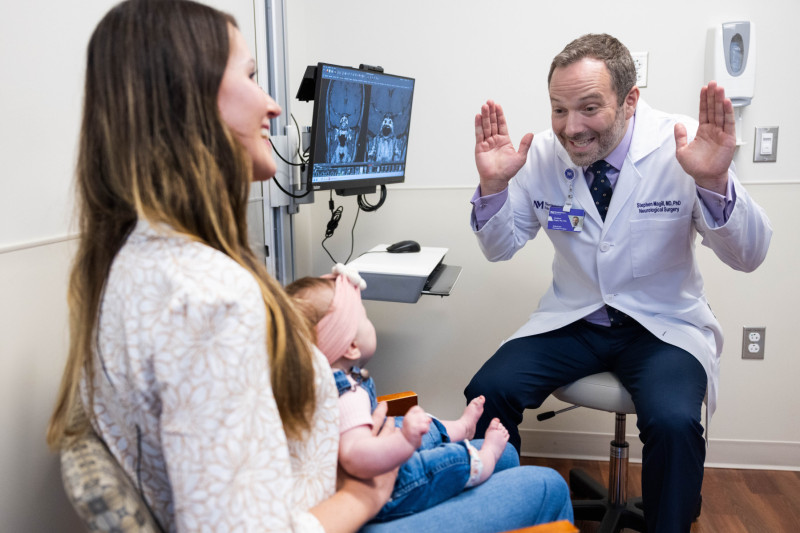
After a tumor disrupts an Illinois woman’s fertility, brain surgery helps her get pregnant
Northwestern Medicine neurosurgeon Stephen Magill, MD, PhD, helps a 32-year-old mother welcome a second child following postpartum hormonal issues
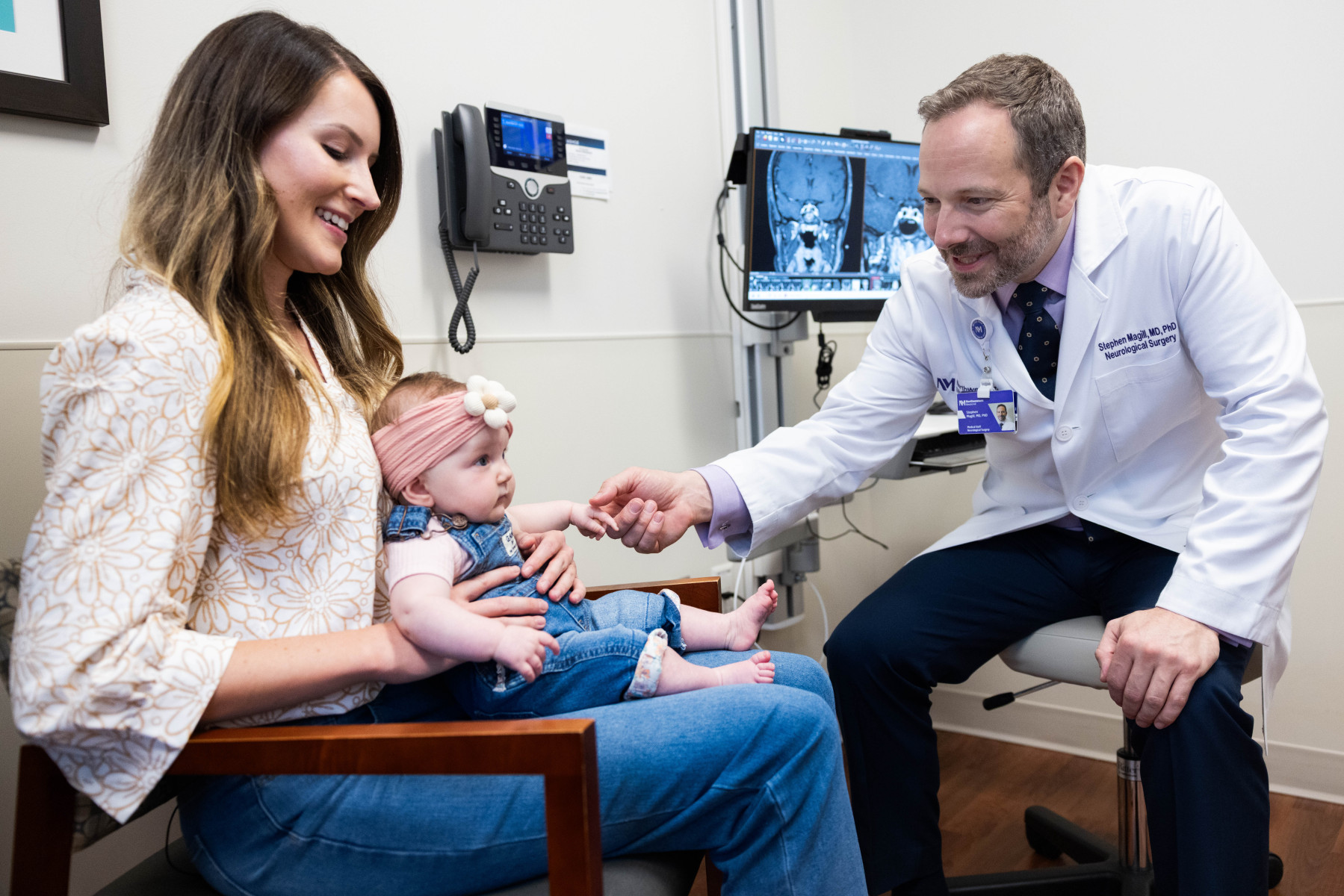
CHICAGO - June 1, 2026 - After Lisa Fasone had her first child in 2022, she knew she eventually wanted to have a second. But following the birth of her first daughter, Fasone started experiencing postpartum hormonal issues. She had persistent symptoms, including night sweats, continued lactation, no menstrual cycle and infertility while trying to conceive.
Bloodwork revealed her prolactin – the hormone produced by the pituitary gland that stimulates lactation and influences fertility – levels were elevated. Medication to reduce her prolactin levels worked at first, and her hormone levels went back to normal. But over time, her symptoms returned and stopped responding to the medication. Bloodwork continued to show elevated prolactin levels, and by winter 2023, her symptoms had not normalized.
An initial MRI was inconclusive and Vijay Eranki, MD, an endocrinologist at Northwestern Medicine Huntley Hospital, suspected the 32-year-old from McHenry, Ill., may have a pituitary tumor that was not being picked up by imaging.
“The medication isn’t well studied for pregnancy,” said Fasone, a urology physician assistant in the Chicagoland area. “I just didn’t feel comfortable trying to have a baby without good data to suggest it was safe. If you get pregnant, you must stop the medication right away because there’s no data to suggest it’s safe and if you stop taking the medication, there’s a chance the tumor could get worse. I was not comfortable accepting that risk."
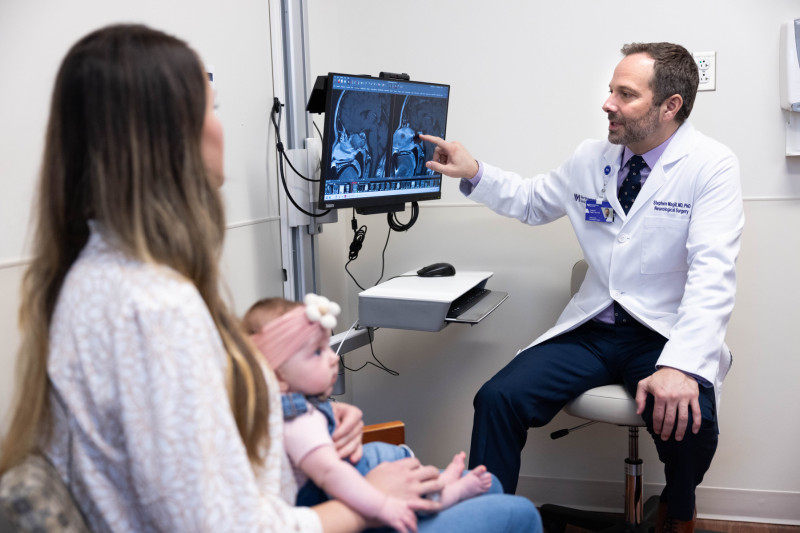
After the medication stopped working, a repeat MRI found a visible tumor on her pituitary gland, located at the base of the brain, which is known as a prolactinoma. The tumor was causing her pituitary gland to make too much prolactin. While prolactinoma is not life-threatening and is the most common pituitary tumor, it can make it extremely difficult to become pregnant since it lowers the body’s levels of the sex hormones estrogen and testosterone. The condition is seen more commonly in women than men.
Medication is the first treatment for prolactinoma, but after exhausting all conservative treatments, Fasone’s only other option was surgery to remove the tumor.
“I had to make a decision,” Fasone said. “Do I continue increasing the dosage of this medication that’s not making me feel great and doesn’t seem to be working, or am I going to face the issue and have it surgically addressed?”
Doctor Eranki and Northwestern Medicine endocrinologist Wenyu Huang, MD, PhD, – who specializes in pituitary disorders - referred her to Northwestern Medicine neurosurgeon Stephen Magill, MD, PhD, to have the tumor surgically removed.
“While removing a tumor on the pituitary gland is a common operation, removing one for a prolactinoma, like Lisa’s case, is less common,” Dr. Magill said. “We knew she really wanted to have another baby. We carefully counseled Lisa on the risks and benefits of the procedure, what the surgery would entail and what the expected outcome would be. We were hopeful her hormone levels would return to normal, and she would be able to have a child safely without having to be on medical therapy.”
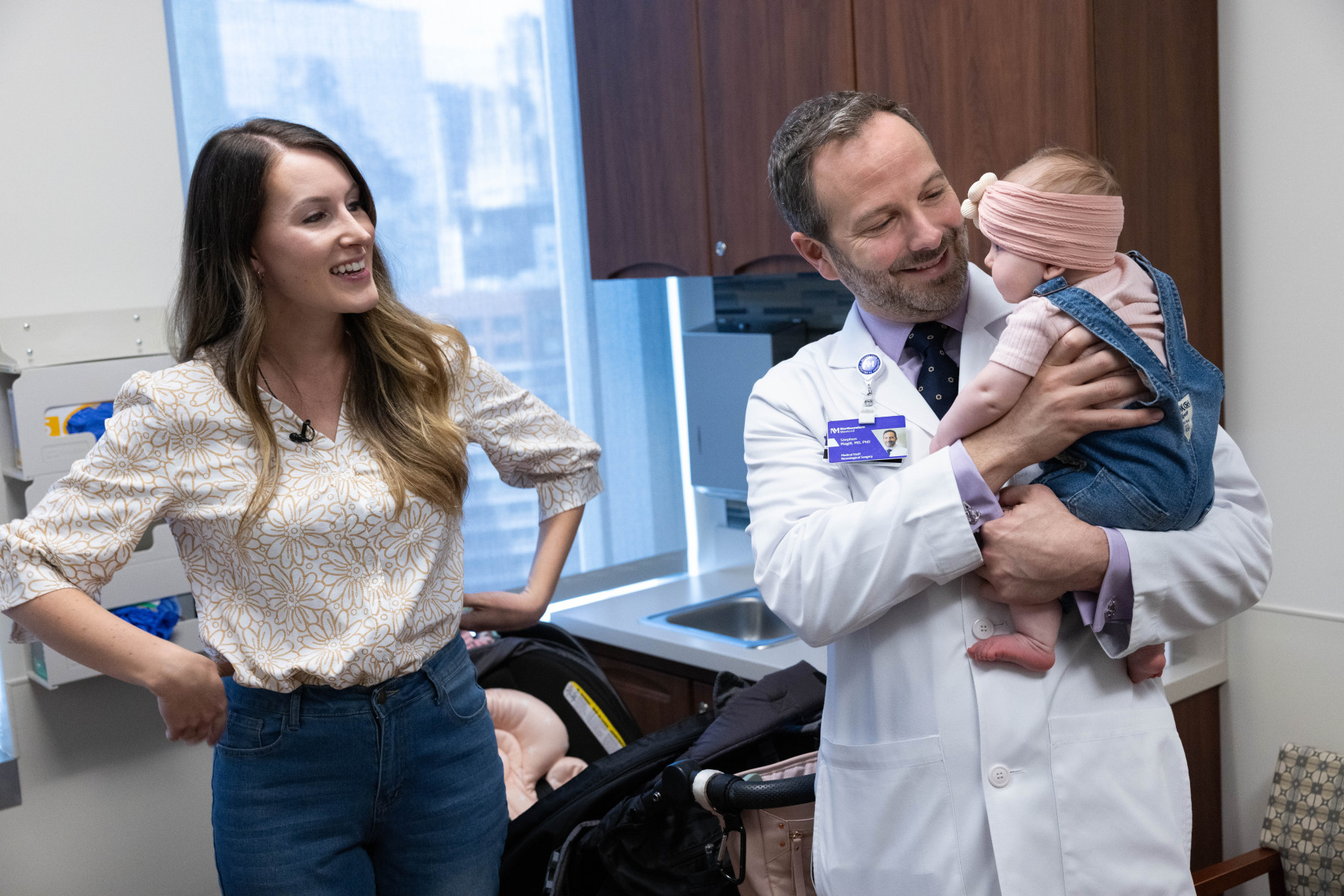
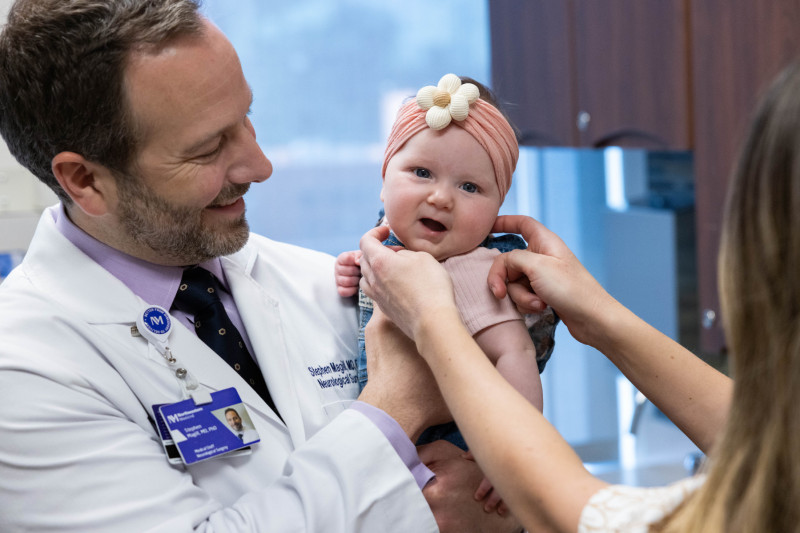
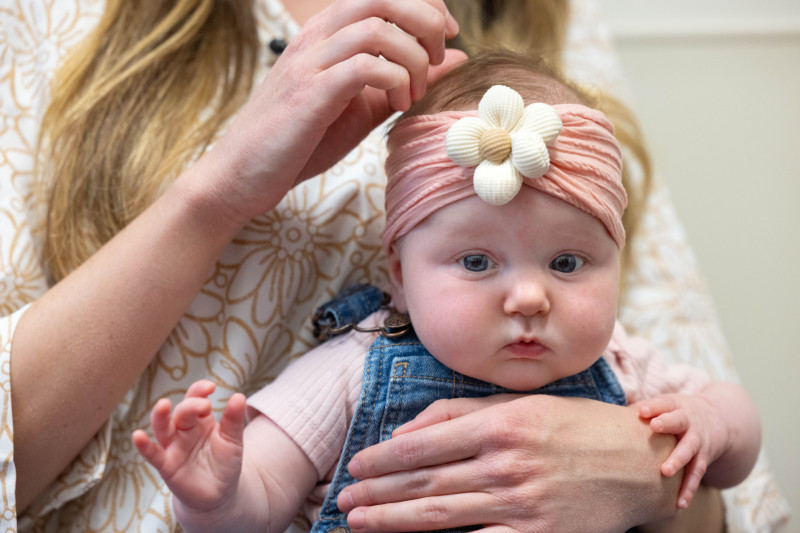
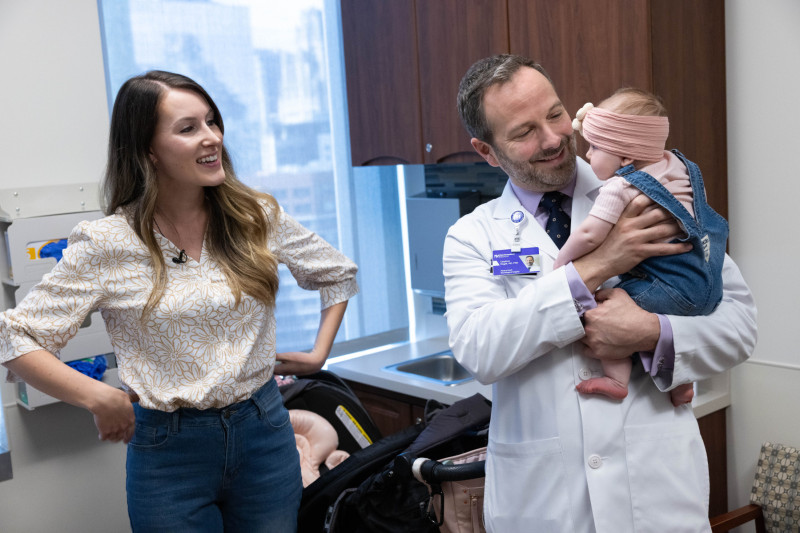
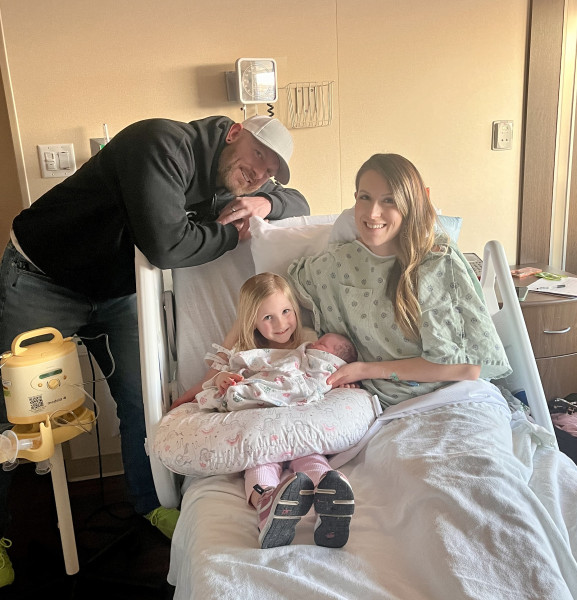
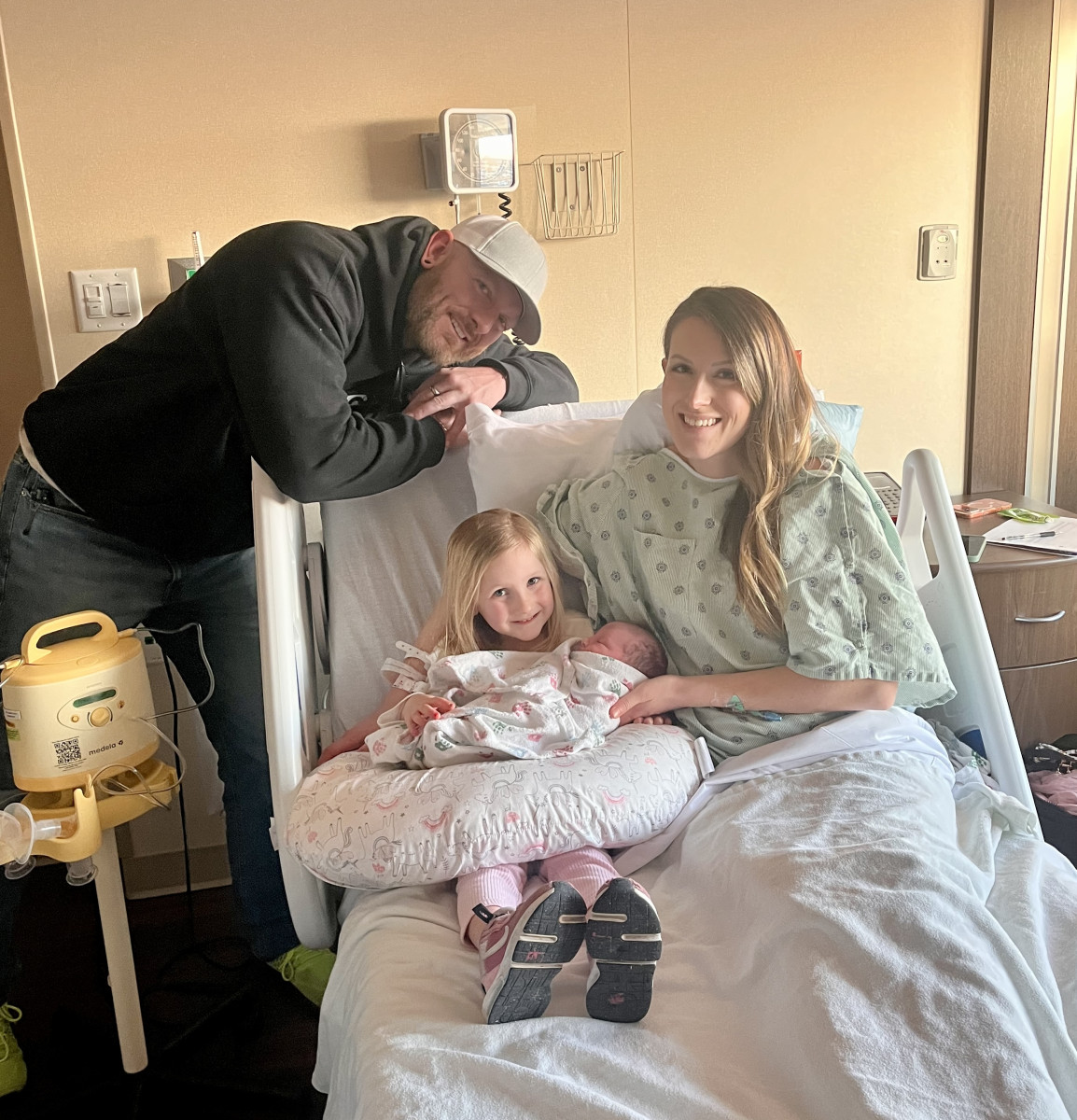
On April 14, 2025, Fasone underwent brain surgery with Dr. Magill to remove the tumor and Northwestern Medicine otolaryngologist Kevin Welch, MD, who helped gain access to Fasone’s brain through her nose. A few weeks later, she got her menstrual cycle back and discovered she was pregnant. Her daughter, Natalie, was born on February 11 and is a happy, healthy baby. Fasone will continue to receive imaging every six to 12 months to make sure the tumor has not recurred.
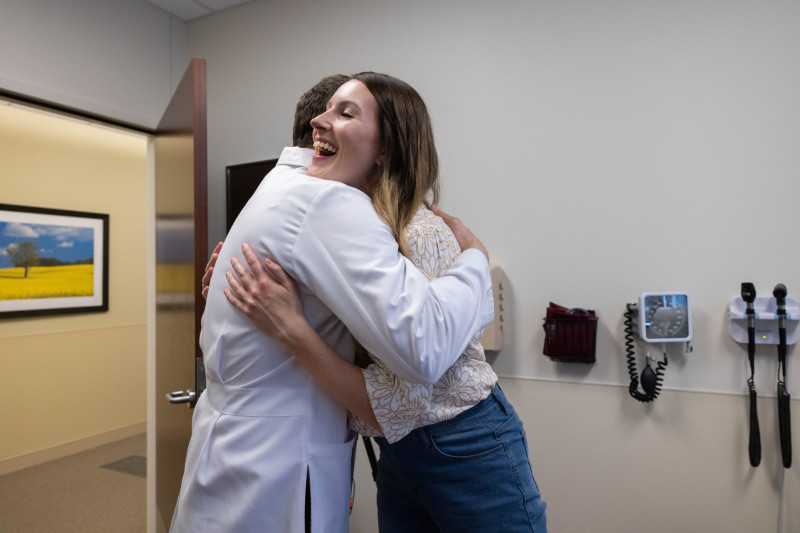
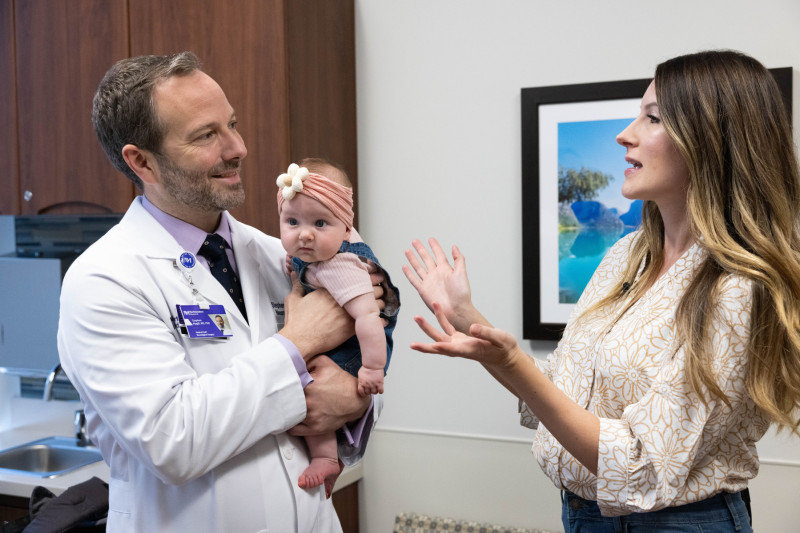
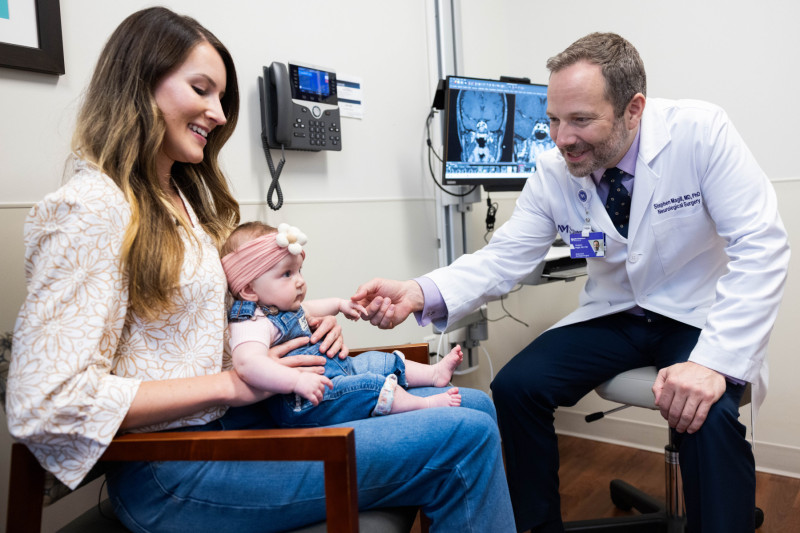
“Dr. Magill really gave me my life back,” Fasone said. “I was able to get off the medication, my body returned to normal, and I was able to complete my family. I recently introduced Dr. Magill to my daughter, and that was such an emotional moment – one I certainly won’t forget.”
June is World Infertility Awareness Month, a time dedicated to raising awareness and educating the public that infertility affects approximately 1 in 6 people worldwide. To learn more about fertility and reproductive medicine at Northwestern Medicine, visit nm.org.